

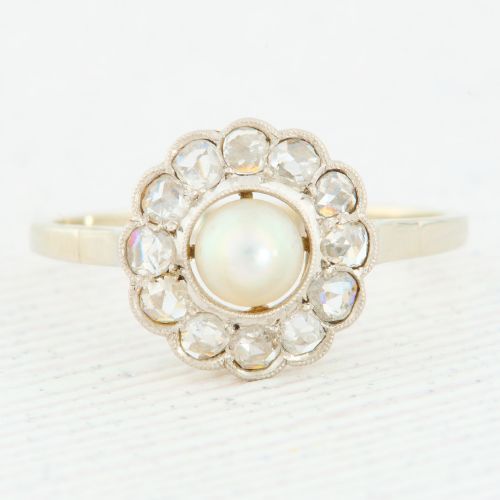
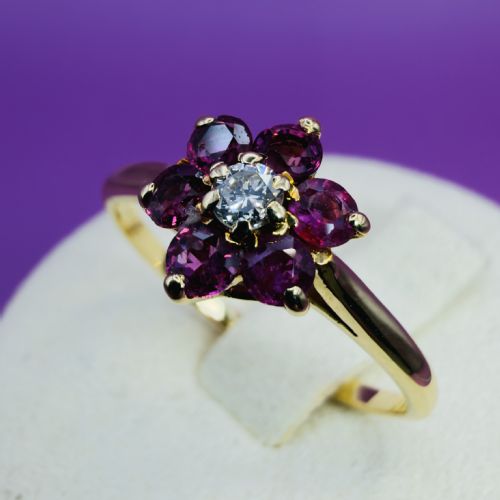
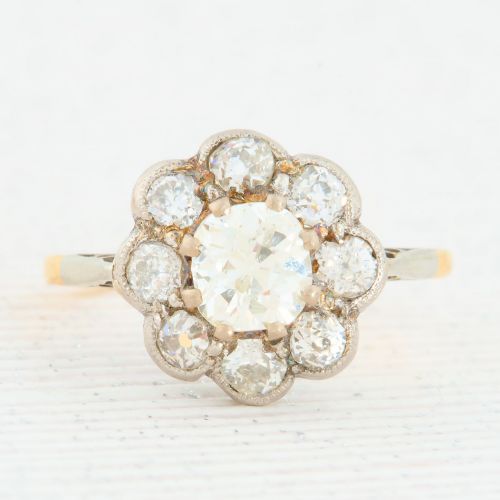
Flower Cluster Ring
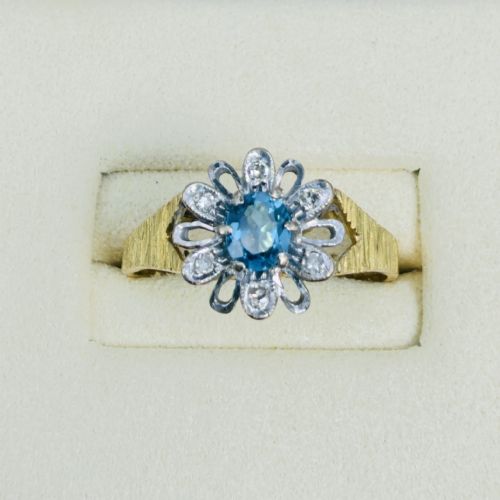
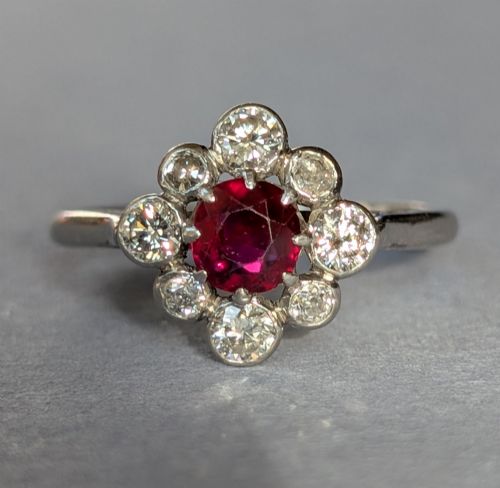
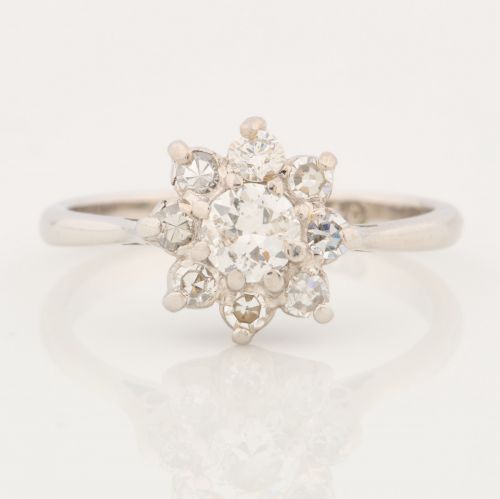
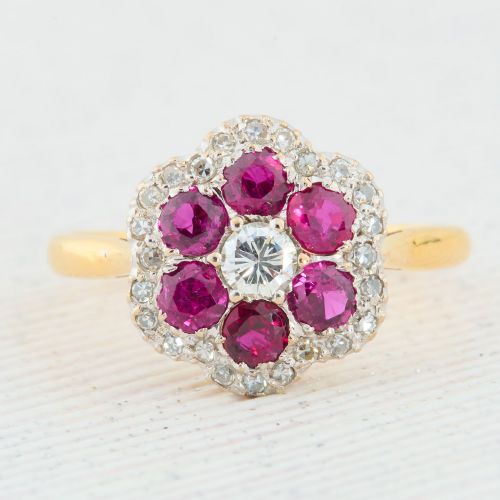
A flower cluster ring arranges precious stones in a naturalistic floral form, bringing together centuries of goldsmithing and fine gems.
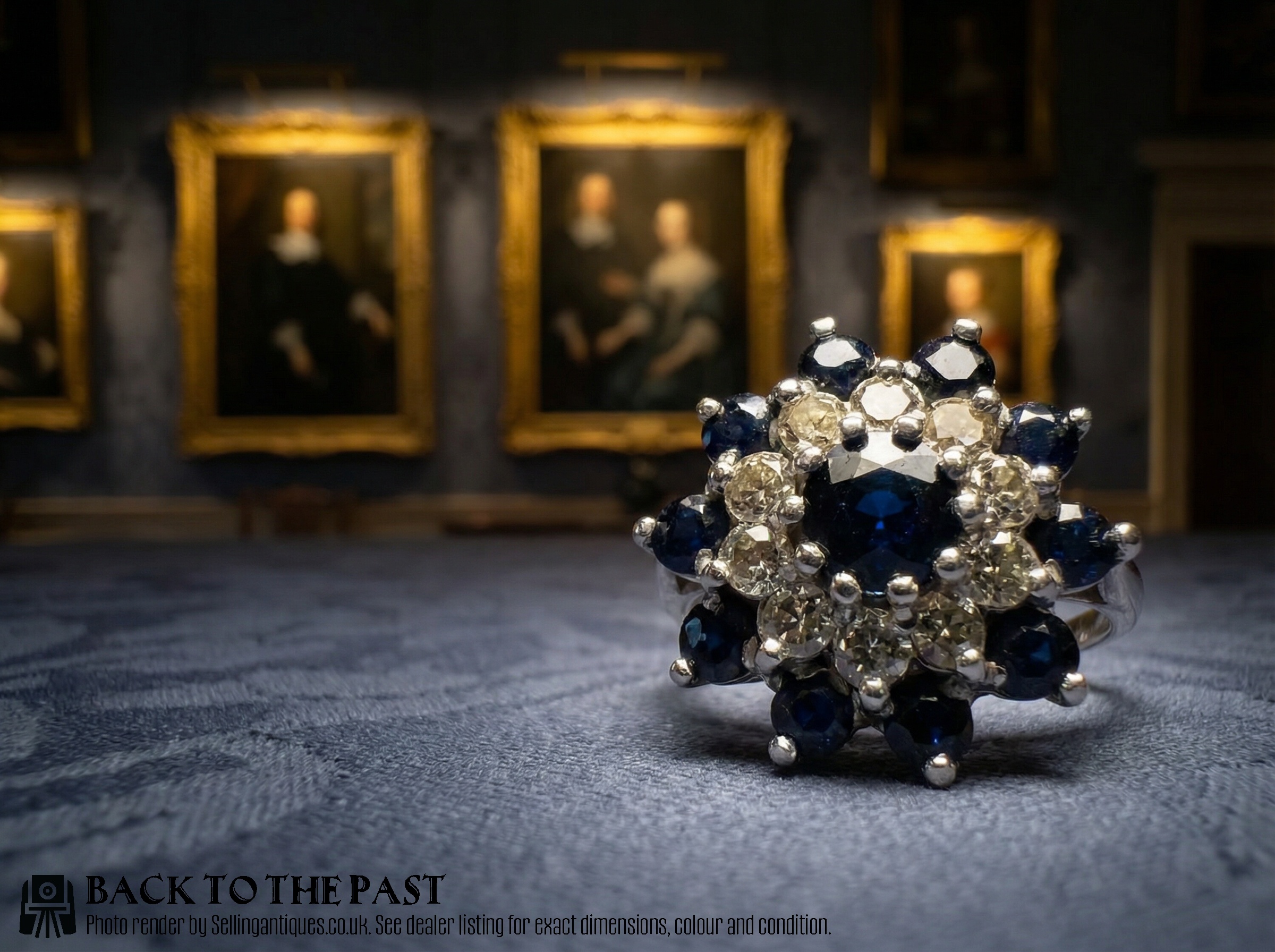
Flower Cluster Rings
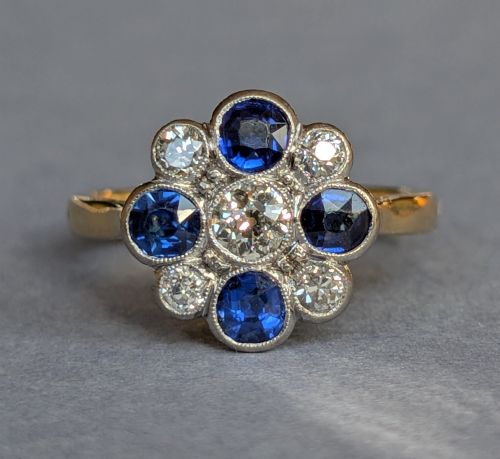
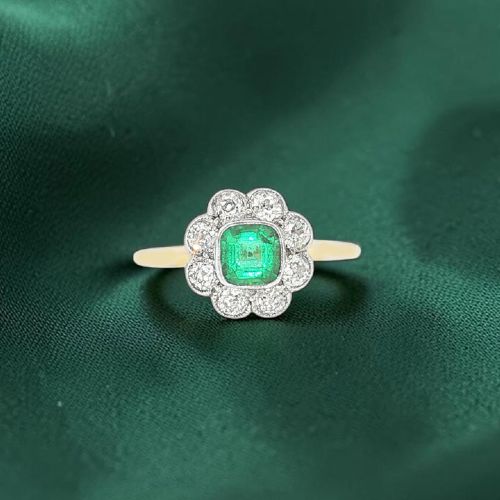
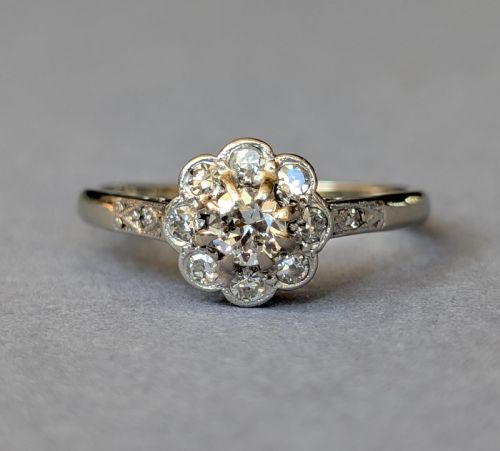
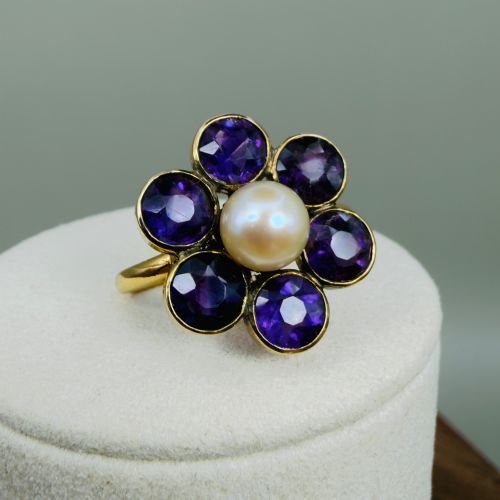
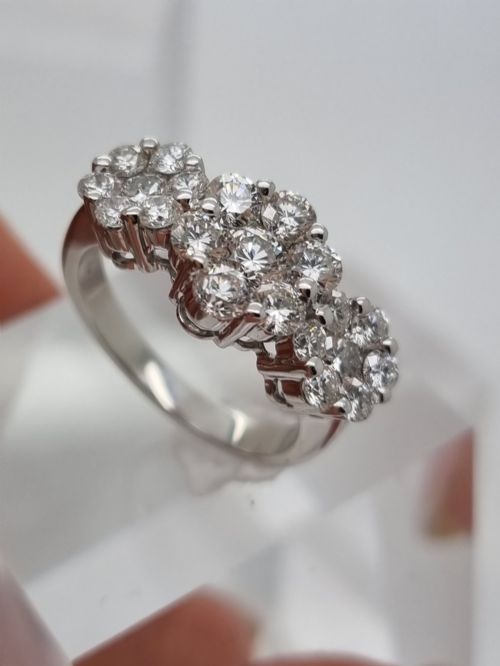
The materials utilised in these pieces vary widely across the inventory, ranging from traditional yellow gold and white gold to platinum, paired with diamonds, sapphires, rubies, emeralds, opals, turquoises, and pearls.
Materials and Construction
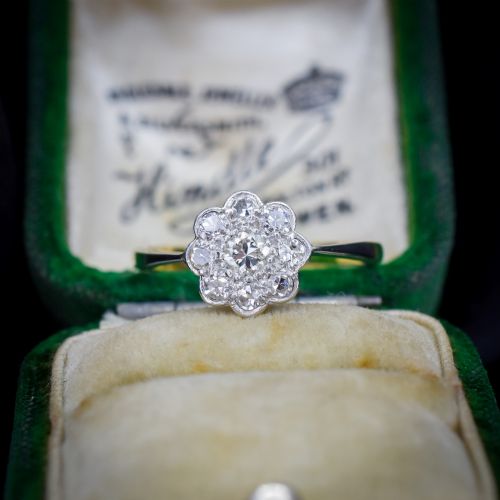
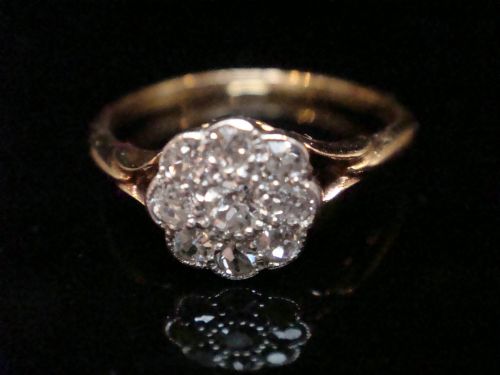
Goldsmiths constructed these mountings from eighteen-carat and nine-carat gold, alongside platinum, using old-cut diamonds and rose-cut diamonds set closely to form the petalled heads.
Coloured gemstones such as cornflower sapphires, rubies, and emeralds provide the central focus or surrounding petals, secured by fine claws or grain settings that emphasise the floral silhouette.
Retail Price Guide 2026
Typical UK retail prices for flower cluster ring, calculated from the Sellingantiques database of over a million retail prices indexed since 2003. This retail price guide relies exclusively on Sellingantiques data; no external sources or auction records are used, so the figures do not describe the wider market.
Some Victorian designers even incorporated turquoise and pearls into cluster rings, ensuring the wearer's hand permanently resembled a miniature garden.
Distinctions in Quality
Quality rests upon the harmony of the stone selection and the precision of the setting work, where matched proportions create a convincing botanical likeness.
The weight and purity of the precious metal mount, combined with the clarity and age-cut of the diamonds or depth of colour in the sapphires and rubies, determine the standing of each individual jewel.
Julius Cohen
The Flower Cluster Ring Glossary
- Cluster ring
- A ring design featuring multiple stones gathered closely together, frequently shaped into a floral or daisy motif. This arrangement maximises visual impact on the hand.
- Old-cut diamond
- A hand-faceted diamond cut before modern machinery standardised proportions, displaying smaller tables and higher crowns. These stones possess a distinct, softer luminescence under candlelight.
- Rose-cut diamond
- An antique diamond cut with a flat base and a domed crown of triangular facets resembling an opening rosebud. They offer a subtle, shimmering reflection rather than sharp brilliance.
- Cornflower sapphire
- A specific variety of sapphire exhibiting a soft, vibrant blue hue reminiscent of the field flower. This colour grading appears frequently in Edwardian and Victorian cluster designs.
Frequently Asked Questions
What defines a flower cluster ring?
A flower cluster ring uses a central gemstone surrounded by smaller accent stones to create a botanical motif resembling a daisy or floral bloom.
This configuration has remained popular across Victorian, Edwardian, and mid-century periods, utilising various combinations of gold, platinum, diamonds, and coloured stones.
How do I care for antique cluster rings?
Antique cluster rings require gentle handling due to their age and delicate settings, particularly pieces containing softer gems like pearls, opals, or turquoises.
Store them separately in lined boxes and avoid ultrasonic cleaning or harsh chemicals to protect the original metalwork and stone securements.
Were these rings worn as engagement rings?
Many historical cluster rings served as engagement rings, particularly during the Victorian and Edwardian eras when floral and symbolic motifs held deep personal meaning.
They also functioned as fashion or cocktail rings, a tradition that continued into the nineteen-fifties and sixties with bolder mid-century designs.
How can I tell an Edwardian cluster ring from a Victorian one?
Edwardian cluster rings often utilise platinum or white gold mountings with intricate openwork, lace-like details, and bright diamond settings that reflect the lighter aesthetic of the early twentieth century.
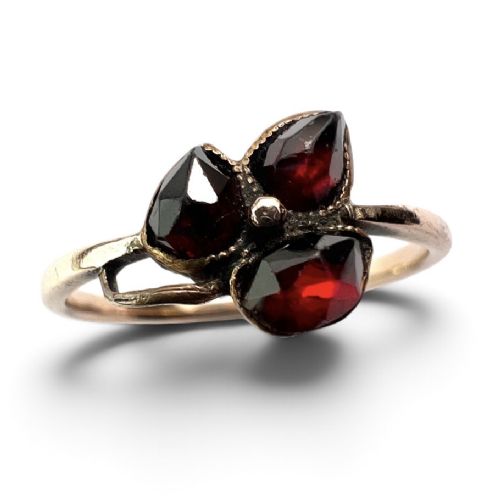
Victorian examples frequently employ yellow gold or lower-carat gold alloys, sometimes featuring darker or more robust rubies, garnets, or turquoise stones in heavier settings.