
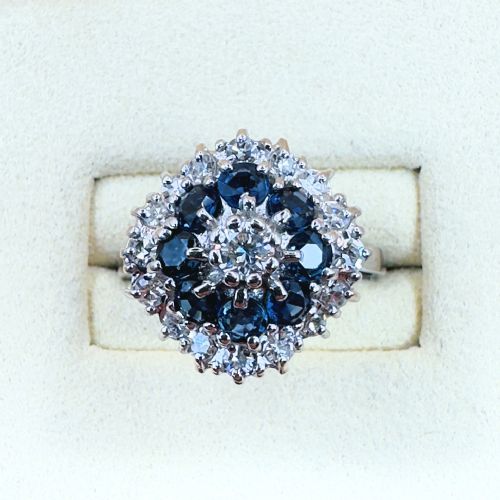


White Gold Gemstone Ring
A white gold gemstone ring marries the cool lustre of precious metal with the fire of diamond, ruby, sapphire, or opal for daily wear.
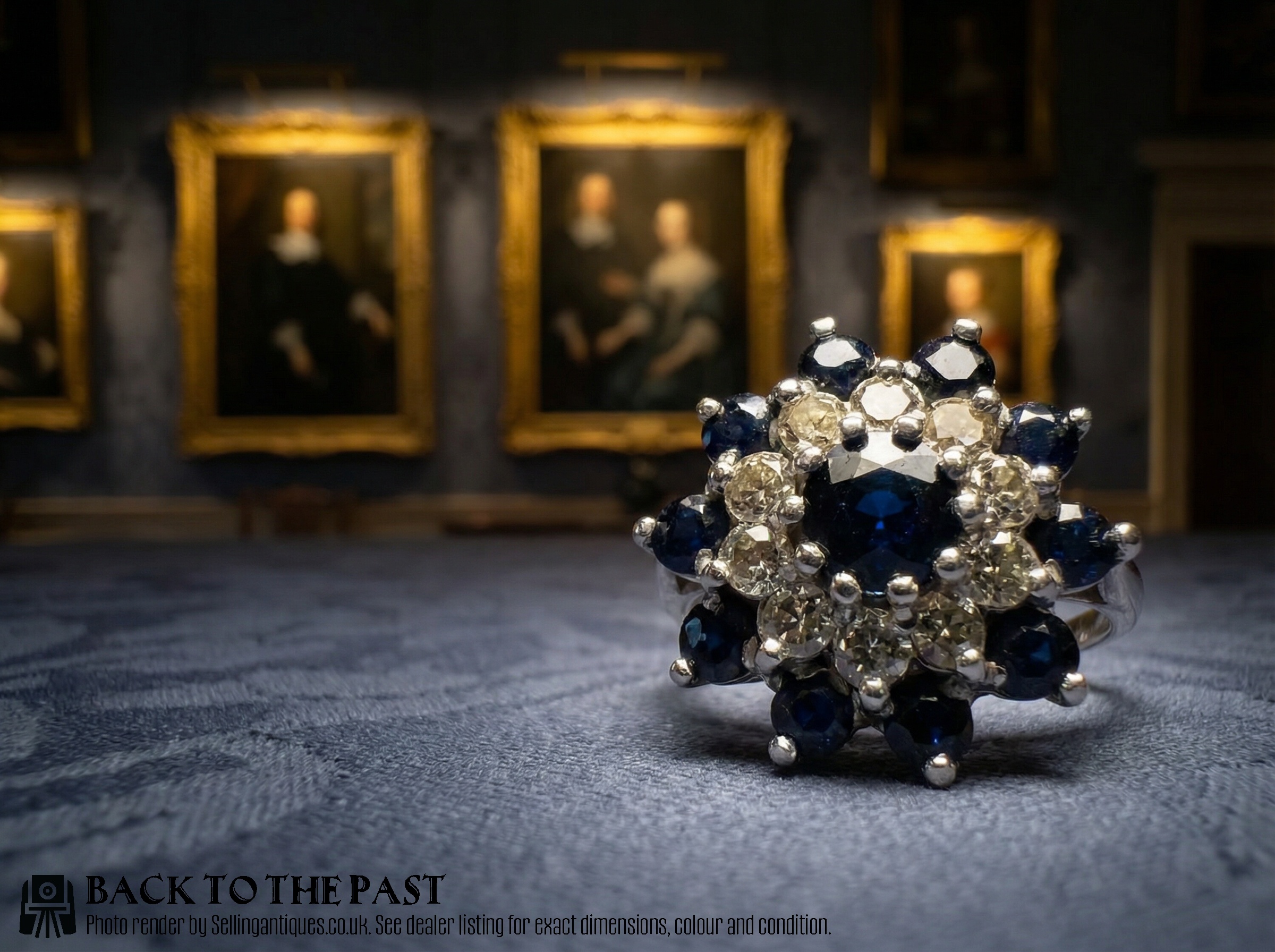
White Gold Gemstone Ring
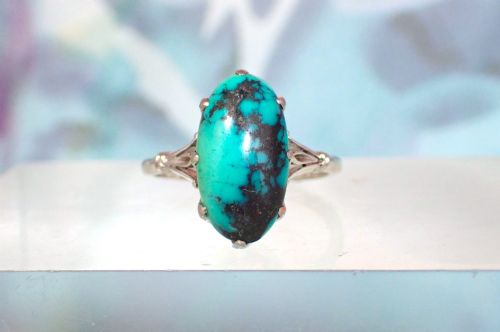
A white gold gemstone ring pairs coloured stones with brilliant diamonds in cluster, five-stone, and cocktail configurations. A buyer searching this phrase seeks jewels that bridge classical design with a crisp metallic tone.
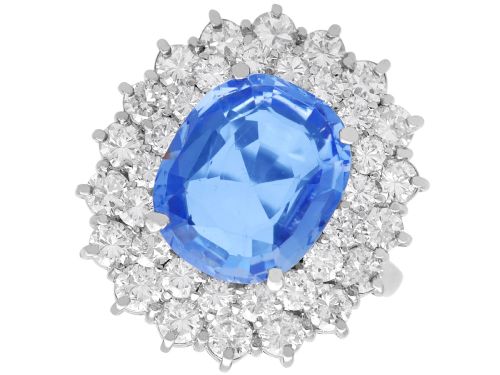
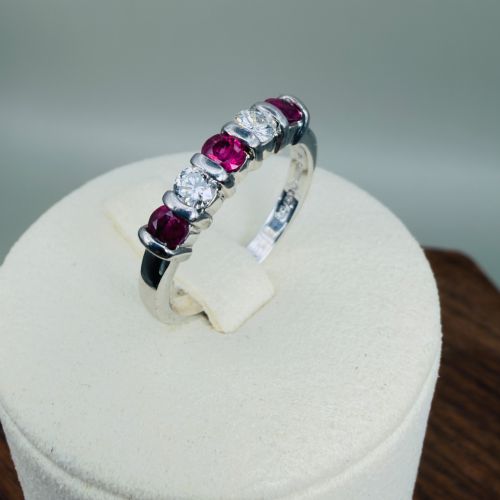
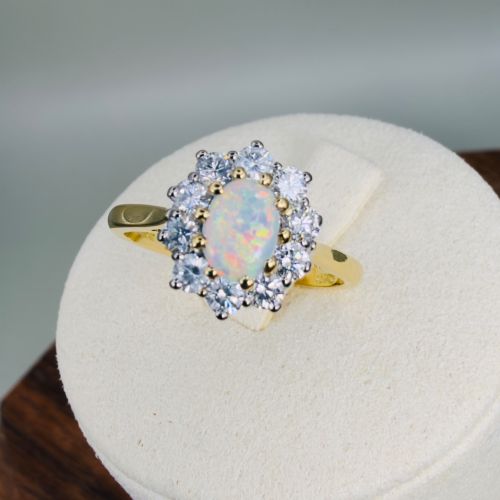
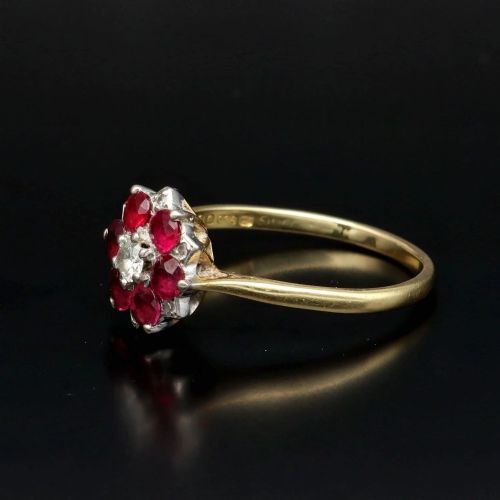
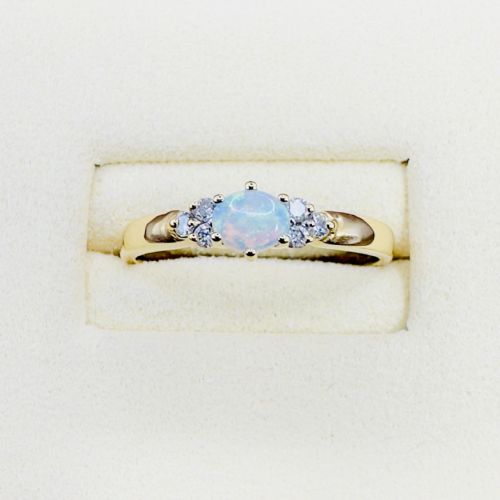
Cluster and multi-stone band formats dominate this selection, frequently set with central opals, rubies, sapphires, or emeralds framed by smaller diamonds. These pieces hail predominantly from mid-century decades alongside earlier Edwardian and Art Deco revivals.
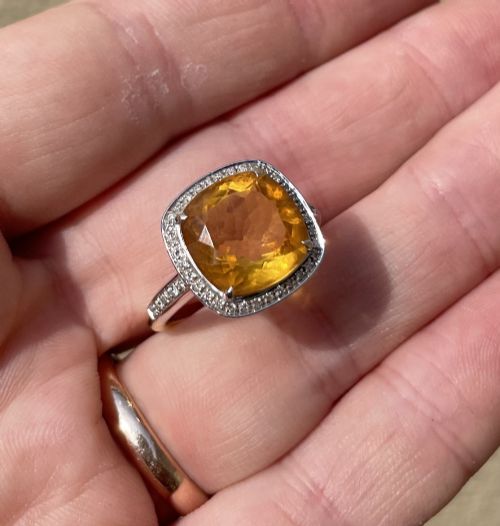
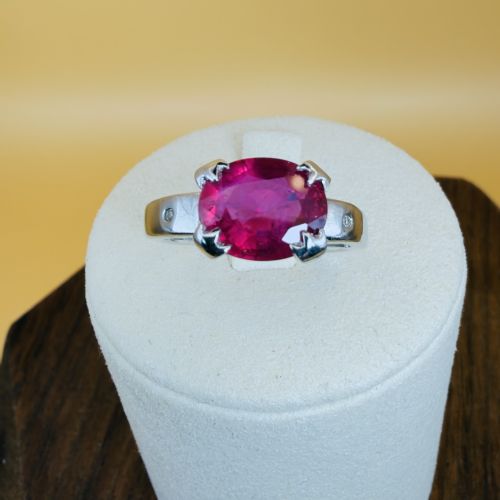
Cocktail rings provide larger scale statements, incorporating substantial aquamarines, zircons, or high-carat opals within substantial white gold mounts. Each configuration reflects the prevailing aesthetic priorities of its decade of origin.
Materials and Construction
Goldsmiths utilise eighteen-carat white gold and platinum settings to anchor diamonds alongside precious coloured stones like rubies, sapphires, and emeralds. Metal selection provides a neutral backdrop that heightens the chromatic intensity of the principal gem.
Cluster formations arrange surrounding diamonds around a central cabochon or faceted stone using grain or claw settings. This technique maximises light entry through the principal gemstone while securing smaller accent diamonds tightly within the frame.
Listings feature pieces spanning the Victorian era through the nineteen-sixties, utilising eighteen-carat white gold, platinum, and yellow gold.
Evaluating Quality and Design
Quality rests in the saturation and clarity of the central gem, whether an unheated sapphire, a Colombian emerald, or a high-carat white opal. Fine examples maintain balanced proportions between the central stone and its surrounding diamond cluster.
The precision of the metalwork defines the upper tier of production, visible in the symmetry of claw settings and the integration of platinum elements with white gold shanks. Retention of crisp geometric lines in Art Deco designs separates superior craftsmanship from standard commercial output.
The White Gold Gemstone Ring Glossary
- Cluster ring
- A ring featuring a central gemstone surrounded by a ring of smaller accent stones, typically diamonds. This arrangement maximises visual impact and perceived scale on the hand.
- Cabochon
- A gemstone shaped and polished with a smooth rounded surface rather than faceted. This cut is favoured for opals, star stones, and certain emeralds to display internal optical phenomena.
- Old cut
- A diamond cutting style prevalent in earlier periods featuring a smaller table, higher crown, and open culet. These stones catch candlelight distinctively compared to modern brilliant cuts.
- Cocktail ring
- A large, showy ring designed to draw attention during evening social occasions. They frequently incorporate high-carat aquamarines, zircons, or complex multi-stone arrays.
- East to West
- An orientation where an elongated marquise or oval gemstone is set horizontally across the finger rather than vertically. This layout offers a modern profile derived from mid-century styling.
White Gold Gemstone Ring: Frequently Asked Questions
How do I care for a white gold gemstone ring?
Clean these pieces gently with warm soapy water and a soft brush, avoiding harsh chemical dips that damage softer gems like opals.
Store rings individually in soft pouches to prevent harder diamonds from scratching neighbouring rubies, emeralds, or white gold surfaces.
Are these rings suitable for daily wear?
Diamonds, rubies, and sapphires possess the hardness required for regular daily use on the hand.
Softer stones like opals require greater care and attention to avoid impact fractures during strenuous manual tasks.
What periods do these rings represent?
The selection spans from late Victorian and Edwardian origins through Art Deco geometries to mid-century retro designs.
Nineteenth-century examples also appear alongside vintage items from the nineteen-fifties and sixties.
How are different gemstone types identified?
Gems are distinguished by their natural inclusions, refractive index, and distinctive colour zoning visible under magnification.
Certified stones often include documentation detailing treatment status and geographical origin for high-value emeralds and sapphires.