



Vintage Colombian Emerald Ring
A vintage colombian emerald ring brings exceptional depth of colour and historical character to the hand through fine gemstones sourced from South American mines.
Vintage Colombian Emerald Ring
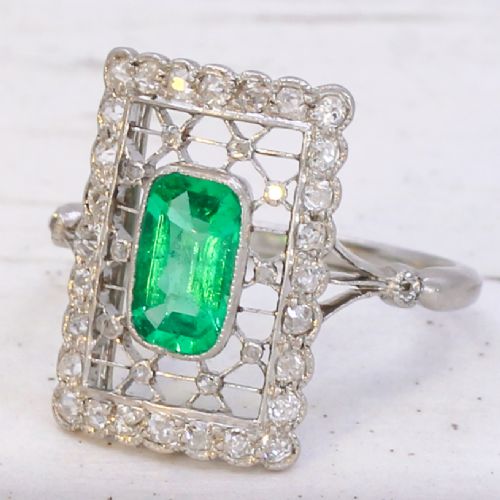
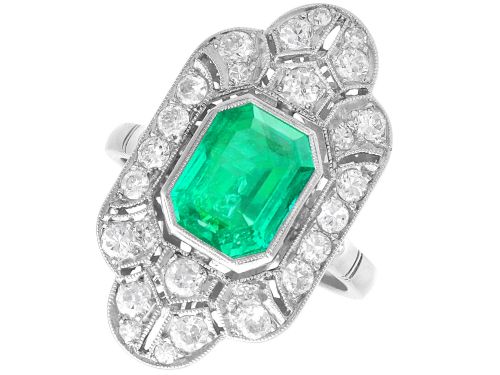
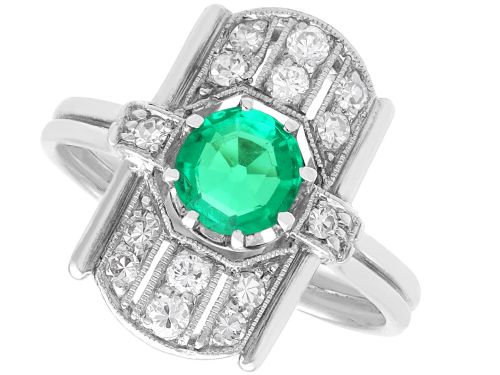
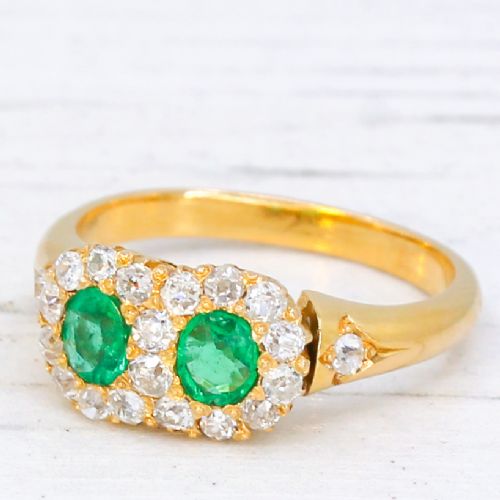
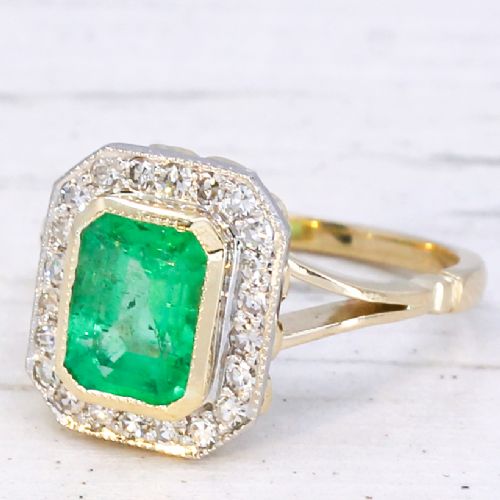
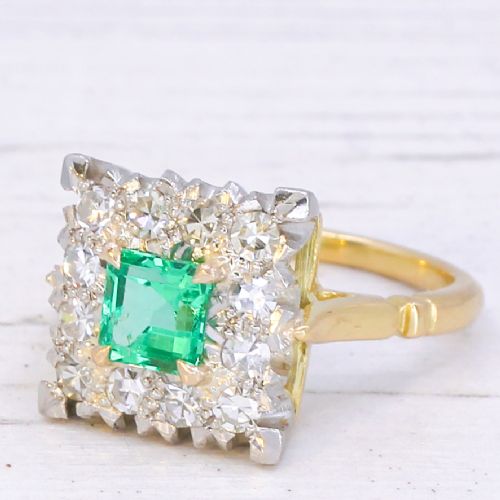
A vintage colombian emerald ring spans multiple decades of twentieth-century design, capturing the distinct aesthetic shifts from Edwardian and Victorian workshops through Art Deco periods and mid-century modernism. These pieces showcase emerald stones paired with diamonds in cluster, solitaire, trilogy, and cocktail configurations.
Materials and technique
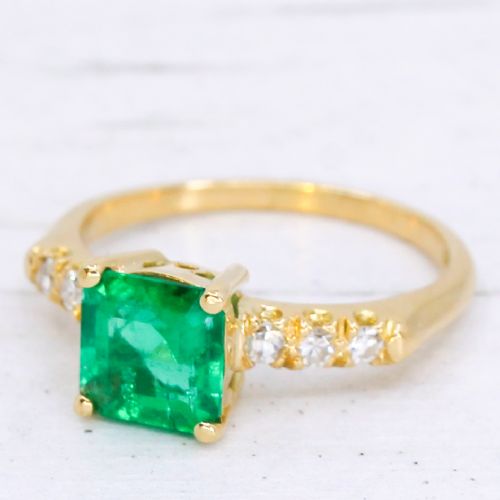
Makers set these Colombian emeralds alongside sparkling diamonds using durable platinum and various carats of yellow and white gold. Jewellers of the early and mid-twentieth century utilised hand-fabricated metalwork to secure intricate cluster, marquise, and ballerina arrangements.
Techniques relied on precise claw and bezel settings that maximised light entry into the beryl crystal while maintaining structural integrity across decades of wear.
Vintage Colombian Emerald Ring Retail Price Guide 2026
Typical asking prices for vintage colombian emerald ring among the pieces listed under this phrase on Sellingantiques today, from the lower quarter to the upper quarter. They describe what is for sale here now, not the wider market.
Listings feature emeralds paired with diamonds set in platinum, yellow gold, and white gold across periods from nineteen hundred to nineteen sixty.
What separates the grades
Quality rests upon the natural clarity and saturation of the emerald alongside the grading of accompanying diamonds. Stones accompanied by laboratory reports detailing negligible or minor oil enhancement command significant attention from collectors.
The execution of the surrounding metalwork and the preservation of original period proportions further distinguish exceptional examples from standard workshop production.
The Vintage Colombian Emerald Ring Glossary
- Beryl
- The mineral species encompassing emeralds. This mineral family includes green varieties coloured by trace amounts of chromium and vanadium.
- Ballerina ring
- A cluster setting style featuring a central stone surrounded by a radiating border of tapered baguettes or brilliant-cut diamonds. The arrangement resembles the tutu of a ballerina.
- Trilogy ring
- A mounting holding three principal gemstones in a row. This design traditionally represents the past, present, and future.
- Solitaire
- A ring featuring a single prominent gemstone mounted alone on the band. This setting focuses attention entirely on the central emerald.
- Marquise
- A boat-shaped gemstone cut featuring pointed ends and curved sides. This elongated silhouette maximises perceived carat weight on the finger.
Vintage Colombian Emerald Ring: Frequently Asked Questions
How do I care for a vintage colombian emerald ring?
Emeralds possess a natural inner structure that requires gentle cleaning using warm soapy water and a soft brush. Ultrasonic cleaners and harsh chemical dips should be avoided entirely.
Store the ring in a separate fabric-lined compartment to prevent harder diamonds from scratching the softer emerald surface during storage.
What periods do these rings come from?
The pieces span the Edwardian, Victorian, Art Deco, and mid-century eras, reflecting design trends from nineteen hundred through nineteen sixty.
Each period imparts distinct architectural or organic motifs to the mounting that help determine its approximate age.
Are these emeralds treated with oil?
Many emeralds undergo traditional clarity enhancement using natural oils or resins to fill microscopic surface-fissures. Certification documents specify whether stones contain no oil, minor oil, or negligible oil.
Stones with minimal enhancement generally attract higher regard among collectors and connoisseurs.
What metals are used in these mountings?
Goldsmiths utilised platinum, yellow gold, white gold, and 18ct white gold to fabricate these mountings. Platinum gained popularity during the Edwardian and Art Deco periods for its strength and bright finish.
Later mid-century designs often returned to warm yellow gold or combined gold with white metal accents.