



1930s Cocktail Trolley
A 1930s cocktail trolley brings period glamour to modern entertaining, combining mobility with striking geometric forms.
1930s Cocktail Trolley
A 1930s cocktail trolley serves as a mobile bar and serving station, designed for entertaining during the interwar period. These pieces originate primarily from the Art Deco era, reflecting the design sensibilities of the 1920s and 1930s. Buyers will find variations ranging from circular walnut tables to metamorphic designs that expand for service.
The dominant style across these pieces is Art Deco, expressed through clean lines, circular tiers, and streamlined profiles. English and French workshops produced these items to cater to the growing popularity of home cocktail culture. Common functional forms include two-tier carts, side tables with drinks chests, and pop-up cocktail bars.
Most examples rely on wheeled mobility, allowing hosts to move glassware and bottles between rooms with ease. The forms vary from compact circular carts to elaborate French serving trolleys with specialised compartments. Each piece reflects the social habits of the period, prioritizing convenience paired with decorative appeal.
Materials and construction
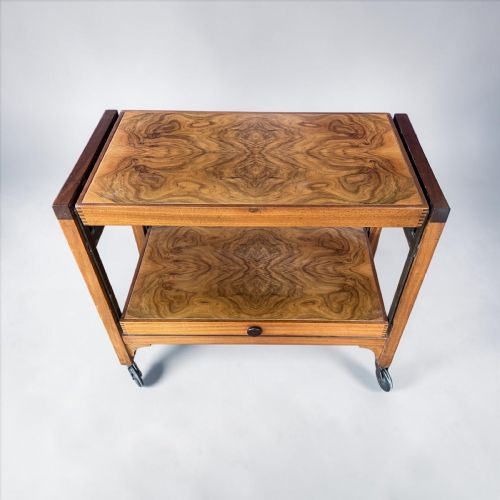
Makers of the 1930s cocktail trolley utilised a combination of rich woods and industrial metals. Walnut and burr amboyna veneers provided warmth and decorative grain patterns, often finished to a high polish. Ebonised wood and veneer added sharp contrast to lighter primary timbers.
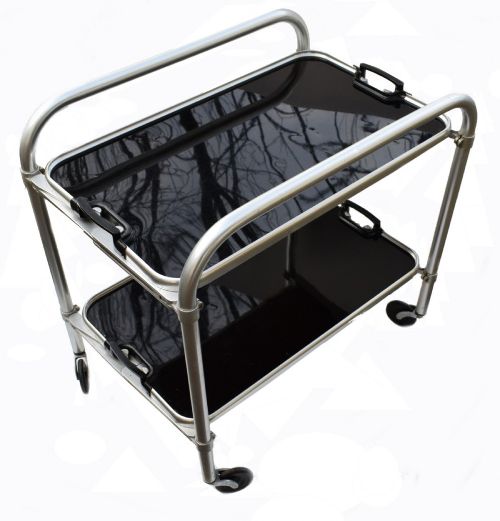
Metal components played a structural and decorative role, with brass, chrome, aluminium, and standard metal framing the tiers. Glass surfaces, including mirror and black glass, formed the shelves for holding glassware and bottles. Construction techniques focused on stability, accommodating the movement of rolling carts loaded with heavy glassware.
1930s Cocktail Trolley Retail Price Guide 2026
Typical asking prices for 1930s cocktail trolley among the pieces listed under this phrase on Sellingantiques today, from the lower quarter to the upper quarter. They describe what is for sale here now, not the wider market.
Some models hide their drinks storage away until a clever pop-up mechanism reveals the bottles.
Judging quality and execution
Quality in a 1930s cocktail trolley rests on the selection of timber veneers and the precision of metalwork. Pieces featuring burr amboyna or figured walnut demonstrate higher material ambition than plain surfaces. The integration of specialised mechanisms, such as pop-up actions or metamorphic folding leaves, indicates superior cabinetmaking skill.
The execution of the frame distinguishes standard items from finer examples. Solid brass fittings, heavy gauge chrome, and bevelled glass inserts show greater care in manufacture. The overall cohesion of the Art Deco design, whether through streamline curves or balanced circular tiers, dictates the standing of the piece.
Incorporall
The 1930s Cocktail Trolley Glossary
- Art Deco
- A design style characterised by streamlined forms, geometric patterns, and modern materials popular in the 1920s and 1930s. This aesthetic defines the overarching look of these pieces.
- Burr Amboyna
- A highly decorative wood veneer showing intricate swirling grain patterns derived from the amboyna tree. It was used on luxury furniture to create visual depth.
- Metamorphic
- A term for furniture that transforms from one form into another, such as a side table expanding into a serving surface. These clever designs maximise utility in compact spaces.
- Hostess Trolley
- A wheeled serving cart intended for moving food or drinks across a room. In this context, it refers specifically to mobile bar units from the interwar period.
1930s Cocktail Trolley: Frequently Asked Questions
How were these trolleys used?
These trolleys served as mobile home bars during the interwar period, allowing hosts to wheel drinks and glassware directly to guests in the living room or study. They held bottles, shakers, and glasses on their multiple tiers for easy access during gatherings.
Their mobility made them central to the cocktail parties of the 1930s. They combined practical serving space with a decorative furniture piece that remained on display when not in use.
How do I style a cocktail trolley?
Keep the arrangement balanced by placing taller bottles and a shaker on the lower tier and glassware on the top surface. Adding a small dish or decorative accessory helps break up the glassware.
Allow the materials, such as walnut or chrome, to complement your existing room decor. The trolley works well positioned against a wall or beside seating areas where it remains accessible.
How do I identify Art Deco pieces?
Art Deco pieces display geometric shapes, streamlined silhouettes, and a combination of modern and traditional materials. Look for circular tiers, clean lines, and contrasting veneers like walnut or ebonised wood.
The use of chrome, brass, and glass alongside polished timber points directly to this interwar design movement. The focus remains on symmetry, movement, and functional elegance.
Are these trolleys sturdy enough for daily use?
The original construction prioritised stability to support heavy glass and bottles while in motion. Most frames combine robust metal or solid wood structures with secure wheel fittings.
While built for practical service, treating the vintage surfaces with care ensures they withstand regular use. Checking the wheel mountings and joints maintains their structural integrity.