


1930s Cocktail Bar
A 1930s cocktail bar brings the glamour of the interwar lounge home through clever engineering and striking cabinetwork.
1930s Cocktail Bar
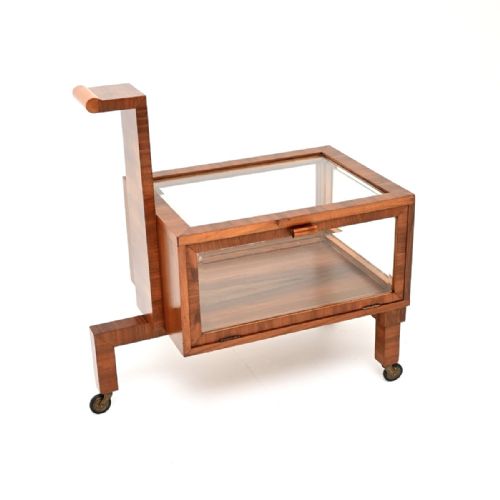
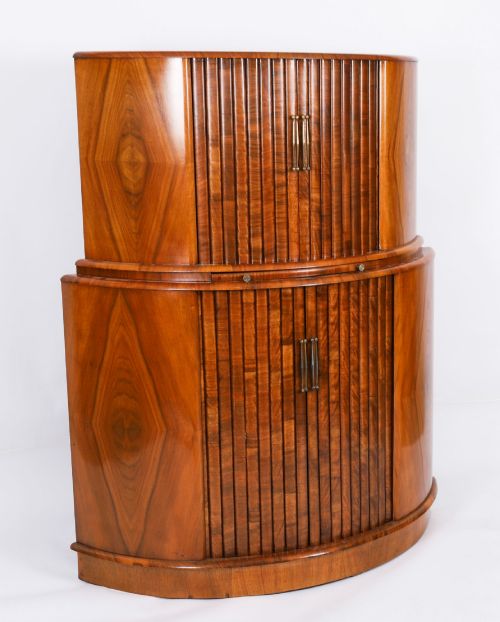
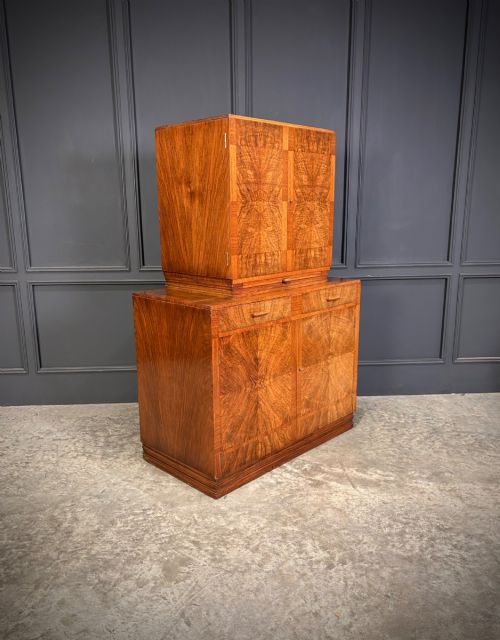
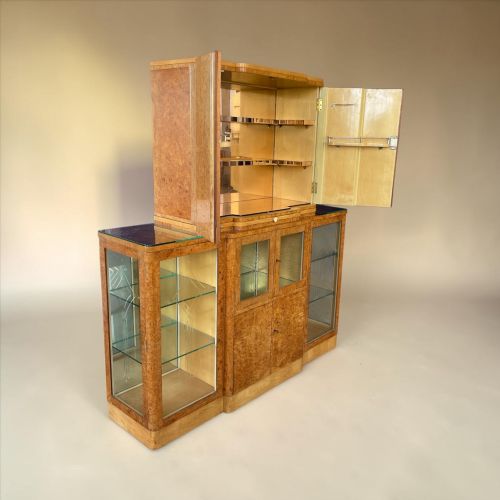
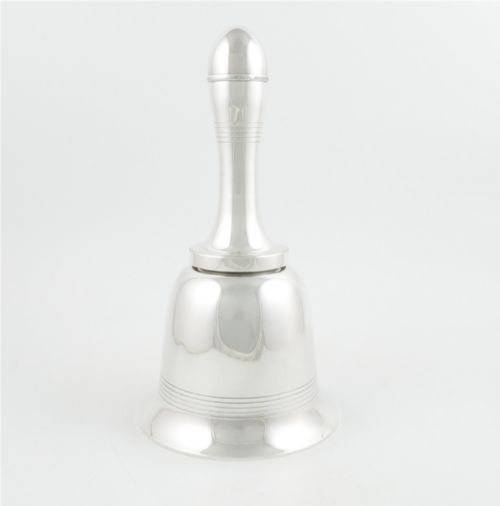
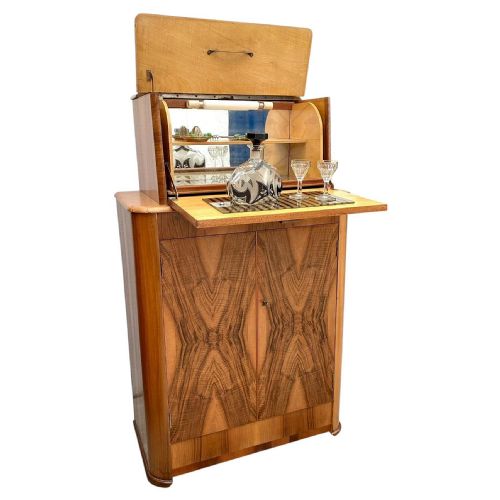
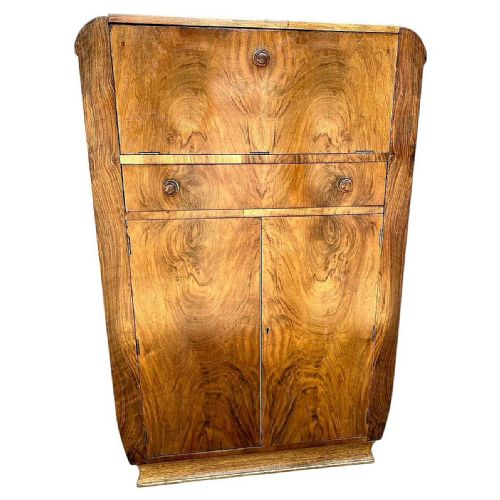
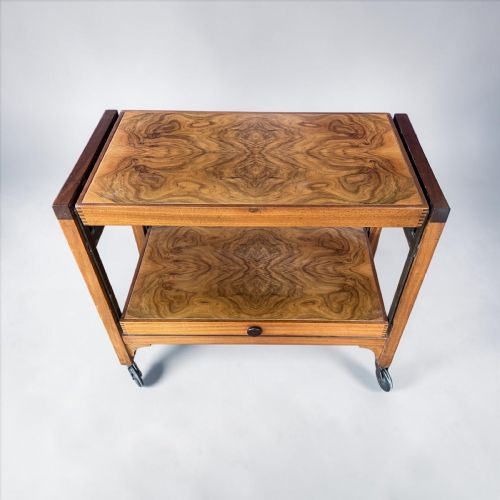
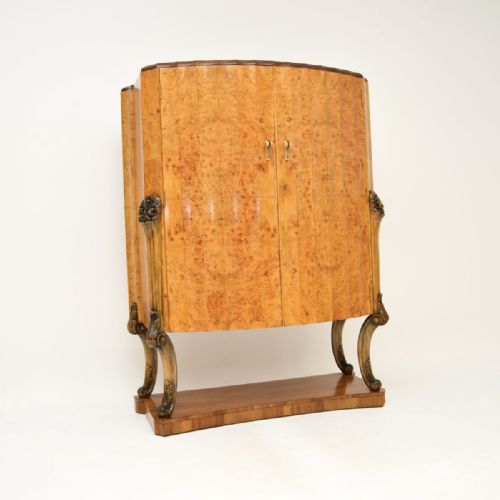
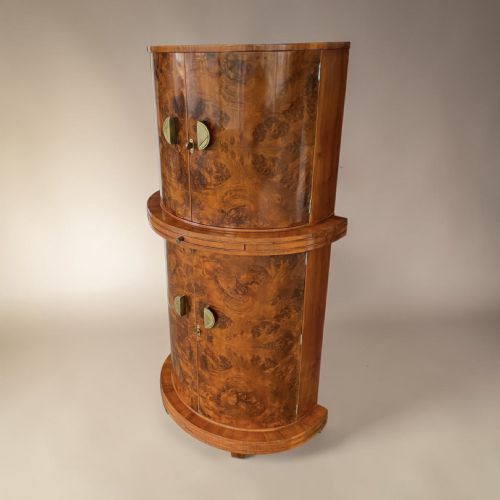
When you search for a 1930s cocktail bar, you encounter substantial freestanding drinks cabinets, mobile serving trolleys, and smaller tabletop barware designed for entertaining. The dominant form on this page is the fitted cocktail cabinet in walnut, burr walnut, or bird's-eye maple, often featuring internal lighting and specialist storage for glassware.
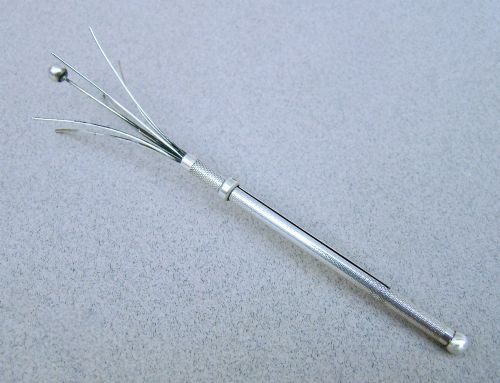
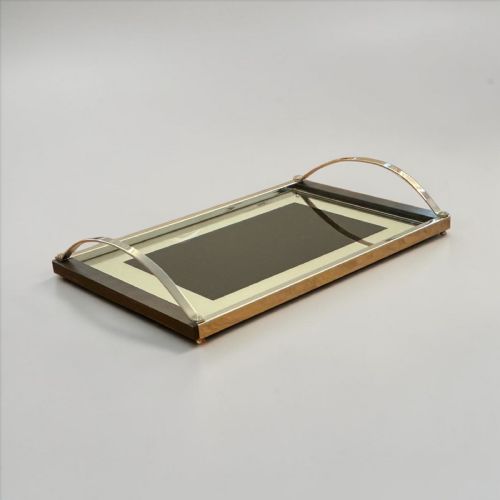
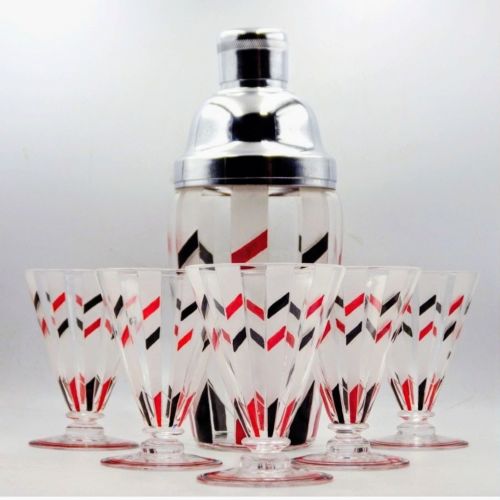
Alongside major furniture pieces, the category encompasses wheeled bar carts, metamorphic side tables that expand for service, and silver-plated accessories like shakers and lemon squeezers. These objects reflect the interwar social shift toward home-based cocktail culture and sophisticated hosting.
Most examples originate from the 1930s period within the Art Deco style, accompanied by French variants and occasional pieces from surrounding decades utilising similar modernist lines. Buyers select these items to serve drinks from functional antiques that double as sculptural furniture.
How they were made
Cabinetmakers constructed these pieces using a solid wood carcass overlaid with decorative timber veneers such as burr walnut, amboyna, satinwood, and bird's-eye maple to create dramatic grain patterns. Furniture frames frequently incorporated contrasting elements of brass, chrome, mirror glass, and parchment inlay.
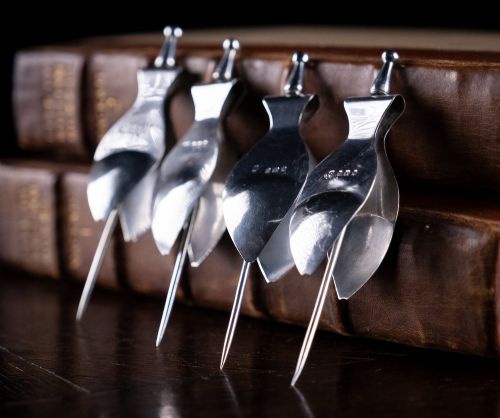
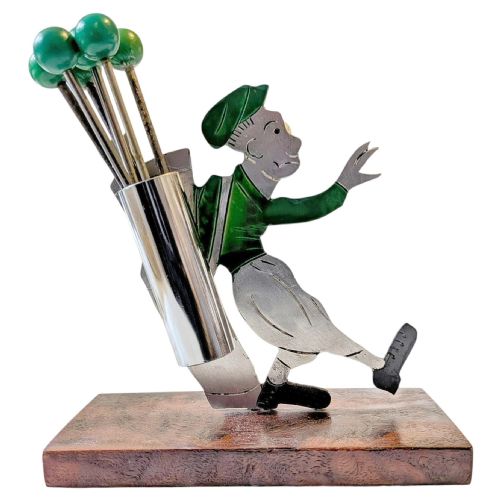
Mobile carts and trolleys combined tubular metal or cast-iron components with wooden trays, while smaller barware utilised silver plate, green Bakelite, and stamped metal. Specialised items like cocktail sticks featured figural novelty designs in carved materials, executed by specialist metalworkers and silversmiths.
1930s Cocktail Bar Retail Price Guide 2026
Typical asking prices for 1930s cocktail bar among the pieces listed under this phrase on Sellingantiques today, from the lower quarter to the upper quarter. They describe what is for sale here now, not the wider market.
Listings feature walnut, burr walnut, mahogany, satinwood, bird's-eye maple, and amboyna timbers alongside brass, chrome, and mirrored glass.
What varies in quality
The distinction between standard production and top-tier pieces rests on the choice of exotic veneers and the complexity of internal mechanisms. Superior examples exhibit book-matched burr timber and smooth metamorphic actions that reveal fitted glassware compartments without sticking.
Attribution to recognised workshops elevates an item, as seen in pieces bearing maker signatures or distinct architectural proportions. Craftsmanship in metal mounts, silver plating thickness, and the integrity of mirrored interiors further divide ordinary utility items from masterworks.
Epstein·Harry and Lou Epstein·Maurice Jallot·Maurice Adams·Hille·Sudre·Richard Comyns·Keith Murray
The 1930s Cocktail Bar Glossary
- Art Deco
- A design style characterised by sleek geometric shapes, streamlined forms, and lavish materials that dominated the interwar period. It influences the geometry of almost every cabinet and trolley listed here.
- Metamorphic
- Furniture engineered to transform its shape or function through folding, sliding, or pop-up mechanisms. These clever designs allow side tables to expand into full serving bars.
- Burr walnut
- A wood harvested from walnut tree growths that produces swirling, highly decorative grain patterns. Cabinetmakers prized this timber for veneering the front doors of cocktail cabinets.
- Bakelite
- An early synthetic plastic valued for its durability and rich colour, frequently used for handles and detailing on mid-century barware and shakers.
- Chinoiserie
- Decorative style employing European interpretations of traditional Chinese motifs and lacquerwork. It appears on select cabinets to create an exotic surface finish.
1930s Cocktail Bar: Frequently Asked Questions
What is inside a cocktail cabinet?
These cabinets contain specialised fitted compartments designed to hold decanters, cocktail shakers, wine glasses, and mixing spoons securely during service. Many interiors feature mirrored back panels, glass shelves, and pull-out preparation slides for mixing drinks.
Advanced models incorporate electrical wiring to illuminate the interior automatically when the doors open, alongside juice squeezes and storage racks for cocktail sticks.
How do metamorphic drinks trolleys work?
Metamorphic trolleys and tables use hinged leaves, sliding sections, or pop-up mechanisms that expand the surface area for serving guests. These mechanical elements allow a compact side table to transform into an operational bar surface with minimal effort.
Operating the mechanism usually involves lifting or pivoting a tiered section, revealing hidden compartments for bottles and glassware housed beneath the main top.
Were these cabinets used in homes?
Interwar households adopted these dedicated drinks furniture pieces as home entertaining shifted away from public venues and into private reception rooms. They provided a centralized station for hosting guests without requiring constant trips to the kitchen.
The inclusion of lockable doors ensured that expensive spirits and glassware remained secure when the household was unattended.
How do I identify an Art Deco piece?
Art Deco design relies on symmetrical geometric shapes, clean horizontal lines, and contrasting materials like chrome against dark figured woods. The furniture avoids heavy Victorian ornamentation in favour of streamlined silhouettes and polished reflective surfaces.
Look for stepped cornices, rounded cabinet corners, and decorative veneers arranged in sunburst or chevron patterns across the primary surfaces.