




1930s Brass Table Light
A 1930s brass table light brings the geometric lines of the period to a desk or sideboard.
1930s Brass Table Light
When you search for a 1930s brass table light, you encounter task lamps, reading lamps and decorative fittings produced during the interwar years. The selection on this page centres primarily on Art Deco designs originating from Britain and France.
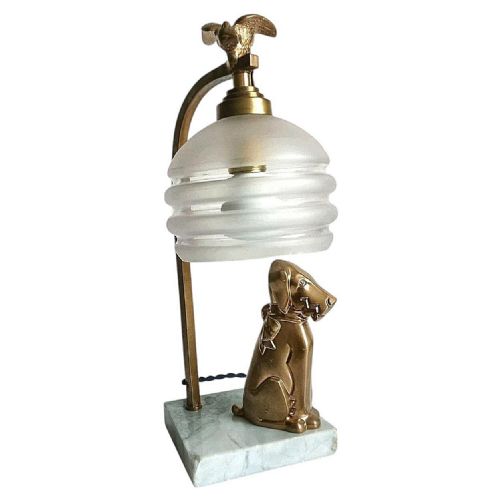
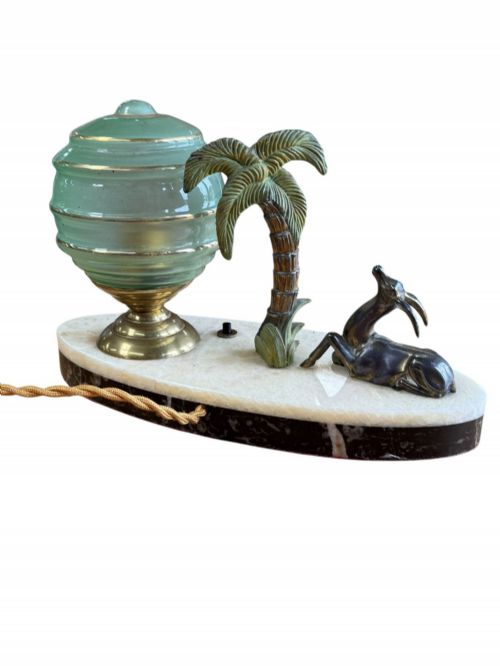
Many examples incorporate mixed media, combining metalwork with frosted glass, marble, onyx or fabric shades. Forms range from simple adjustable task lamps to sculptural pieces featuring animals and floral motifs.
How they were made
The construction relies heavily on cast and spun brass, often paired with heavy bases of marble, onyx or granite to provide stability for adjustable arms and swan necks. Metal components are frequently finished with patination or polished surfaces typical of the era.
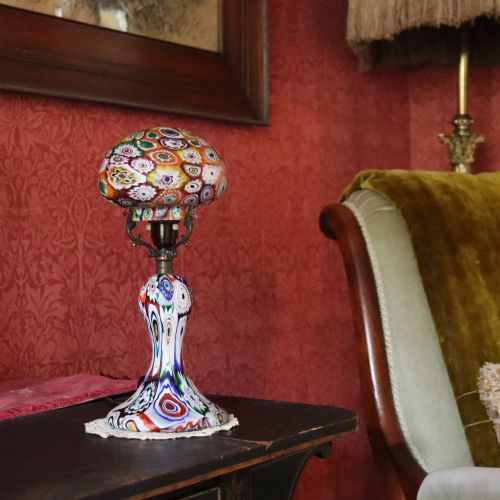
Glass elements utilise specialised techniques, including opaline glass, frosted shades and Murano millefiori work. These components are integrated directly into the metal framework to house early electrical fittings.
Listings combine brass with frosted glass, marble, onyx, granite, fabric and wood across various Art Deco forms.
What varies in quality
Quality separates mass-produced utility lighting from specialised studio or named workshop pieces. The weight of the cast brass and the presence of genuine stone bases rather than composite substitutes distinguish finer examples.
The integration of artistic glass, such as moulded opaline or layered millefiori, indicates a higher grade of manufacture. Intricate detailing in figural components, like animal motifs or floral tulip shades, also defines the upper tier.
Fratelli Toso·Rowley Gallery
The 1930s Brass Table Light Glossary
- Art Deco
- A design style spanning the 1920s and 1930s characterised by streamlined geometric shapes and stylised motifs. It dominates the aesthetic of interwar lighting.
- Opaline glass
- A milky, semi-translucent glass used widely for lamp shades to diffuse light softly. It is often found in white or pastel hues.
- Swan neck
- A curved metal arm that allows the lamp head to be adjusted downwards for directional task lighting. This form appears frequently on desk lamps.
- Millefiori
- A glasswork technique involving multicolored patterns created through glass canes. Italian makers utilised this method for decorative lamp bodies.
- Up-lighter
- A lighting fixture designed to cast illumination upwards towards the ceiling rather than directly downwards. These often feature decorative tulip-shaped shades.
1930s Brass Table Light: Frequently Asked Questions
Are these lamps wired for modern use?
Many examples have been updated with modern wiring to meet current electrical standards while retaining their original brass components.
Buyers should check individual listings to confirm whether a piece has been rewired or requires professional adaptation.
How do I identify a 1930s style?
Pieces from this decade typically feature geometric symmetry, stepped bases and clean industrial lines rather than ornate Victorian curves.
The materials frequently combine polished metals with glass and natural stone.
What surfaces suit these lamps?
These compact fixtures fit well on wooden desks, dressing tables and sideboards where task or accent lighting is required.
Heavy stone bases provide the necessary stability for adjustable arms on work surfaces.
Can I find matching pairs?
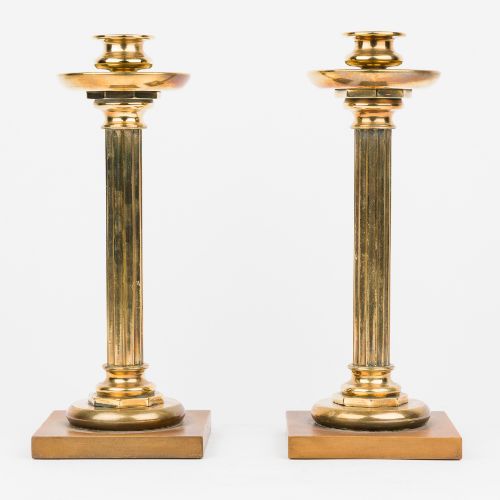
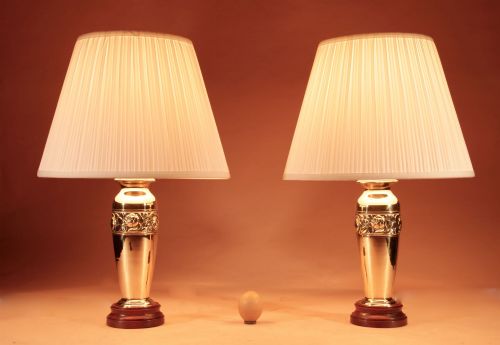
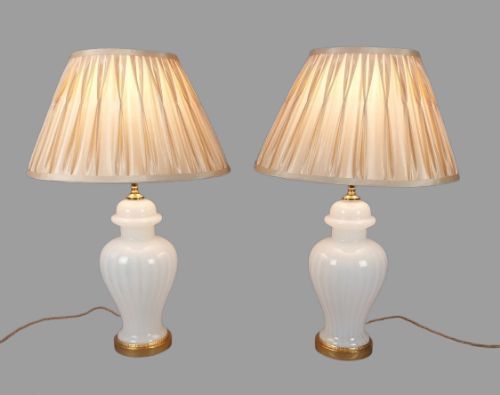
Pairs of matching candlesticks and dual lamps occasionally appear in the selection, usually sharing identical cast brass bases and glass shades.
Matching sets are more common in symmetrical Art Deco interior designs.