





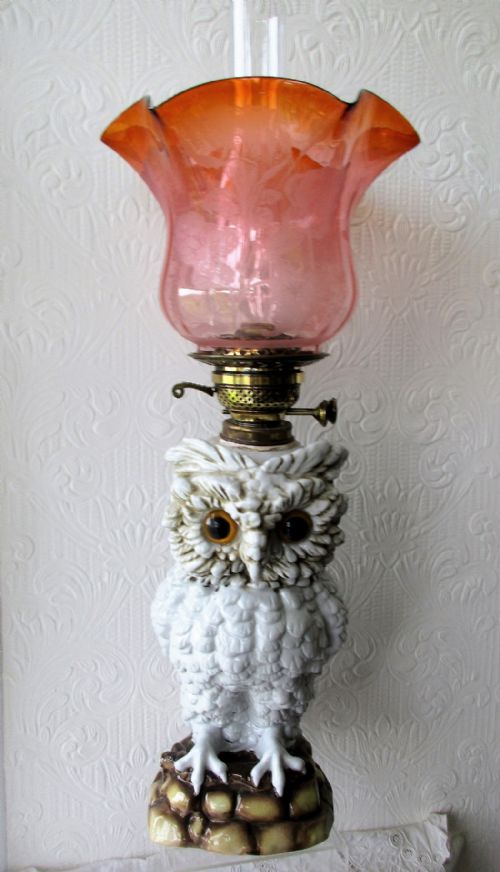

Brass Figural Table Lamp
These brass figural table lamps combine sculptural metalwork and period lighting, offering characterful illumination and decorative presence for collectors.
Brass Figural Table Lamp
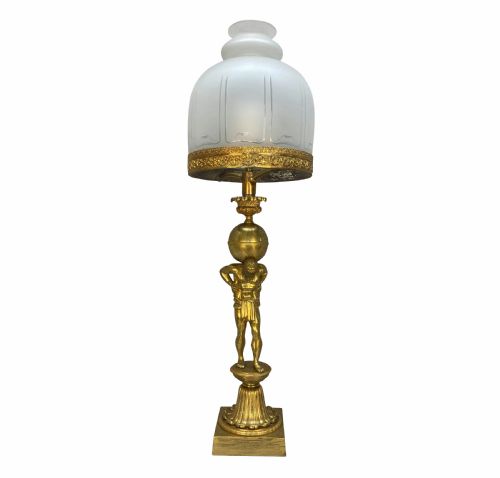
A brass figural table lamp brings sculpted human, animal, or mythical forms into domestic lighting, often pairing metal bases with ceramic or glass components. These pieces draw from styles spanning the nineteenth century up through the nineteen-twenties, incorporating influences from Regency designs to Art Deco aesthetics.
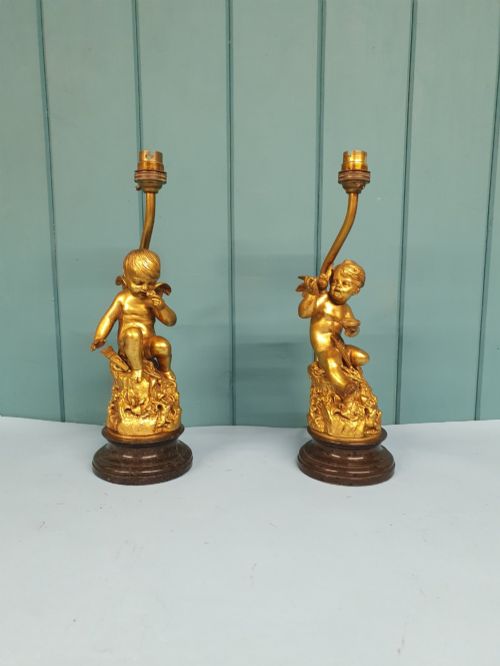
The selections encountered most frequently on this page include cast brass figures, spelter castings, and porcelain bodies mounted in gilt bronze or brass. Many examples integrate figural subjects such as cherubs, classical figures, or animals directly into the structural support of the lamp.
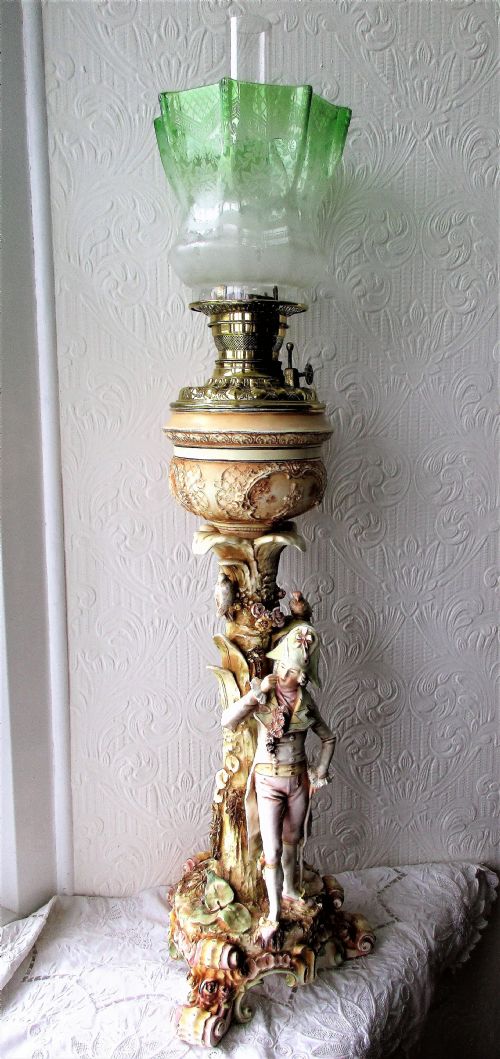
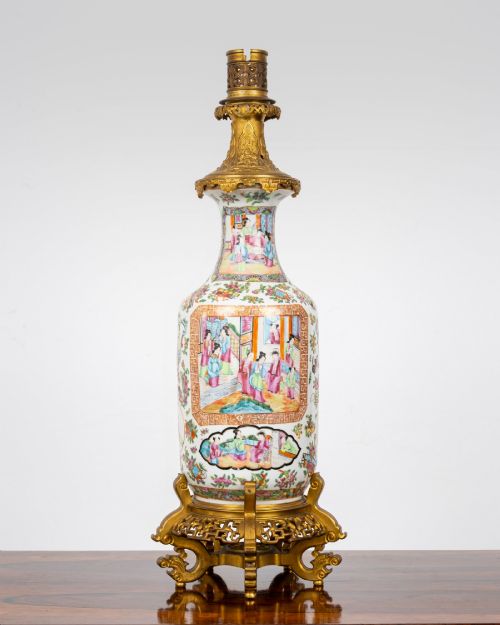
Origins vary across English, French, German, and Asian traditions, encompassing European foundry work alongside Chinese export porcelains adapted with brass mounts. Buyers encounter both converted oil lamps and electric table lamps created across the Victorian, Edwardian, and later periods.
Quality distinctions
Sculptural definition separates finer examples from standard production, as master modelers achieved sharper facial expressions, clothing folds, and anatomy in the metal cast. Weaker pieces display softened details and visible seam lines resulting from worn foundry moulds or hurried finishing.
The integration of materials dictates the overall cohesion of the piece, with superior examples showing seamless mechanical joints between the brass mounts and ceramic bodies. Poorer specimens often rely on intrusive fixings or mismatched components assembled long after the original manufacture date.
Listings feature brass figural table lamps spanning the nineteenth century through the nineteen-twenties, incorporating porcelain, marble, and frosted glass elements.
L & F Moreau·Karl Ens·Anton Buschelberger·Sitzendorf
The Brass Figural Table Lamp Glossary
- Spelter
- A zinc alloy commonly utilised as a less expensive alternative to bronze for figural castings. It accepts patination well but requires careful handling due to its relative softness.
- Gilt bronze
- Copper alloy treated with a layer of gold to produce a durable and lustrous metallic finish. This technique appears frequently on French and English neoclassical mounts.
- Famille rose
- A palette of Chinese porcelain enamels dominated by opaque pink or rose colours. Pieces decorated in this style were frequently exported to Europe and later converted into lamps.
- Regency
- A British design period spanning the early nineteenth century characterised by classical motifs and revivalism. Lamps from this tradition often incorporate heroic figures or architectural elements.
Brass Figural Table Lamp: Frequently Asked Questions
Are these lamps converted from oil lamps?
Many examples began life as burning lamps fueled by oil before receiving electrical wiring during subsequent decades. This history accounts for the central vertical channels and burner assemblies found on numerous nineteenth-century specimens.
Collectors appreciate this evolutionary aspect because it preserves the original vessel and mountings whilst adapting the object for modern interior use. Professional conversion work ensures the wiring meets current safety standards without altering the antique body.
How do I identify spelter from bronze?
Spelter is significantly lighter than bronze and tends to feel softer to the touch beneath any applied patination. A small scratch in a hidden area often reveals a greyish or silvery metal underneath the surface finish.
Foundries used spelter extensively for decorative figures because it cast easily and cost less than copper alloys. Understanding this distinction helps buyers evaluate the age and manufacturing origin of figural bases.
What styles are common in these lamps?
The selection encompasses revivalist aesthetics including French Rococo, English Regency, and classical mythological themes. Art Nouveau and Art Deco designs also appear prominently among pieces from the late nineteenth and early twentieth centuries.
These diverse stylistic influences reflect the changing tastes of European and American interiors across successive decades. Each movement brought distinct sculptural forms and decorative motifs to domestic lighting.
How should I clean antique brass bases?
Gentle dusting with a soft, dry cloth preserves the aged patination that collectors value on antique metalwork. Avoid abrasive polishes or chemical cleaners that can strip away original surface treatments and historical character.
Maintaining the natural patina ensures the object retains its visual depth and integrity over time. Professional conservation is rarely necessary unless structural components require stabilization.