


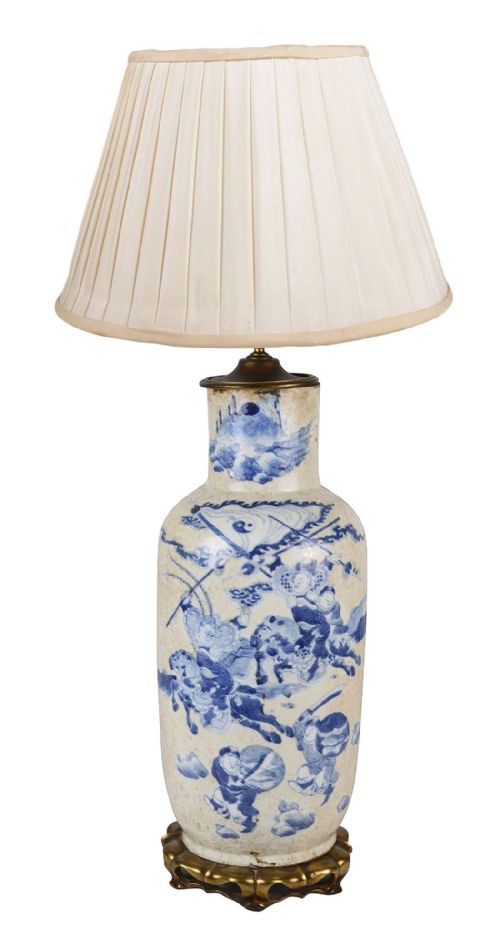


Porcelain Figure Lamp
These porcelain figure lamp examples bring sculptural presence and soft illumination to a room, uniting figurative ceramics with functional lighting.
Porcelain Figure Lamp
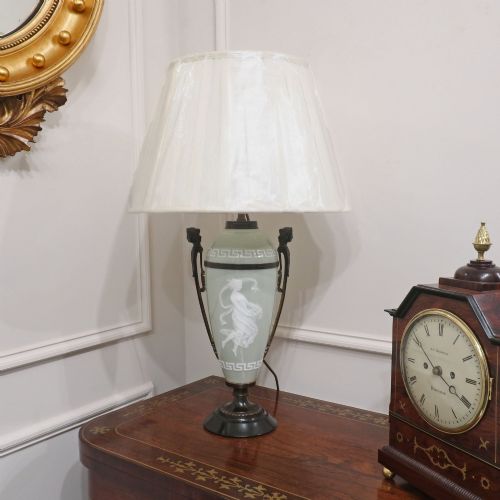
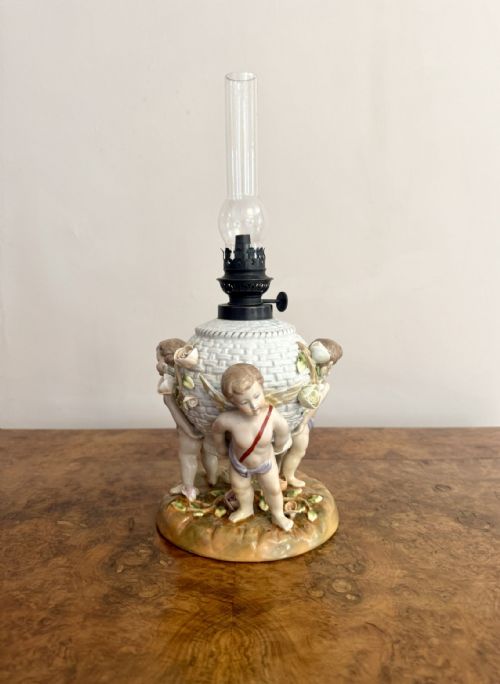
A porcelain figure lamp combines figurative ceramics with functional lighting, taking the form of table lamps and oil lamps that transform antique figures and vases into illumination. When you search for porcelain figure lamp designs, you encounter pieces originating from the nineteenth century up through the Art Deco period.
The selection ranges from European factories producing neoclassical and Victorian models to Chinese export wares and turquoise glaze figures. Continental makers such as Sitzendorf and Karl Ens appear alongside English works associated with Royal Worcester and Minton.
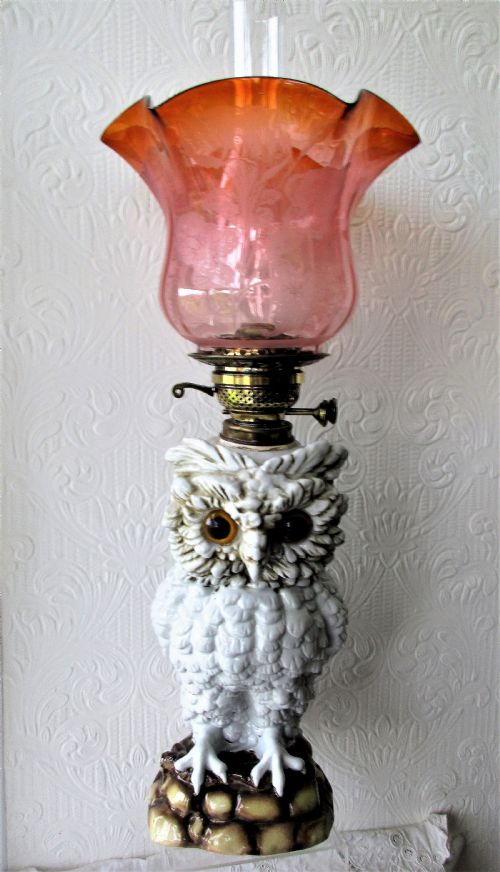
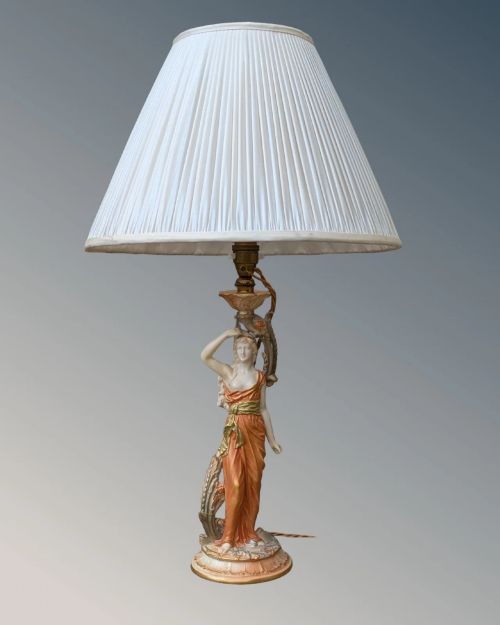
Makers adapted ceramic vases, animal sculptures, and human figures into lamps, mounting them with brass, bronze, and gilt bronze elements. Fabric and silk shades often accompany these bodies, completing the transformation from decorative ceramic to functional light source.
Distinguishing quality in figures and mounts
The weight and finish of the brass, bronze, or gilt bronze fittings indicate the standard of construction. Original matching pairs and well-preserved surface conditions elevate certain examples above standard conversions.
Spitz dogs and wide-eyed owls stand ready to illuminate your parlour.
Sitzendorf·Royal Worcester·Karl Ens·Anton Buschelberger·Minton·Fasold Stauch·Samuel Alcock
The Porcelain Figure Lamp Glossary
- Pate sur pate
- A porcelain decoration technique where successive layers of slip are built up in relief to create a cameo-like design. This painstaking method allows light to partially pass through the thinner areas of the applied design.
- Famille rose
- A palette of Chinese porcelain enamels dominated by opaque pink or rose colours, introduced in the Qing dynasty. The style appears on export wares adapted into lighting.
- Famille verte
- A green-dominated palette of enamel colours used on Chinese porcelain during the Qing dynasty. Pieces utilising this style often feature botanical and figurative scenes.
- Parian ware
- A fine-grained unglazed biscuit porcelain developed in the nineteenth century to imitate marble. Figures in this material were frequently utilised for sculptural groups and later adapted as lamp bases.
- Gilt bronze
- Bronze that has been treated with a layer of gold or gold amalgam to impart a metallic golden surface. It frequently frames the base or mount of continental lamps.
Porcelain Figure Lamp: Frequently Asked Questions
Are these lamps converted from old vases?
Many examples began life as decorative vases, figures, or sculpture groups before being adapted into lamps. Makers often mounted these ceramic pieces onto metal bases to accommodate electrical fittings.
Some items retain their original oil lamp mechanisms from the nineteenth century, while others underwent conversion for table use later on.
How do I date a porcelain figure lamp?
Dating relies on stylistic clues, factory marks stamped or painted on the ceramic base, and the character of the metal mounts. Nineteenth-century pieces often display Victorian or French Neoclassical aesthetic traits.
Later works from the 1920s tend to exhibit Art Deco geometric lines or simpler, stylised modelling characteristic of that decade.
What is the difference between French and German models?
German factories like Sitzendorf often produced whimsical or highly detailed figurative porcelain, including animals and human characters in Rococo revival styles. French pieces frequently lean towards Neoclassical forms paired with gilt bronze mounts.
Both traditions utilised high-fired porcelain, but the sculptural focus and metalwork finishing reflect their respective regional workshops.
Can I use modern lamp shades with them?
Modern shades suit these lamps provided the proportions and fitter sizes align with the existing hardware. Silk and fabric shades echo the historical pairing of textiles with ceramic bodies.
Care should be taken to select shades that do not overwhelm the delicate modelling of the porcelain figure beneath.