


1930s Bedroom Furniture
These 1930s bedroom furniture pieces combine striking geometric forms with rich figured timbers to anchor a period interior.
1930s Bedroom Furniture
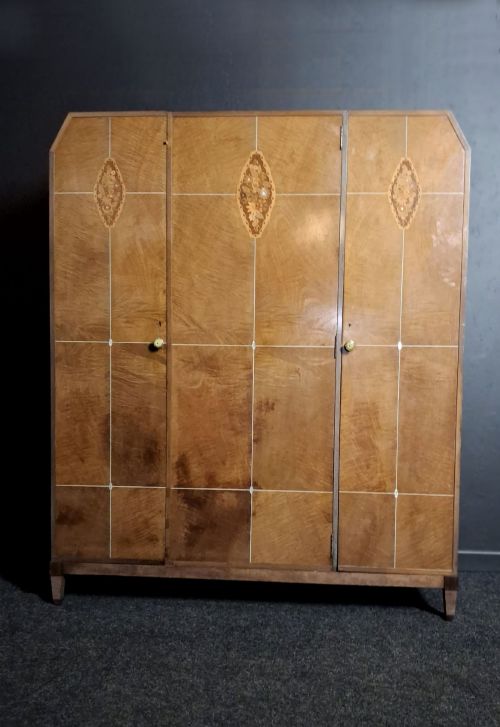
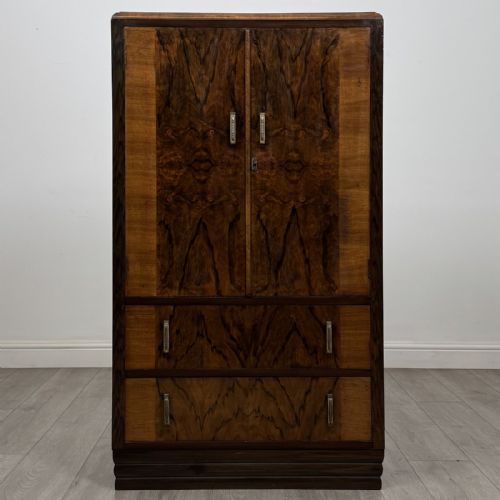
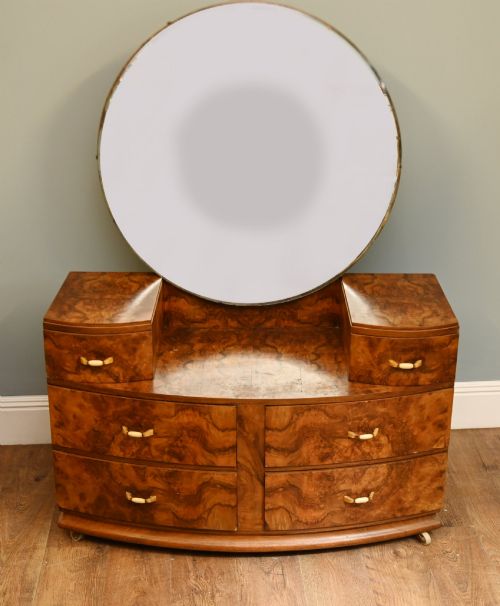
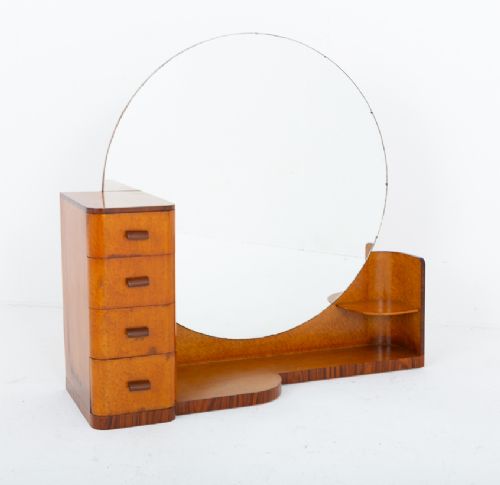
1930s bedroom furniture encompasses complete suites alongside individual chests of drawers, wardrobes, dressing tables, beds, and bedside cabinets. The selection leans heavily toward Art Deco aesthetics, featuring distinct stylistic variations from English, French, and Scandinavian workshops.
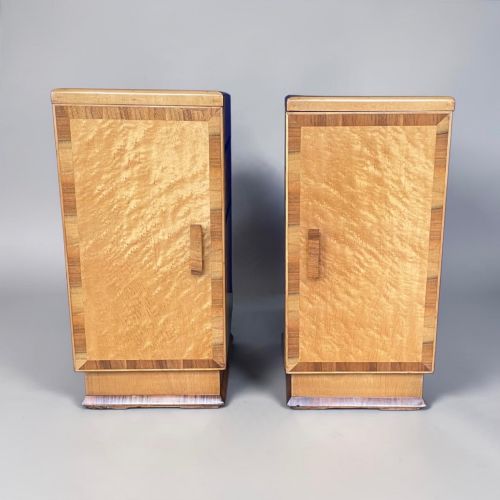
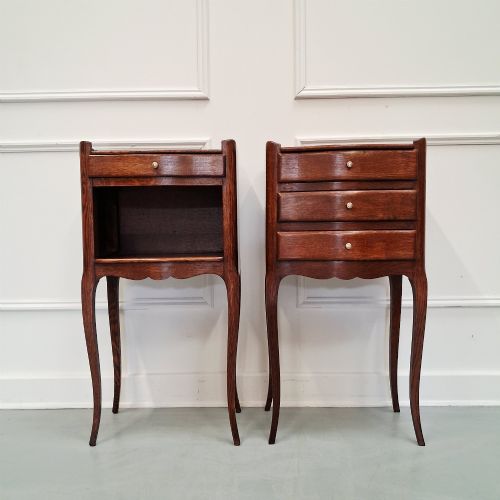
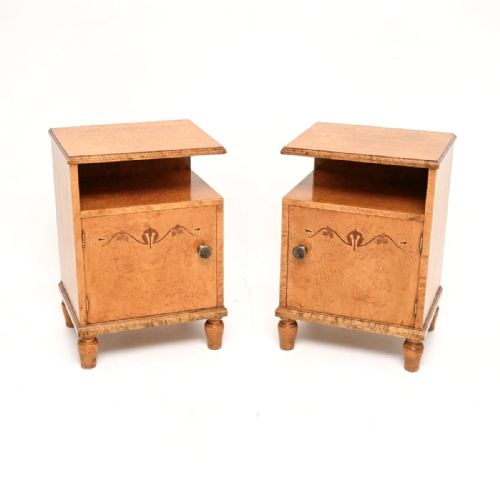
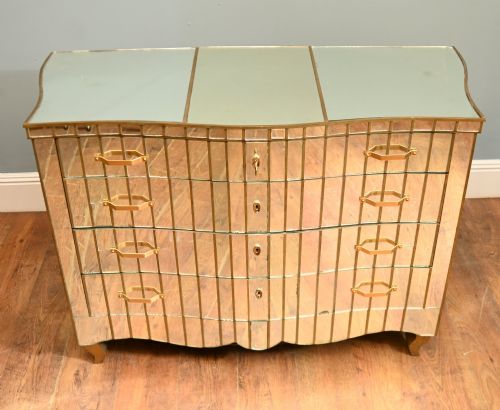
Buyers will frequently encounter matching pairs of bedside tables, mirrored commodes, and vanity pieces. Pieces span related periods like the Edwardian era and the 1920s, alongside Revival styles.
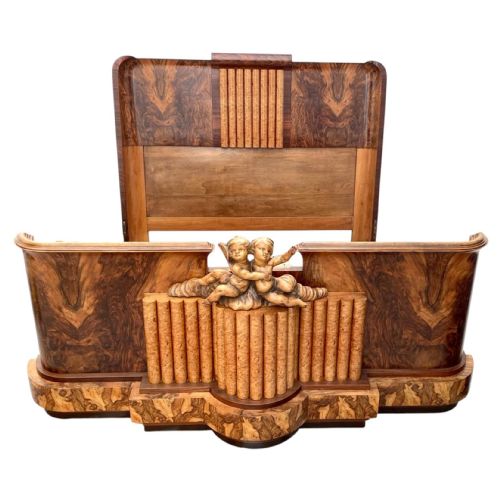
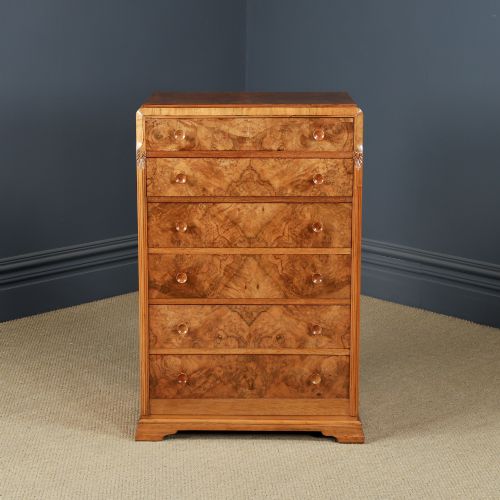
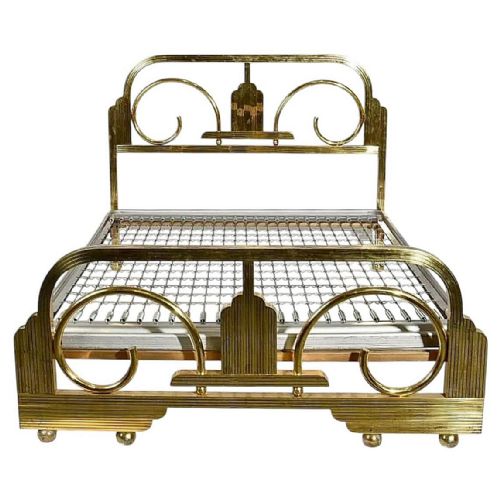
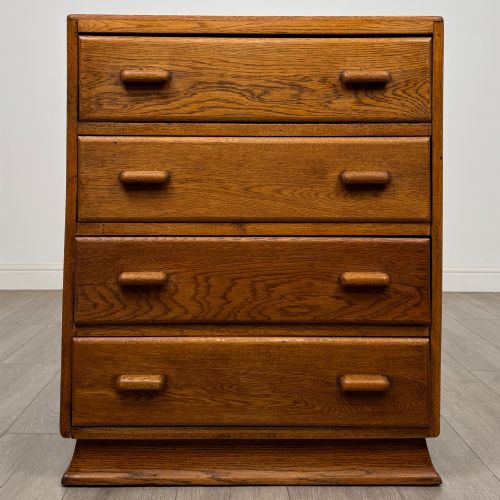
Form follows the functional demands of the interwar bedroom, offering generous storage through tall chests and pedestal dressing tables. Beds range from double proportions to single frames designed with architectural headboards.
Materials and construction methods
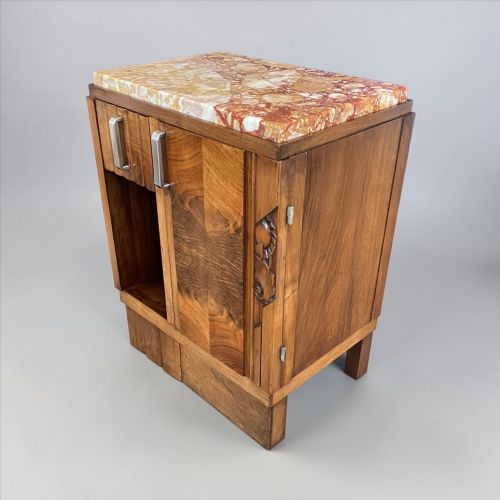
Walnut dominates construction, utilised both as solid timber and as decorative veneer, often selected for burr, figured, or bleached blonde grains. Other significant woods include oak, satinwood, sycamore, birch, and maple, paired occasionally with metal and brass elements.
Veneers are applied to emphasise symmetrical grain patterns, particularly on drawer fronts and wardrobe doors. Specialised treatments include liming on oak and parchment covering on select drawer panels.
1930s Bedroom Furniture Retail Price Guide 2026
Typical asking prices for 1930s bedroom furniture among the pieces listed under this phrase on Sellingantiques today, from the lower quarter to the upper quarter. They describe what is for sale here now, not the wider market.
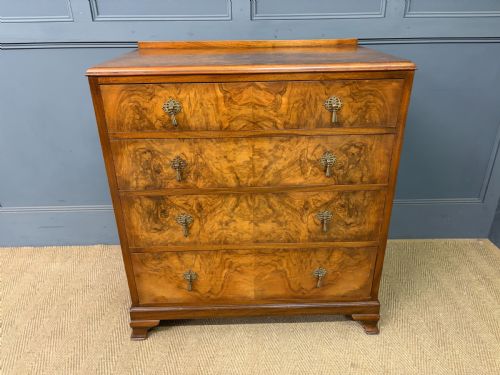
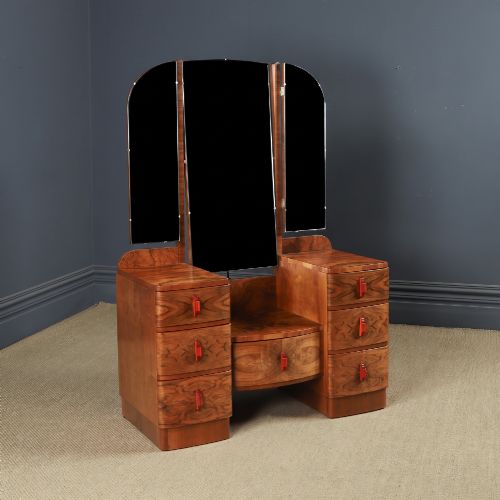
Listings feature extensive use of burr walnut, figured walnut, and satinwood veneers applied to Art Deco chests of drawers and dressing tables.
Factors that distinguish quality
Quality rests upon the selection and matching of wood veneers across prominent surfaces like wardrobe doors and chest drawer fronts. Highly figured burr walnut, birds eye maple, and contrasting satinwood elevate the visual impact of a piece.
Execution of distinctive forms, such as skyscraper profiles, Odeon silhouettes, and specialised hardware like original wooden or brass handles, separates standard production from superior examples.
Hille·Waring & Gillow·Heal & Sons·Frank Taylor & Co.·Bath Cabinet Makers·Harry & Lou Epstein
The 1930s Bedroom Furniture Glossary
- Burr Walnut
- A timber figure characterised by swirling grain patterns caused by tree growths, highly prized for decorative veneer work on drawer fronts and cabinet doors.
- Commode
- A low chest of drawers or cabinet, frequently mirrored or fitted with specialised compartments in Art Deco bedroom suites.
- Limed Oak
- Timber treated with a specialised finish that leaves a white pigment in the open grain, creating a pale, textured surface seen in interwar furniture.
- Pedestal Dressing Table
- A vanity unit featuring twin banks of drawers supporting a central mirror and writing surface.
- Veneer
- A thin layer of finely figured wood applied over a secondary timber base to create decorative exterior surfaces.
1930s Bedroom Furniture: Frequently Asked Questions
How do I identify Art Deco beds?
Art Deco beds typically present clean geometric lines, architectural headboards, and symmetric wood veneers. They rely on contrasting timbers like walnut and satinwood rather than carved ornamentation.
Look for distinctive silhouettes, including skyscraper or Odeon designs, that define the period's sleeping quarters.
What woods were used in 1930s furniture?
Makers utilised a variety of domestic and exotic timbers, with walnut serving as the primary material. Burr walnut, figured walnut, and bleached blonde walnut appear frequently across wardrobes and chests.
Additional materials include oak, satinwood, birch, sycamore, maple, and occasional parchment accents.
Are bedside cabinets usually sold in pairs?
Many bedside cabinets and tables from this era survive and are offered as matching pairs. These pieces frequently mirror the wood grains and hardware of larger accompanying wardrobes and dressing tables.
Single cabinets also appear, often purchased as standalone accent pieces.
How do I care for walnut veneer?
Walnur veneer requires protection from direct sunlight and excessive moisture to prevent fading and lifting. Regular dusting with a soft, dry cloth preserves the polished surface.
Avoid placing items that retain heat or moisture directly on the wood.