




1930s Bed Frame
A 1930s bed frame brings striking geometric lines and rich figured woods into the bedroom, offering an authentic period centrepiece for a modern interior.
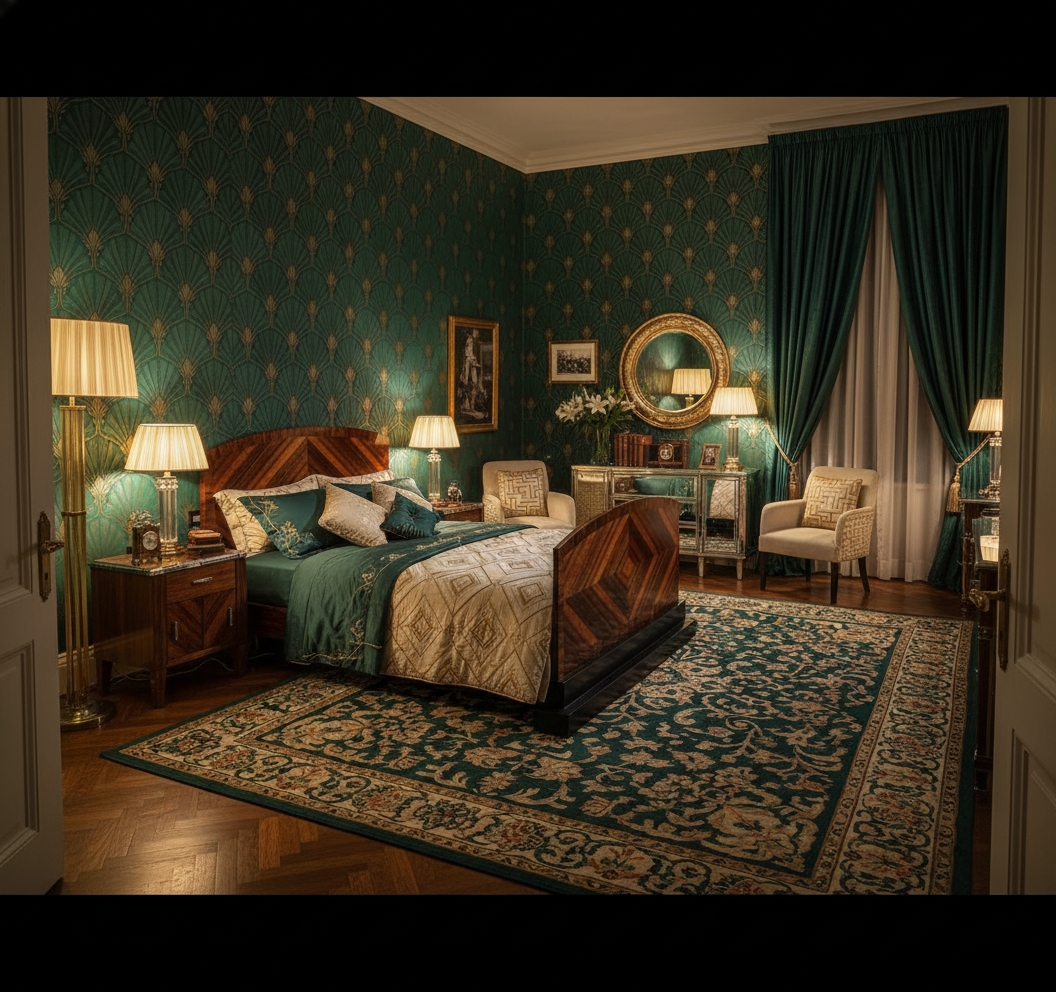
1930s Bed Frame
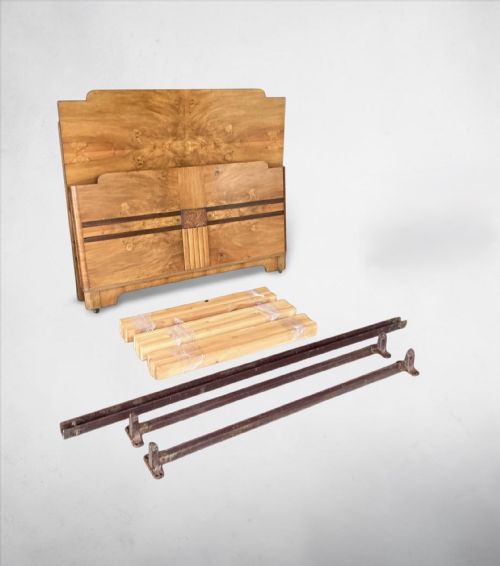
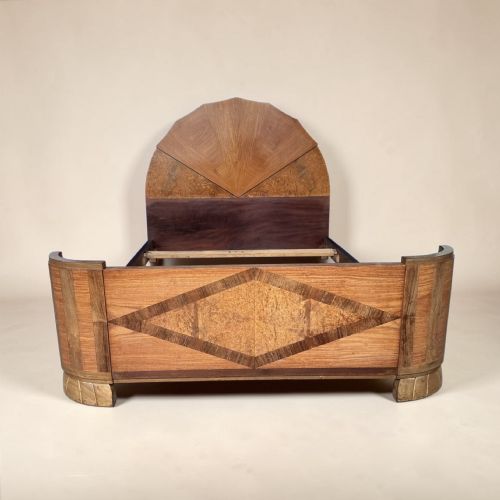
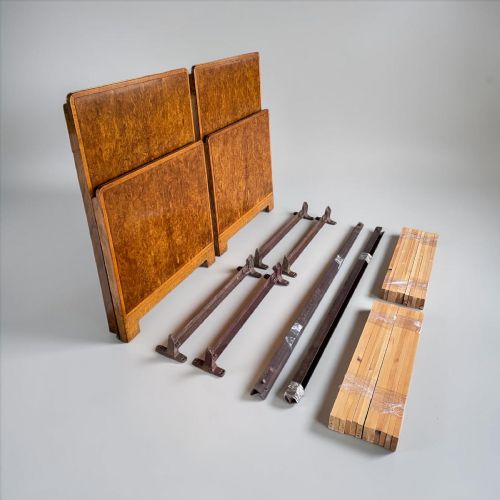
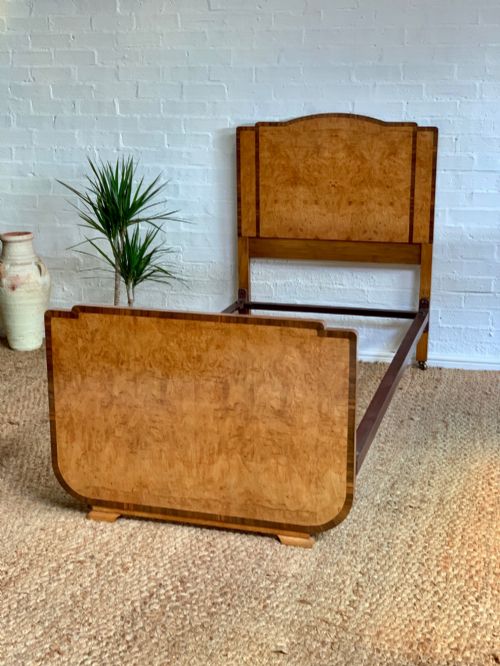
A 1930s bed frame encompasses substantial double beds, single beds, and pairs designed in the distinct aesthetic of the interwar decades. Buyers will frequently encounter walnut and burl walnut constructions, often shaped in sweeping Art Deco forms or simpler architectural outlines.
The selection ranges from French double beds to English single frames, occasionally incorporating integral bedside tables or matching nightstands. Most examples adhere to the Art Deco style, though earlier Arts and Crafts influences and occasional Victorian hybrids appear across the listings.
Makers working during this era utilised architectural silhouettes, fan-shaped headboards, and streamlined skyscraper profiles to define the sleeping quarters. Single and double formats dominate, alongside occasional king size proportions built for grander chambers.
What varies in quality
The distinction between standard production pieces and masterworks rests in the selection of veneers and the intricacy of the cabinet-making. Heavily figured timbers, book-matched grains, and complex curvilinear forms indicate higher workshop standards.
Integrity of design also separates pieces, particularly where bedside tables or cabinets are built directly into the bed frame as a unified architectural composition. Named designers and bespoke makers elevate certain frames through superior proportions and meticulous timber selection.
Several beds arrive with their own bedside tables bolted straight on, proving that breakfast in bed was taken very seriously.
Stanley Webb Davies·Oliver Morel·Waring & Gillow·Betty Joel·Heal's
The 1930s Bed Frame Glossary
- Art Deco
- A design style characterised by sleek geometric shapes, streamlined forms, and lavish materials that dominated the interwar period. It remains the defining aesthetic for the majority of frames from this decade.
- Veneer
- A thin slice of figured wood applied over a stable base timber to display dramatic grain patterns. Burr and burl varieties provide the highly mottled textures seen on luxury bed frames.
- Satinwood
- A durable hardwood yielding a lustrous, yellow-toned surface often utilised in contrasting borders or primary panels. It brings a bright, blonde finish to select interwar sleeping furniture.
- Skyscraper
- A stepped architectural motif inspired by interwar urban architecture, translated into bedroom furniture design. This profile creates dramatic vertical emphasis on headboards and integrated cabinetry.
- Bedstead
- A traditional term for the complete framework of a bed, including headboard, footboard, and side rails. It distinguishes the architectural structure from the mattress and base insert.
1930s Bed Frame: Frequently Asked Questions
Will a 1930s bed frame fit modern mattresses?
Many vintage bed frames were built to historical sizing conventions, which often differ slightly from contemporary standard mattress dimensions. Buyers should check the internal length and width specifications carefully before pairing a frame with a modern mattress.
Some platforms and rails may require minor adaptation or custom support slats to securely accommodate modern pocket-sprung or foam mattresses without damaging the original timber side rails.
How do I identify an Art Deco bed frame?
Art Deco bed frames typically display symmetrical geometric motifs, curved waterfall edges, and stepped skyscraper profiles. The extensive use of figured walnut, bird's eye maple, and contrasting wood veneers further signals this design era.
Unlike heavier Victorian predecessors, these frames favour streamlined silhouettes and clean horizontal or vertical lines that emphasise the natural grain of the polished wood.
Did 1930s beds come with attached furniture?
Numerous interwar bed frames incorporated built-in bedside tables, shelving units, or matching cabinets attached directly to the headboard structure. This architectural approach created a unified bedroom suite designed to maximise space and aesthetic cohesion.
Such integrated designs are particularly prevalent in pieces featuring maple or walnut veneers, reflecting the period's preference for fitted and multi-functional domestic interiors.
How should I care for walnut veneer?
Walnut and burr walnut veneers require protection from direct sunlight and extreme humidity fluctuations to prevent fading and lifting of the delicate wood layers. Regular dusting with a soft, dry cloth maintains the polished surface without introducing moisture.
Application of appropriate specialist waxes sparingly can nourish the grain, but modern chemical sprays should be avoided to preserve the historic finish of the timber.