
1930s Art Deco Cupboard
A 1930s art deco cupboard brings distinct geometric lines and rich timber grains into a room, offering practical storage with striking twentieth-century character.
1930s Art Deco Cupboard
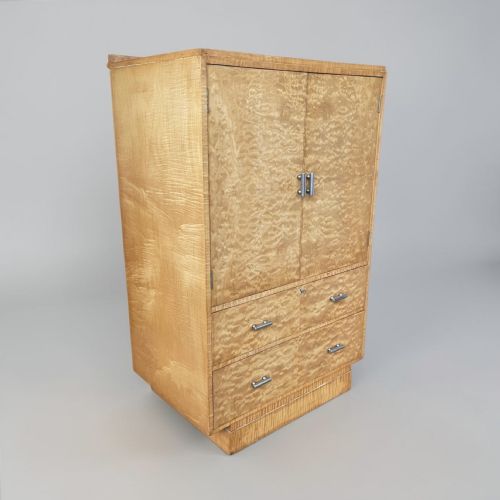
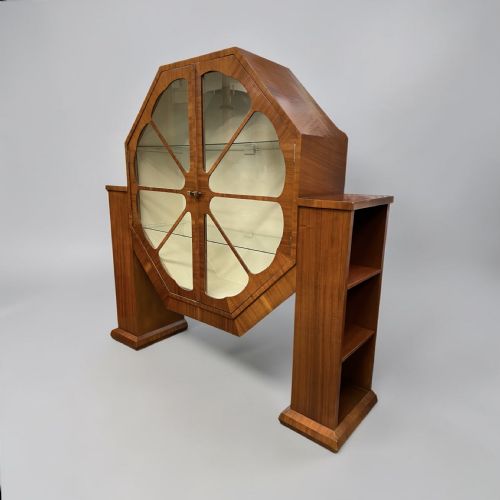
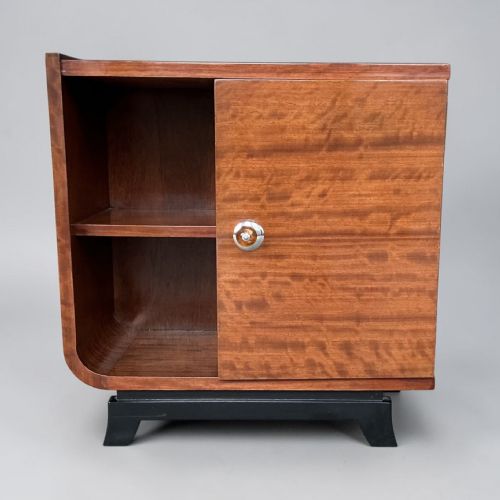
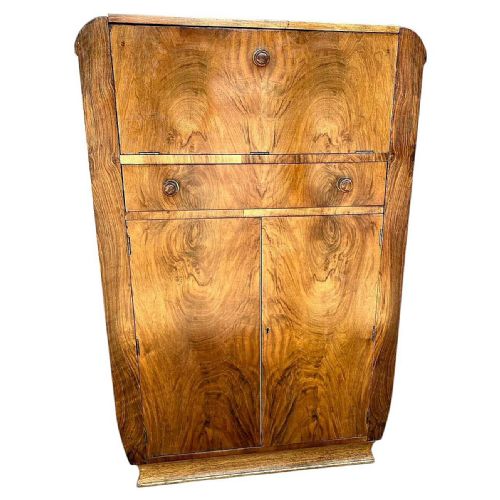
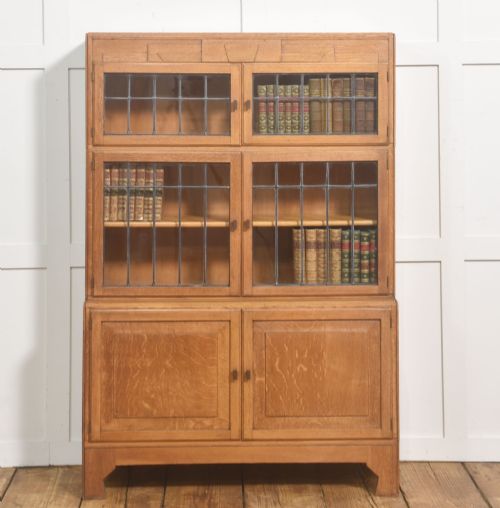
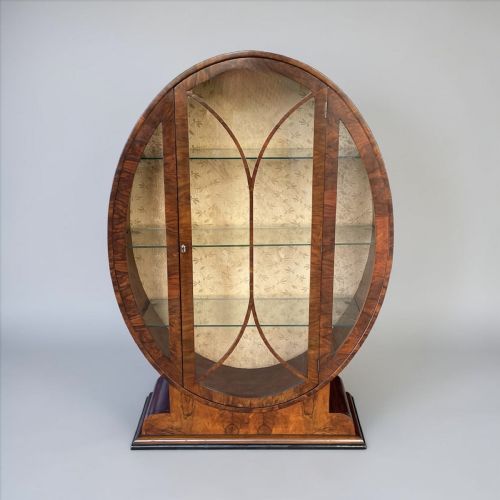
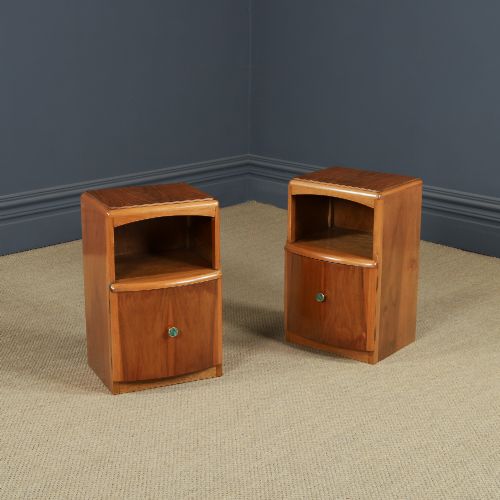
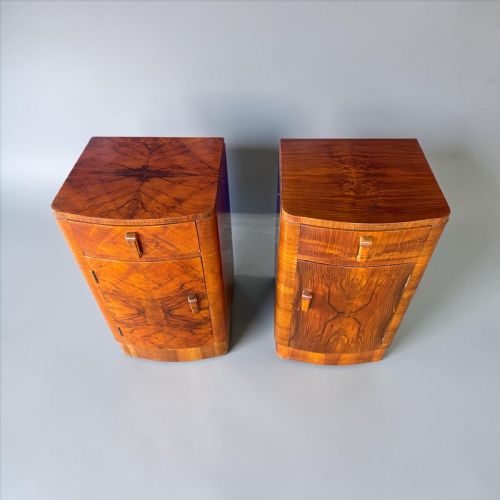
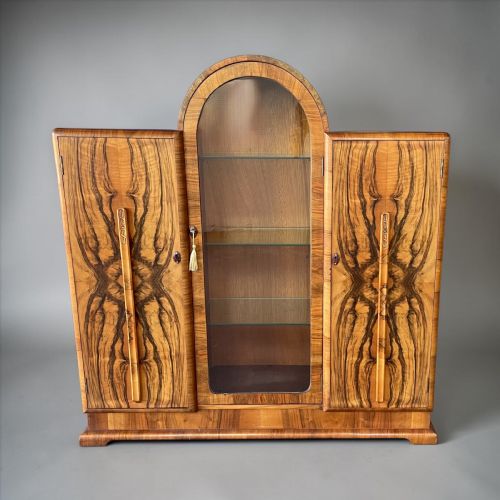
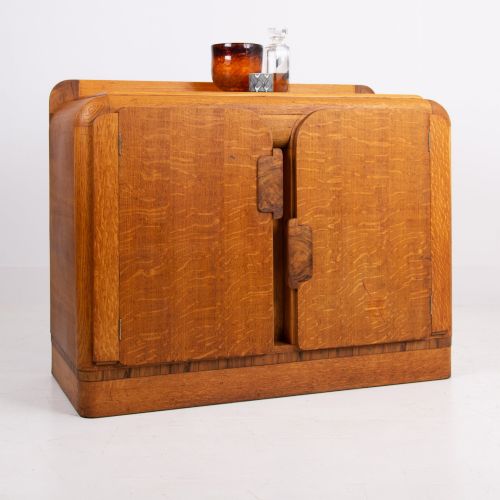
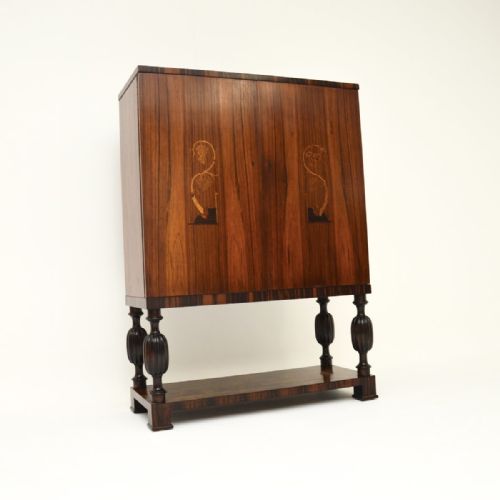
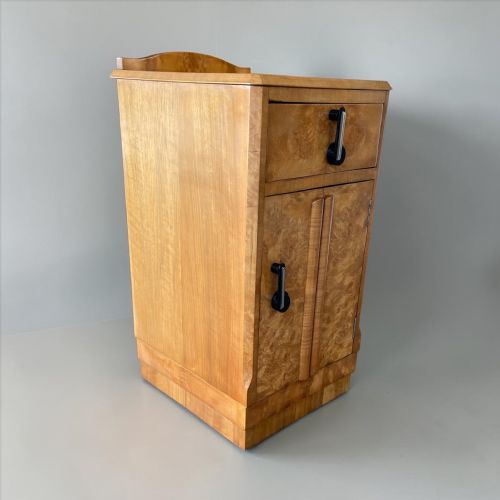
A 1930s art deco cupboard encompasses a variety of forms designed for storage and display, appearing frequently as bedside cabinets, tallboys, cocktail cabinets, and display units. These pieces serve functional purposes while defining a room through distinct period aesthetics.
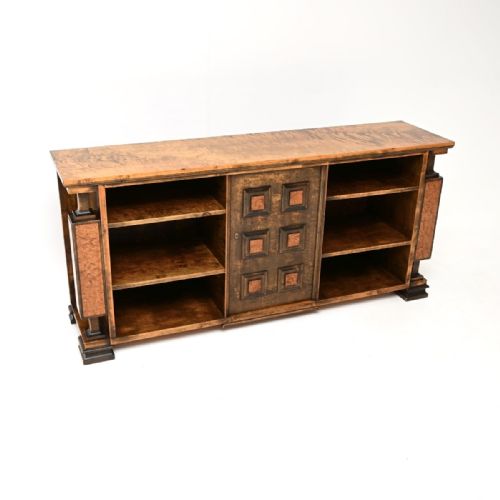
The selections span predominantly from the 1930s, alongside examples from the 1920s, 1940s, and Edwardian periods. Swedish Grace and Art Deco Modernist styles sit alongside traditional forms such as the Queen Anne Revival.
Origin variations include English, French, and Swedish pieces, reflecting diverse regional interpretations of the aesthetic. Buyers encounter everything from compact bedside tables to large triple wardrobes and compactum units.
Materials and construction
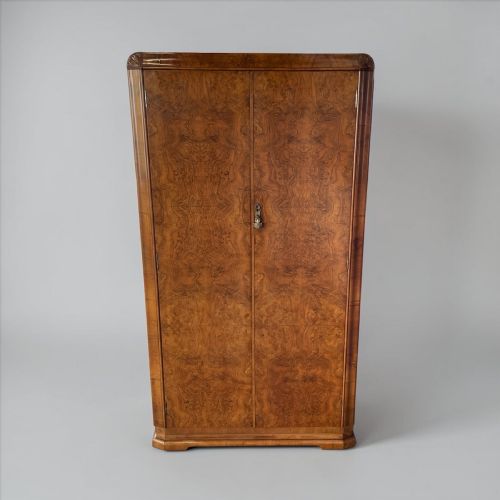
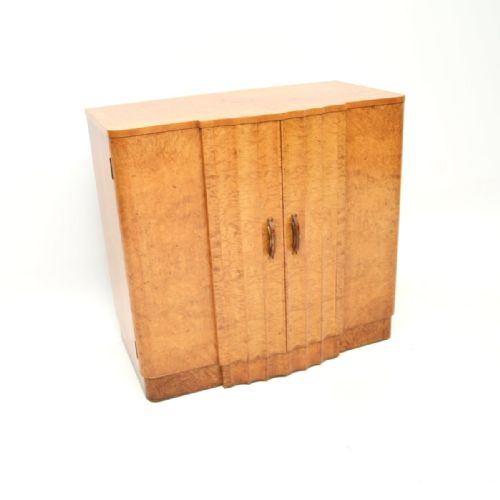
Walnut and burr walnut dominate the evidence, frequently paired with secondary timbers like oak, mahogany, maple, satin birch, satinwood, and rosewood. These woods are selected for their prominent grain patterns and warm tones.
Surface decoration incorporates marquetry, parchment inlay, and lacquered Chinoiserie finishes. Metal accents in brass alongside glass panels, leaded glass, and bakelite hardware complete the construction details.
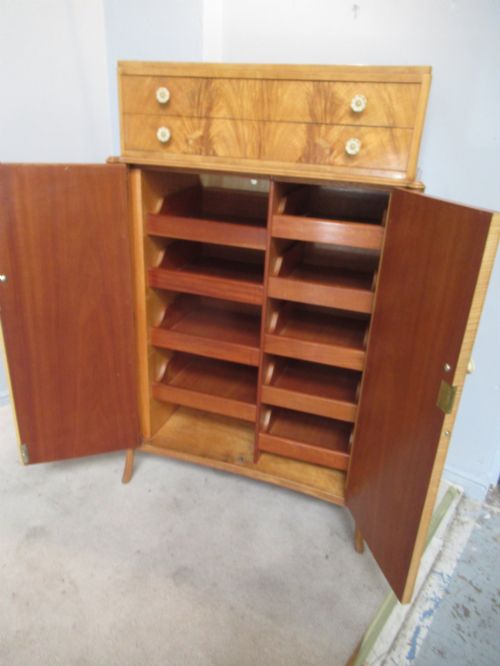
Sheet music cabinets hide miniature vertical partitions inside, designed originally to keep compositions crisp before the radio took over the living room.
Indicators of quality
The selection of veneer work dictates visual impact, with figured walnut and burr walnut requiring precise matching across doors and drawer fronts. Superior pieces exhibit seamless grain continuity that enhances the geometric lines typical of the style.
Material integration separates standard production from finer cabinet-making. The inclusion of specialised elements like parchment inlays, hand-applied lacquer, and quality brass or bakelite hardware elevates the execution of the piece.
Harry and Lou Epstein·Gomme·Walter Carter Harrods·Maurice Jallot·F.H. Marshall & Co Glasgow
The 1930s Art Deco Cupboard Glossary
- Burr walnut
- A figured timber obtained from walnut tree growths, valued for its swirling grain patterns. It provides a decorative surface on cabinet doors and drawer fronts.
- Compactum
- A multi-functional wardrobe or storage cabinet designed to hold various types of clothing within a single unit. These often combine hanging space, shelves, and drawers.
- Tallboy
- A tall chest of drawers standing on a base or higher than it is wide, offering vertical storage. They appear in oak and mahogany across the period.
- Marquetry
- The art of applying pieces of veneer to a structure to form decorative patterns and pictures. This technique decorates the surfaces of cocktail cabinets and sideboards.
- Swedish Grace
- A style bridging neoclassical forms and early modernism, characterised by elegance and restraint. It appears in satin birch and walnut cabinetwork.
1930s Art Deco Cupboard: Frequently Asked Questions
What is a compactum wardrobe?
A compactum is a large multi-functional storage piece that combines hanging space, shelving, and drawers within one unified frame. It provides comprehensive clothing storage while maintaining a streamlined exterior profile.
These pieces often utilise figured walnut or satin birch to emphasise their architectural proportions and surface grain.
How do I identify a cocktail cabinet?
Cocktail and drinks cabinets typically feature specialised internal fittings for glassware, bottles, and mixing surfaces. They frequently showcase decorative exterior treatments such as burr walnut, marquetry, or lacquered Chinoiserie.
Drop-down flaps often reveal mirrored interiors designed specifically for entertaining.
Where were these cabinets made?
The pieces originate from workshops and makers across England, France, and Sweden. Each region applied distinct stylistic interpretations to the era's furniture design.
English firms produced notable walnut and oak pieces, while French and Swedish makers utilised exotic veneers like satin birch and rosewood.
What timber was most commonly used?
Walnut and burr walnut are the most prevalent timbers seen across these listings. Cabinet-makers favored them for their rich colour and decorative grain patterns.
Oak, mahogany, maple, and satinwood also appear frequently, often selected for specific regional styles or interior structural elements.