




1930s Art Deco Bowl
A 1930s art deco bowl brings geometric rhythm and striking modernist flair to a room, offering both decorative presence and practical utility.
1930s Art Deco Bowl
A 1930s art deco bowl is a piece of tableware or decorative object defined by the streamlined aesthetics and symmetrical motifs of the period. These items bridge the gap between ornamental display and domestic use.
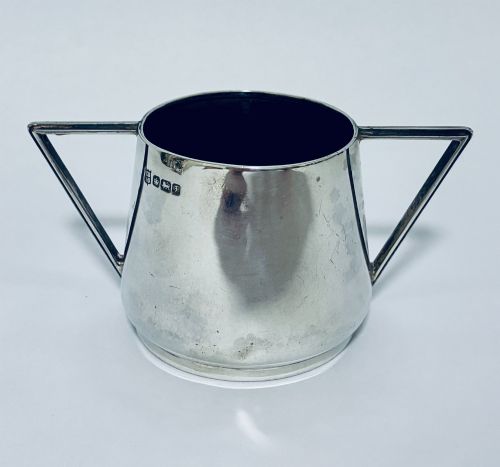
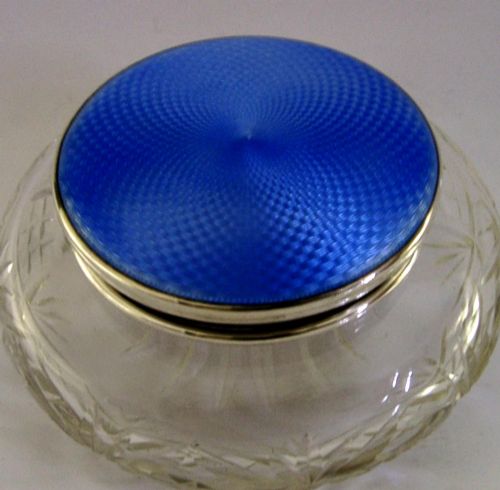
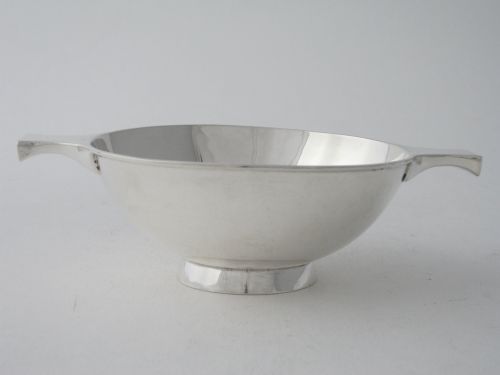
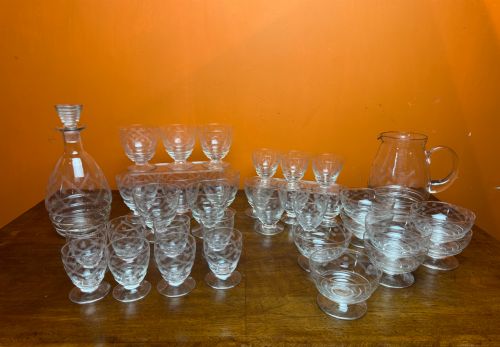
You will encounter these pieces rendered in moulded glass, glazed ceramic, and sterling silver with enamel accents. The forms range from shallow open vessels to deep fruit bowls and lidded trinket boxes.
Many examples hail from French and British workshops, reflecting a diverse international response to modern design. The aesthetic embraces both minimalist clarity and rich surface pattern.
Materials and construction
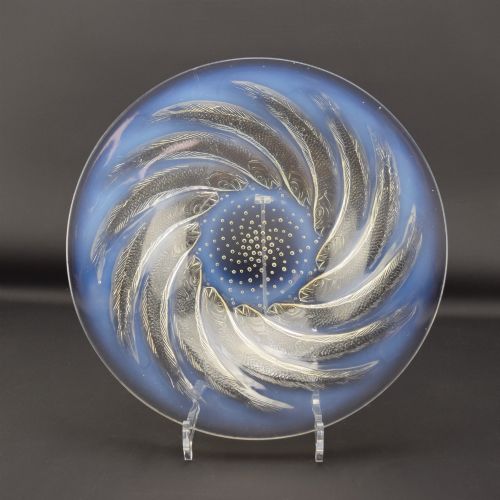
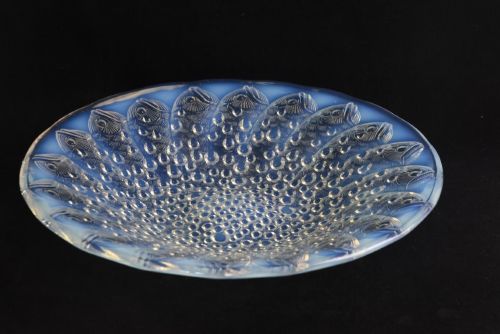
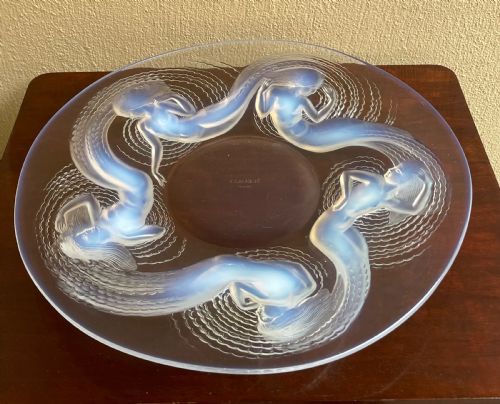
Moulded and pressed glass techniques allowed makers to achieve opalescent finishes and frosted reliefs. Molten material entered carved metal moulds to produce sharp geometric patterns and sculptural motifs.
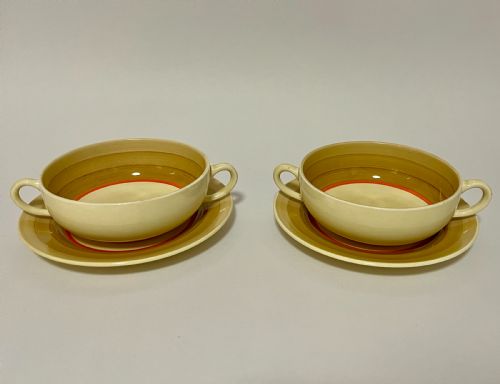
Ceramic pieces relied on slip casting and vibrant hand-painted glazes to create bold earthenware shapes. Silver vessels involved traditional smithing methods combined with applied enamel details.
Listings feature opalescent glass, sterling silver, and glazed ceramic as the primary materials for these bowls.
Assessing quality and execution
The distinction between standard production and superior craftsmanship rests upon the crispness of the mould and the depth of the finish. High-tier glasswork exhibits a pronounced opalescence and sharp relief detail.
In ceramic and silver pieces, the precision of the painted pattern and the weight of the metal determine the grade. Finer items demonstrate careful finishing without distortion in the shape.
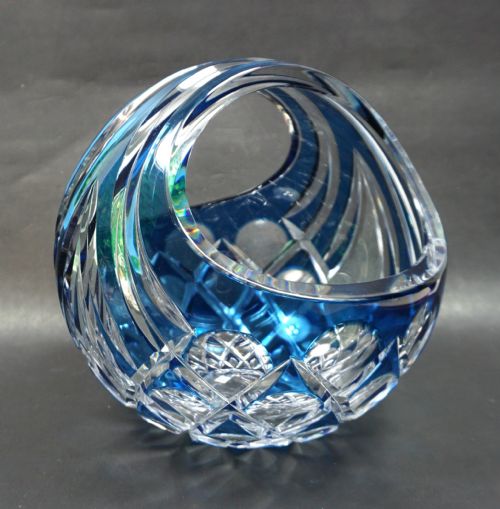
Rene Lalique·Clarice Cliff·Val St Lambert·Maling·Graystan
The 1930s Art Deco Bowl Glossary
- Opalescent glass
- Glass that displays a milky, translucent quality with shifting tones of blue and amber under light. This effect is achieved through the addition of specific chemical agents during melting.
- Coupe ouverte
- An open bowl form frequently utilised in French glass production of the period. These shallow vessels showcase moulded animal or floral motifs across the interior.
- Sterling silver
- An alloy consisting of silver and other metals to ensure durability in tableware. British hallmarks on these pieces indicate the assay office and year of manufacture.
- Enamel
- A glassy substance fused to metal surfaces through high-temperature firing. It provides vibrant colour accents on silver pots and dressing table items.
- Plafonnier
- A ceiling-mounted bowl light fixture designed to sit flush against the surface. These fixtures diffuse illumination through pressed or frosted glass.
1930s Art Deco Bowl: Frequently Asked Questions
Where were these bowls made?
Production centres were concentrated in France and Britain, alongside notable output from Belgian and Scottish glasshouses. Each region brought distinct techniques to the design.
French makers focused heavily on opalescent pressed glass, while British factories often produced earthenware ceramics and sterling silver tableware.
How do I identify the period?
Examine the piece for characteristic geometric motifs, stylised floral reliefs, and typical material compositions like frosted or opalescent glass. Silver examples often carry date letters and assay office marks.
Stylistic cues such as streamlined curves and symmetrical patterns align directly with the design vocabulary of the era.
How can I display these bowls?
Place them on dining tables, sideboards, or dressing surfaces as standalone decorative centrepieces. Ensure they sit away from direct edges where accidental knocks might occur.
Allow natural light to strike opalescent and coloured glass versions to highlight their translucent qualities and surface textures.