




Hand Blown Glass Dish
These hand blown glass dish selections bring authentic Georgian, Victorian, and later craft into your home with tactile charm and historical weight.
Hand Blown Glass Dish
When you search for a hand blown glass dish, you are looking at functional and decorative vessels shaped entirely by breath and hand tools rather than modern moulds. The pieces on this page span several centuries, reaching from the eighteenth century through the Victorian era into the early twentieth century.
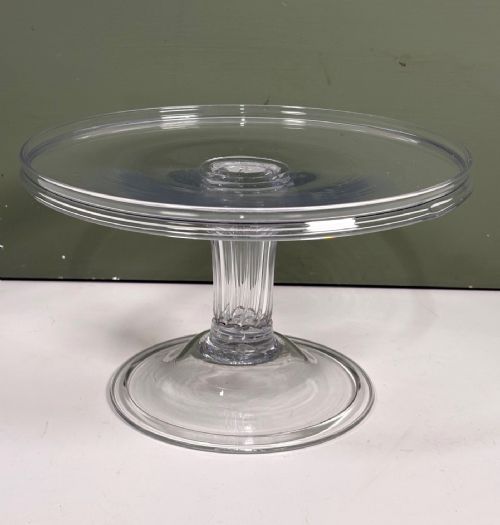
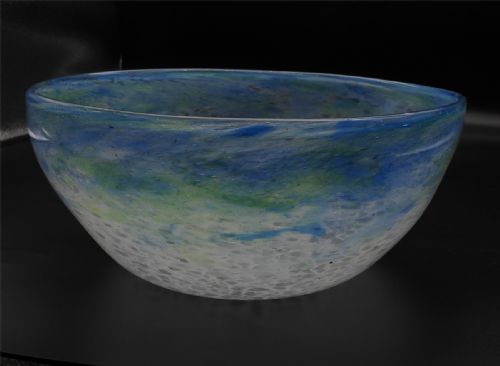
The forms you are most likely to meet here include pedestal tazzas, sugar bowls, patch stands, and decorative bowls. Many examples showcase rich colours such as cranberry and cobalt, alongside clear lead crystal and green glass.
Origins represented in these listings stretch across English and Scottish workshops. Each object carries the distinct marks of its period, whether that is the heavy brilliance of Georgian lead metal or the vibrant hues of later Victorian table settings.
How they were made
The makers of these pieces relied on free-blowing techniques, gathering molten metal on a blowpipe and shaping it with hand tools and wooden blocks. This method requires precise temperature control and skilled breath to achieve the desired wall thickness and form.
Materials range from standard clear glass to lead glass and lead crystal, which allowed craftsmen to produce deeper optical clarity and sharper cutting. Coloured vessels incorporated metallic oxides into the molten batch, creating enduring tones like cranberry and deep blue.
Georgian ladies kept tiny patch stands on hand for holding little velvet beauty spots, proving that eighteenth-century vanity required its own dedicated glassware.
What varies in quality
Quality in these dishes rests on the balance of the form, the weight of the metal, and the control shown at the pontil mark. Superior examples display even thickness across the body and graceful proportions in stems and feet.
The depth and consistency of colour also determine distinction, particularly in cranberry and cobalt pieces where uneven saturation detracts from the visual impact. Crispness in applied details, such as triple-knop stems or terraced feet, separates standard utilitarian wares from finer table pieces.
The Hand Blown Glass Dish Glossary
- Pontil mark
- The rough scar left on the base of a vessel where the punty rod was attached during manufacture. This feature helps confirm traditional hand-blowing methods.
- Tazza
- A shallow ornamental bowl raised on a high foot or pedestal. These pieces were traditionally used for serving sweetmeats or fruit.
- Lead crystal glass
- Glass containing a high proportion of lead oxide, which increases the weight, brilliance, and refractive index of the material. It allows for deeper resonance when struck.
- Patch stand
- A tiny pedestal dish used historically to hold small cosmetic patches worn on the face. They represent some of the smallest and most delicate forms in early glassware.
- Free blown
- Glass shaped by blowing and manipulation without the use of a mould. Every piece displays individual variations in contour and thickness.
Hand Blown Glass Dish: Frequently Asked Questions
How do I clean an antique glass dish safely?
Wash these pieces by hand using lukewarm water and a mild detergent. Avoid sudden temperature changes to prevent thermal shock.
Dry them immediately with a soft lint-free cloth to preserve the surface shine and avoid water spots.
Can I use these dishes for serving food?
Most antique glass dishes can safely hold dry foods, fruit, or sweets. Older lead glass pieces should not store acidic items for long periods.
Hand washing remains essential to protect the historical surface from modern dishwasher detergents.
What is cranberry glass?
Cranberry glass is a red or pink transparent glass coloured by the addition of gold chloride to the molten batch. It became particularly popular during the Victorian period.
Items made in this technique often feature alongside clear glass or silver plate mounts.
How do I tell an 18th century dish from a Victorian one?
Eighteenth century pieces often display heavier lead metal, distinct pontil scars, and simpler forms like knopped stems or folded rims. Victorian examples frequently introduce brighter colours and pressed or pierced metal additions.
Examining the wear on the base and the style of the object helps place it within its period.