




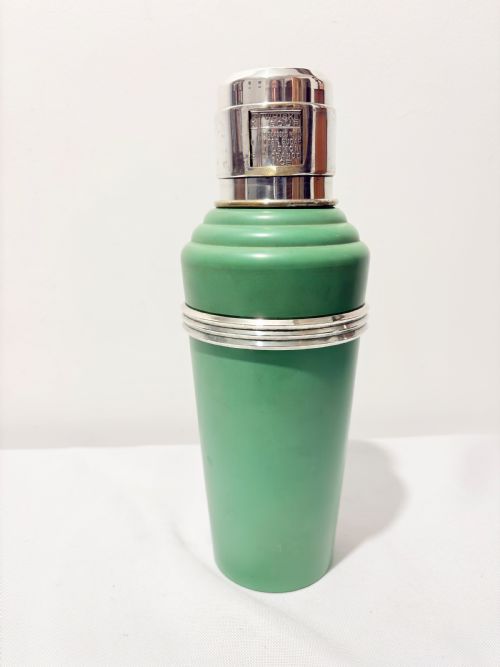


1930s Art Deco Barware
These pieces of 1930s art deco barware bring the unmistakable geometric forms and polished surfaces of the interwar cocktail hour straight to the modern sideboard.
1930s Art Deco Barware
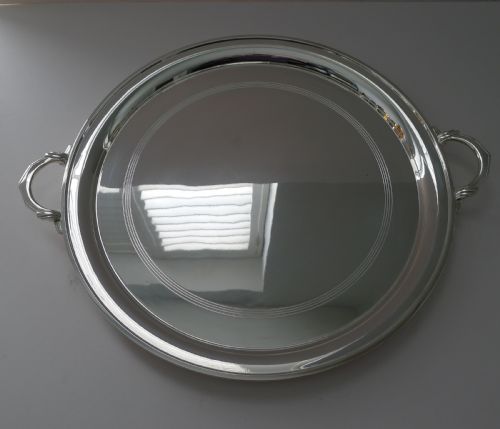
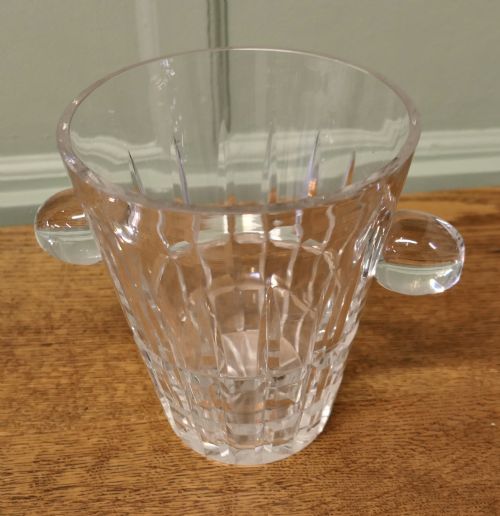
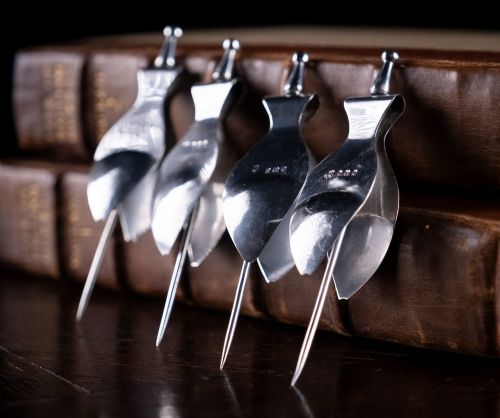
When you search for 1930s art deco barware, you encounter items designed for hosting drinks during the interwar period. The selections here include cocktail shakers, decanter sets, ice buckets, trays, and novelty cocktail stick sets.
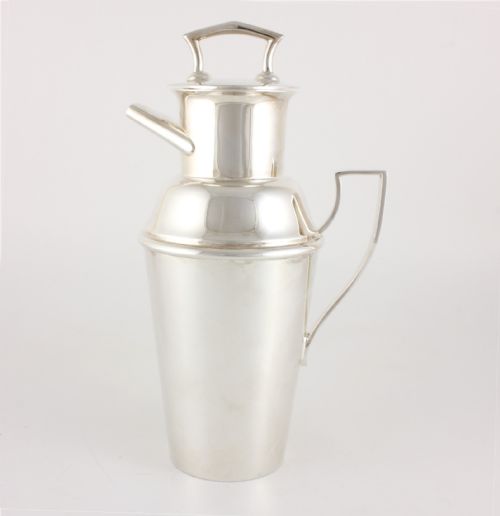
The dominant forms lean toward sleek silver plating, gleaming chrome, and hand-cut crystal. Shakers styled like milk churns or engine-turned cylinders appear frequently alongside coordinated glass sets.
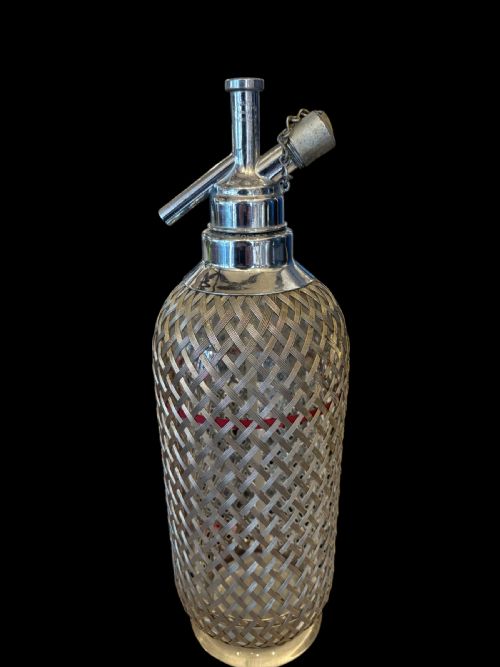
Originating largely from English and French makers, these utensils reflect the modernist aesthetic applied to domestic entertainment. Pieces range from simple utilitarian soda syphons to elaborate liquor services with matching glasses.
Materials and construction
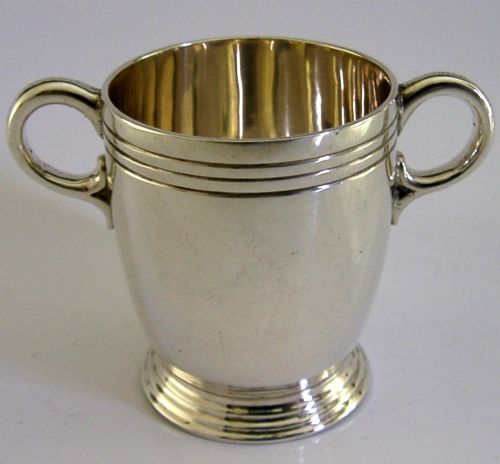
Makers utilised silver plate, sterling silver, electroplated nickel silver, and chrome to construct the metallic bodies of shakers, trays, and frames. These metals were frequently spun, stamped, or engine-turned to create geometric surface patterns.
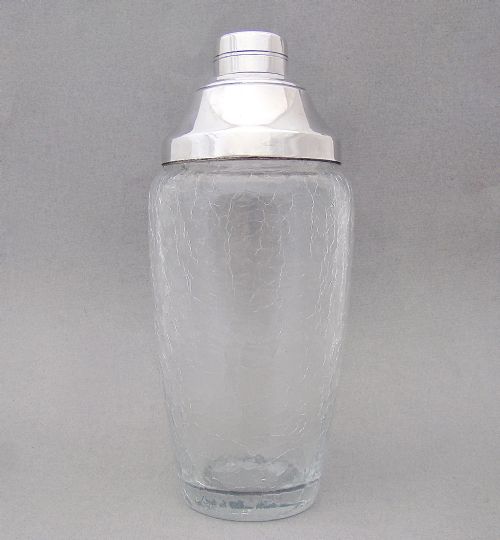
Glass elements combine crackle glass, hand-cut French crystal, and enamelled motifs, often paired with green Bakelite details. Silver mounts and stoppers were then fitted securely to glassware and decanter sets.
Listings incorporate periods spanning 1920 to 1940, encompassing materials from silver plate and chrome to wood and enamel.
Evaluating workmanship
The distinction between standard items and superior examples lies in the weight of the metal and the precision of the construction. Heavier gauge sterling silver and thick-walled crystal indicate sturdier manufacture.
Keith Murray·Mappin & Webb·Richard Comyns·Asprey & Co·Val Saint Lambert·Jacques Adnet·J B Chatterley & Sons·Hukin & Heath·Elkington·William Suckling·C S Green & Co
The 1930s Art Deco Barware Glossary
- Engine-turned
- A decorative technique involving precise geometric patterns mechanically engraved into a metal surface.
- Tantalus
- A locking wooden or metal frame holding decanters visible while preventing access without a key.
- Soda syphon
- A pressurized bottle utilised for dispensing carbonated water directly into drinks.
- Bakelite
- An early form of plastic frequently utilised for handles, knobs, and decorative accents.
- Crackle glass
- Glassware intentionally heated and cooled rapidly to produce a network of fine internal fractures.
1930s Art Deco Barware: Frequently Asked Questions
What is included in a decanter set?
A decanter set typically comprises a central glass vessel accompanied by a matching group of drinking glasses. These were designed for serving spirits during gatherings.
Such sets often feature enamelled decoration, cut crystal, or silver mounts to unify the appearance of the entire collection.
How were novelty cocktail sticks used?
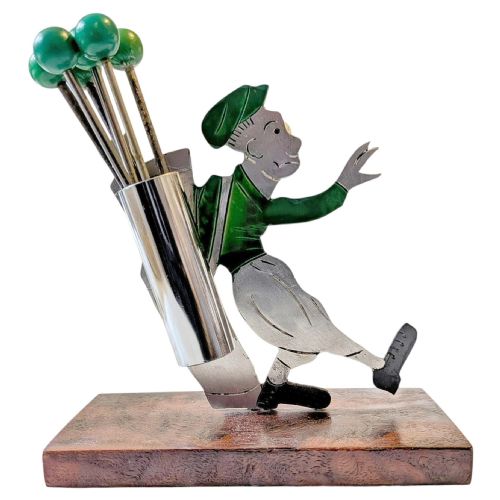
Novelty cocktail sticks served both a practical and decorative function at parties, holding garnishes such as cherries or olives. They were often arranged in themed metal or glass holders.
Common figural designs included comical golfers and jazz musicians, reflecting the playful culture of the period.
What distinguishes silver plate from sterling silver?
Sterling silver consists of solid precious metal throughout, complying with strict purity standards. It carries greater intrinsic weight and durability.
Silver plate involves a thin layer of silver bonded over a base metal such as nickel silver or copper, offering the polished look of silver at a different scale of construction.
How do I identify French pieces?
French items frequently showcase distinctive crystal types like crackle glass or specific maker styles originating from Parisian workshops. They often include specialised liquor services and novelty accessories.
Examining the specific cut of the crystal and the nature of any metal mounts helps distinguish continental manufacture from English counterparts.