





1920s Woven Rug
When a 1920s woven rug catches the eye, it brings the rich geometric patterns and nomadic artistry of early twentieth-century floor coverings into a modern interior.
1920s Woven Rug
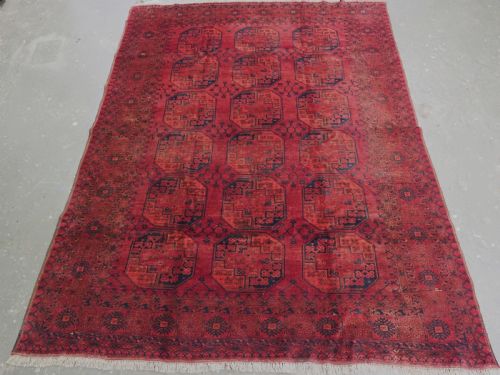
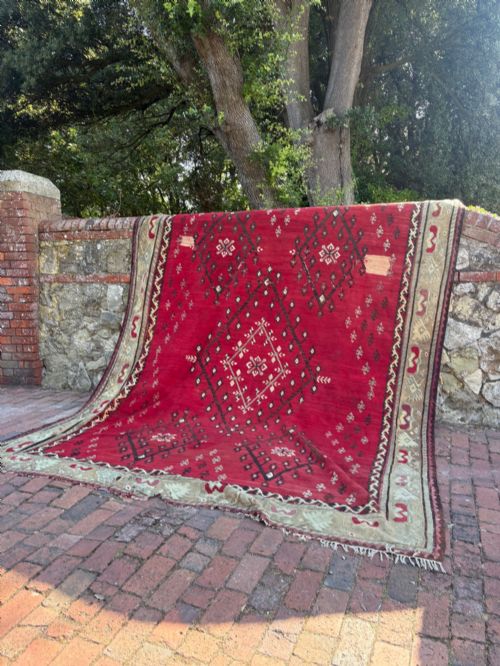
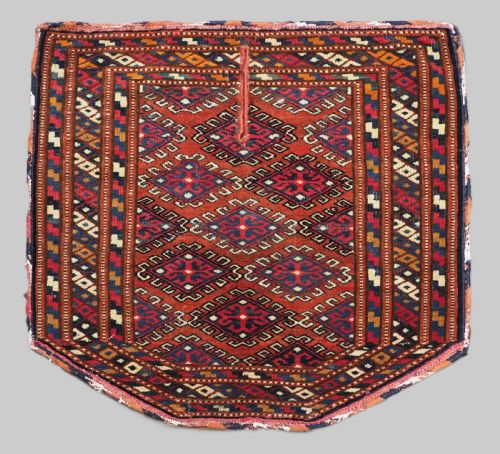
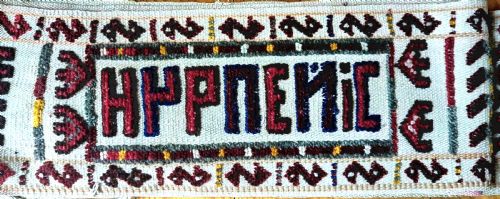
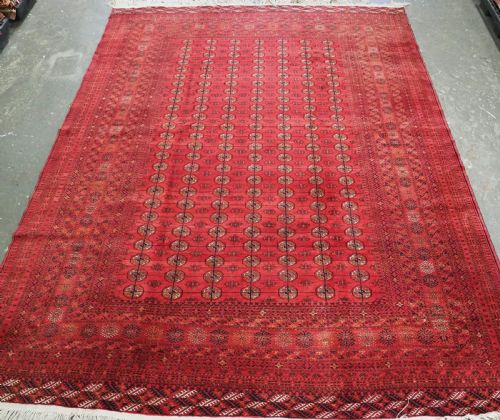
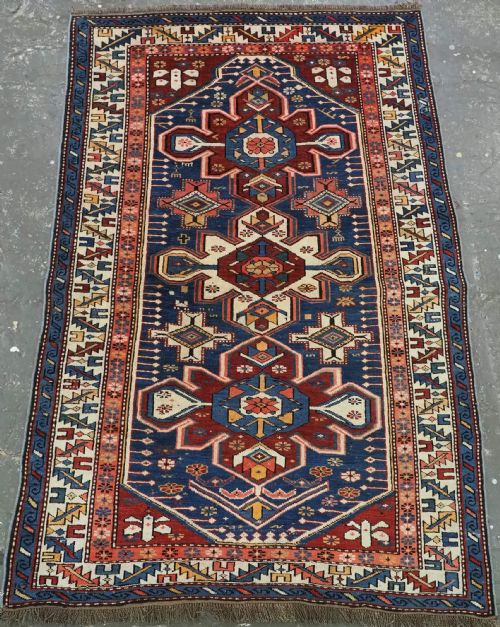
A 1920s woven rug encompasses a diverse range of floor coverings and flatweaves produced across Persia, Anatolia, the Caucasus, and the Balkans during the early twentieth century. Buyers encounter everything from room-sized Persian carpets and intricate prayer rugs to flatwoven kilims and nomadic storage bags.
The selection reflects distinct regional traditions, including Pirot kilims, Yomut Turkmen pieces, and Baluch tribal textiles. These items served practical household or nomadic functions before becoming sought-after decorative pieces.
How they were made
Weavers utilised natural materials such as wool, cotton, lambswool, and occasionally silk foundations to construct these textiles. Yarns were hand-spun and dyed to achieve the warm reds, pastels, and ivory grounds seen across the regional groups.
Production methods varied between pile weaving, hand-knotting, and flatweaving techniques like kilim construction. Artisans created structured geometric motifs, pictorial designs, and repeating medallions using traditional looms.
Nomadic weavers sometimes worked on portable horizontal looms pegged directly into the earth outside their tents.
What varies in quality
Quality rests in the fineness of the weave and the precision of the design execution, from dense village carpets to simpler nomadic flatweaves. Superior examples display balanced proportions, clear iconography such as gul or mihrab motifs, and harmonious colour palettes.
The handling of materials also distinguishes the range, such as the use of lambswool on silk foundations in finer urban workshops compared to robust everyday wool in tribal pieces.
The 1920s Woven Rug Glossary
- Kilim
- A flatwoven carpet or rug produced without a pile, common in Balkan and Anatolian traditions. These pieces rely on tightly packed warp and weft threads to form geometric patterns.
- Mihrab
- A niche design symbolising a prayer place, frequently seen in directional prayer rugs. This motif points toward Mecca during daily devotions.
- Gul
- A repeating medallion or octagonal motif traditional to Turkmen and Afghan tribal weaving. Each pattern often identifies a specific clan or lineage.
- Boteh
- An almond-shaped or paisley motif representing a floral spray or cypress tree. It appears frequently in Persian village and tribal rugs.
- Warp
- The vertical threads stretched tightly on a loom before weaving begins. The weft threads are passed across these structural foundations.
1920s Woven Rug: Frequently Asked Questions
How do I clean an old woven rug?
Surface dirt is best managed by gentle, regular vacuuming without a rotating brush head. Professional specialist cleaning is recommended for deeper maintenance to protect natural fibres.
Water and harsh detergents should be avoided to prevent dye migration and shrinkage in historic wool and cotton textiles.
Can I place these rugs in high-traffic areas?
Many sturdy tribal and village pieces were built for demanding daily use and handle moderate foot traffic well. Thicker wool carpets generally endure hallway or living room placement better than delicate silk-foundation pieces.
Placing a quality underlay beneath the textile prevents slipping and reduces fibre wear from friction against hard floors.
How do I identify a prayer rug?
Prayer rugs typically feature a distinct architectural arch or mihrab design at one end. The weaver intended this niche to face Mecca during prayer.
They generally measure in smaller formats suited for an individual kneeling space rather than covering an entire room.
What is the difference between a kilim and a carpet?
A kilim is a flatweave textile made by interweaving warp and weft threads without forming a raised pile. This creates a thinner, reversible fabric with crisp geometric edges.
Carpets and pile rugs incorporate knotted yarn tufts that are sheared to create a soft, dense surface texture.