


1920s Upholstered Chair
A 1920s upholstered chair brings period character and deep comfort to a room, offering tactile fabrics paired with substantial timber frames.
1920s Upholstered Chair
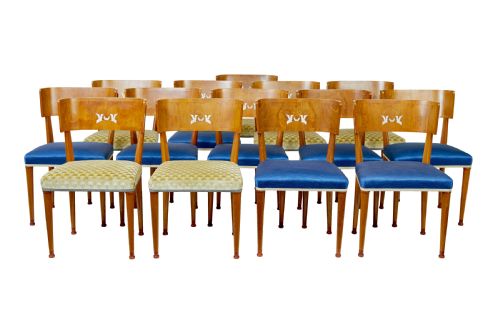
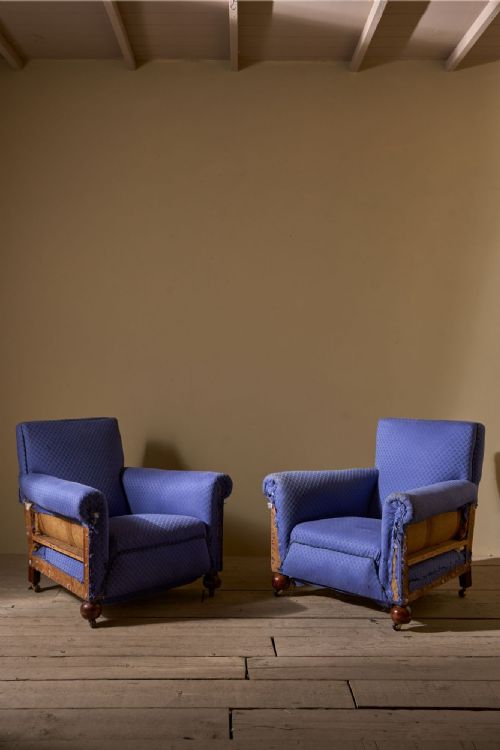
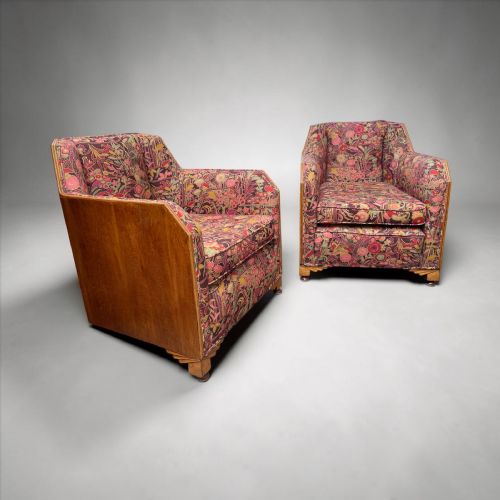
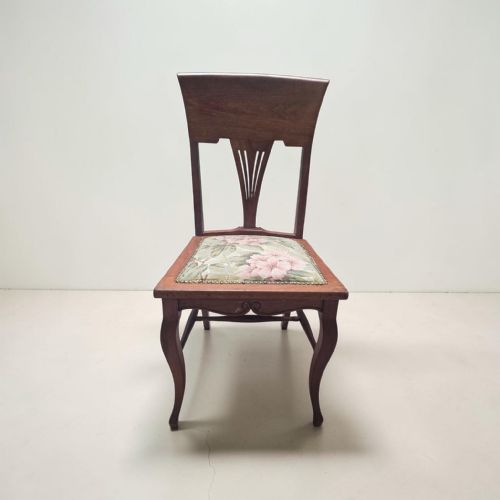
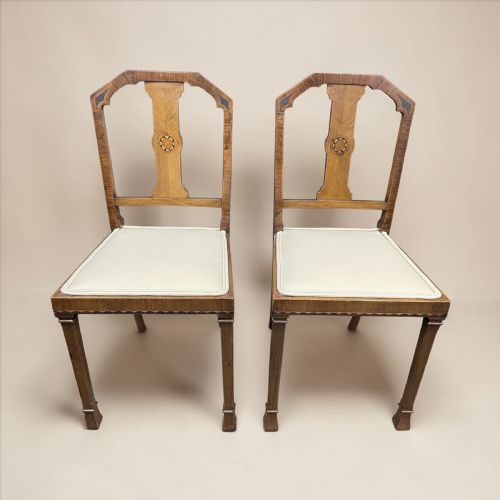
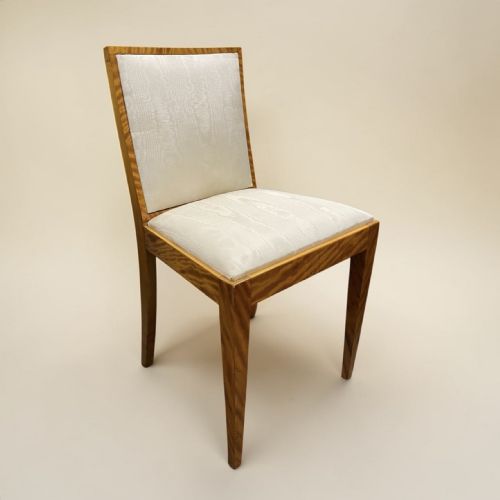
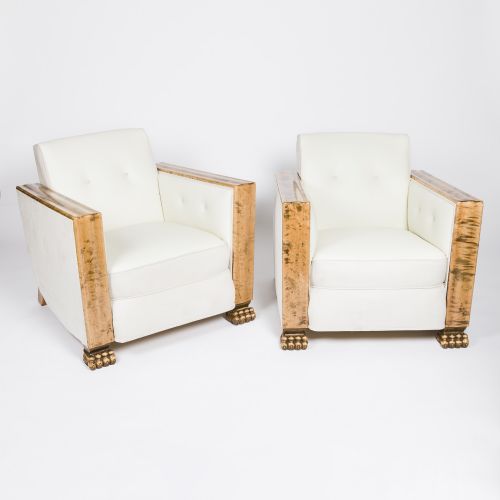
A 1920s upholstered chair encompasses a wide variety of seating forms, ranging from low club armchairs and wingbacks to bedroom chairs and dining sets. You will regularly encounter pieces defined by geometric Art Deco lines alongside survivors from the Edwardian era.
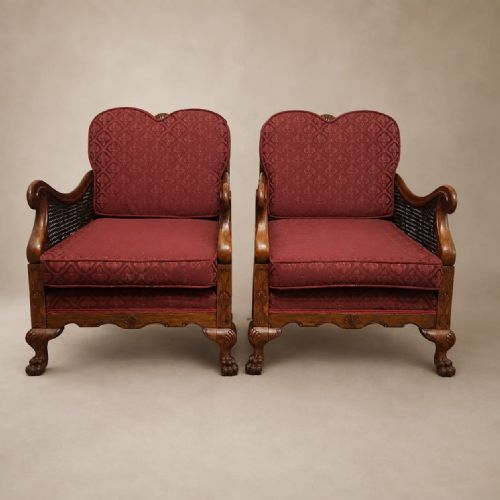
The selection frequently includes paired armchairs finished in velvet, leather or patterned fabric, supported by frames built from walnut, mahogany or oak. Armchairs, side chairs and rocking chairs dominate the available forms, reflecting the diverse domestic seating needs of the period.
How they were made
Makers built the structural frameworks using hardwoods such as walnut, mahogany, oak, elm and general hardwood, often shaping the timber into exposed wooden arms, legs or gilded frames. These sturdy skeletons provided the necessary foundation for deep sprung seating and padded backs.
Traditional upholstery techniques utilised durable fillings paired with outer coverings of fabric, velvet, leather or split cane. Metal elements like brass fixtures and bentwood or wire frameworks also appear in specific utilitarian and modernist designs.
Object forms span armchairs, dining chairs, side chairs, bedroom chairs, rocking chairs, library chairs and desk chairs.
What varies in quality
The distinction between average and exceptional pieces rests in the architectural integrity of the timber frame and the refinement of its carved or polished details. Superior examples display balanced proportions, precise joinery and high-grade primary woods like figured walnut or mahogany.
Quality also resides in the execution of the upholstery and the harmony of the covering material with the underlying style, whether an elaborate French revival design or a streamlined Art Deco club chair.
Bath Cabinet Makers
The 1920s Upholstered Chair Glossary
- Bergere
- An enclosed upholstered armchair with a wooden frame, frequently featuring cane work panels on the back and sides. This style originated in France and remains popular in period seating.
- Club chair
- A deep, comfortable armchair traditionally upholstered in leather or heavy fabric. These chairs offer low backs and generous proportions for lounging.
- Fauteuil
- An open-framed upholstered armchair with exposed wooden arms, originating in French design. The armrests typically feature padded elbow rests.
- Klismos
- An ancient Greek chair form with curved legs and a concave backrest, reinterpreted in twentieth-century modernist dining chairs. This silhouette offers a distinct elegant profile.
- Bentwood
- Wood heated and bent into curved shapes to form furniture frames. This technique allowed for light yet resilient chair structures during the early twentieth century.
1920s Upholstered Chair: Frequently Asked Questions
How do I identify a true 1920s chair?
Examine the construction methods, timber types, and stylistic cues such as early Art Deco geometry or transitional Edwardian details. Secondary indicators include traditional joinery and period-appropriate hardware.
Compare the proportions and upholstery styling against documented examples from the same decade to confirm authenticity.
Are these chairs suitable for daily use?
Most sturdy armchairs and dining seats are built to handle regular daily sitting, provided the internal springs and joints remain sound. Leather and heavy fabric options often withstand routine wear exceptionally well.
Consider having older internal padding professionally assessed or renewed if you plan to use the seating heavily in a modern living space.
What styles are most common?
Art Deco designs and various revival styles dominate the selection, alongside traditional American rocking chairs and Edwardian side chairs. Walnut and mahogany frames with fabric or leather upholstery appear frequently.
You will also find specialised seating such as swivel desk chairs and wire construction pieces from the same era.
How should I care for vintage upholstery?
Protect delicate fabrics and leathers from direct sunlight to prevent fading and drying over time. Regular gentle vacuuming keeps dust from settling into the weave.
Treat wooden frames with appropriate furniture wax periodically to maintain the finish without harming adjacent fabric.