

1920s Timepiece
A 1920s timepiece brings together mechanical precision and striking design, offering buyers a tactile connection to an inventive era of horology.
1920s Timepiece
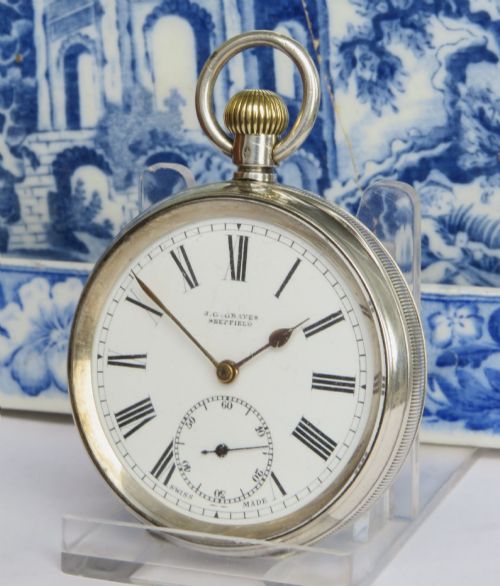
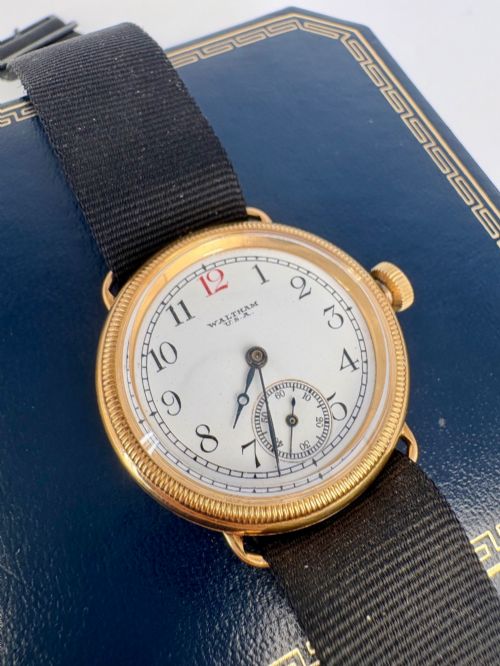
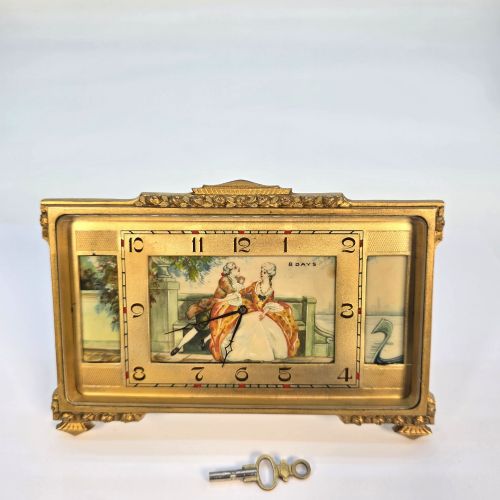
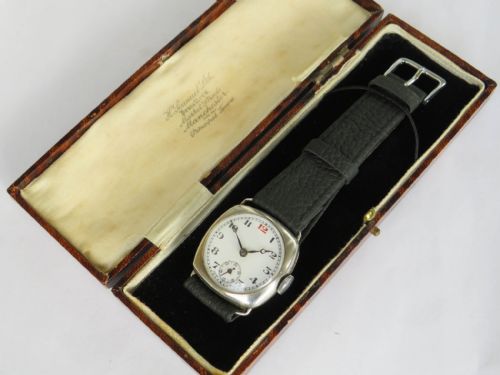
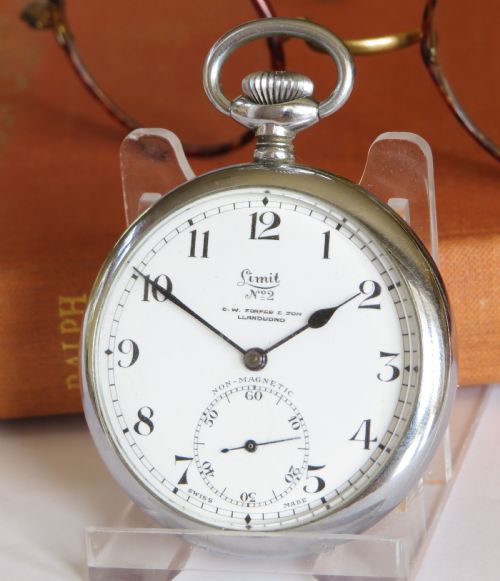
A 1920s timepiece encompasses portable watches and stationary clocks produced during a dynamic period of design transition. Buyers exploring this category encounter a diverse selection ranging from pocket watches and wristwatches to elaborate mantel clocks and delicate cocktail watches.
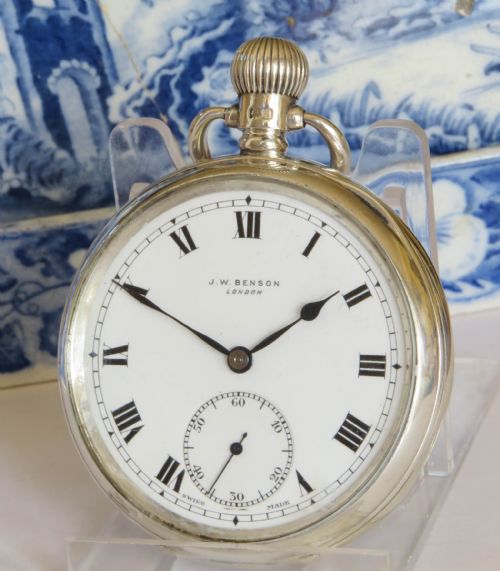
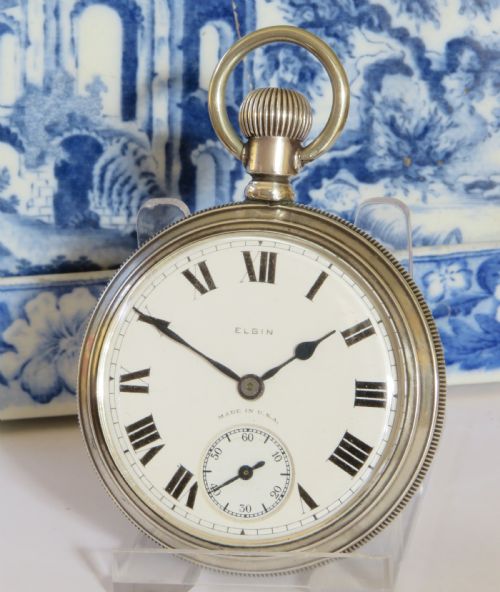
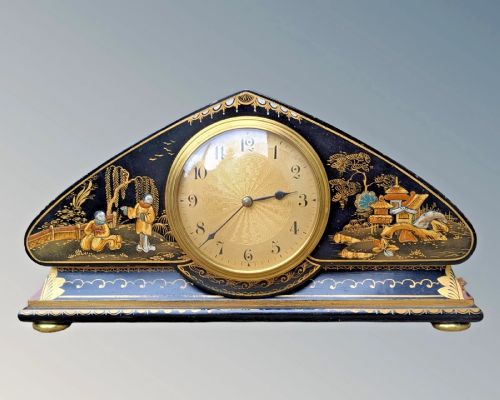
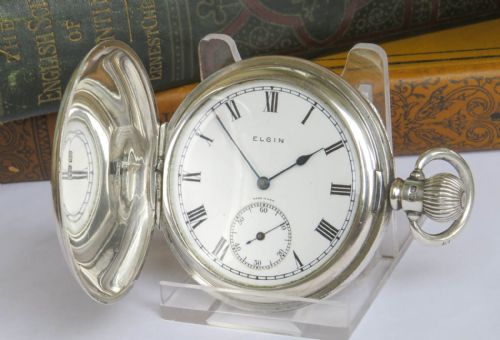
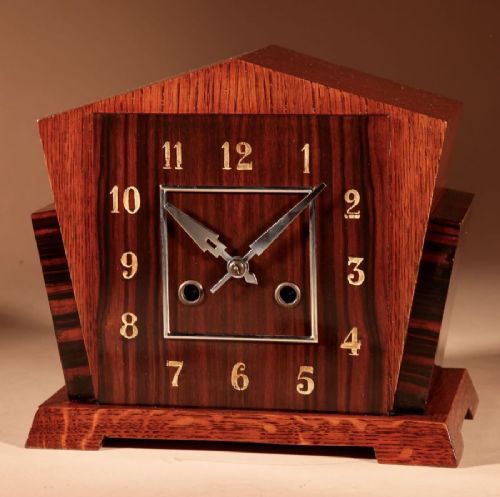
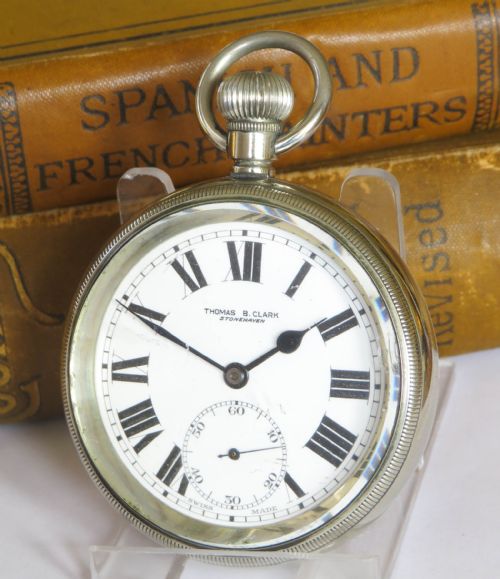
Pocket watches and wristwatches dominate the portable offerings, often fashioned in silver, gold plate, or solid gold with open faces or hunter cases. Mantel clocks and desk pieces display prominent influences from Art Deco, Chinoiserie, and the Amsterdam School, reflecting contemporary architectural tastes.
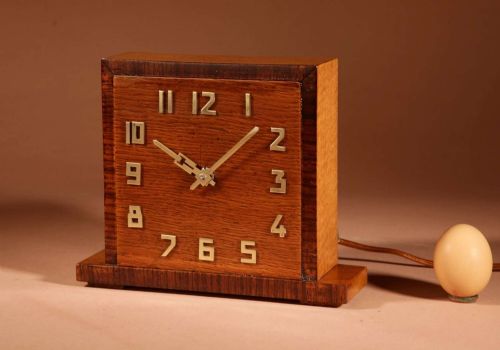
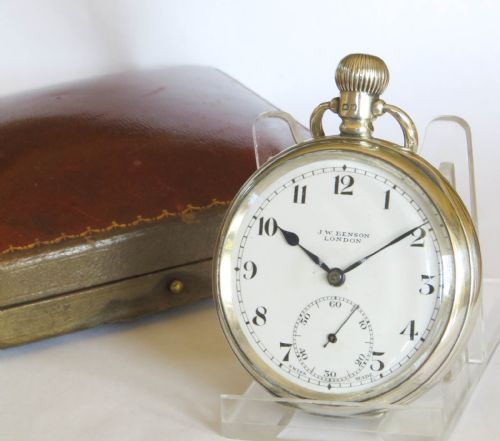
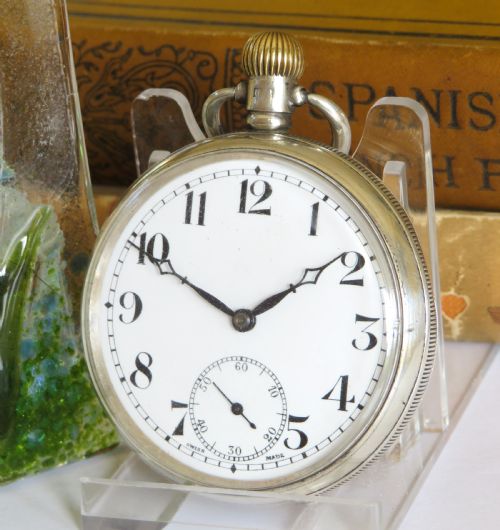
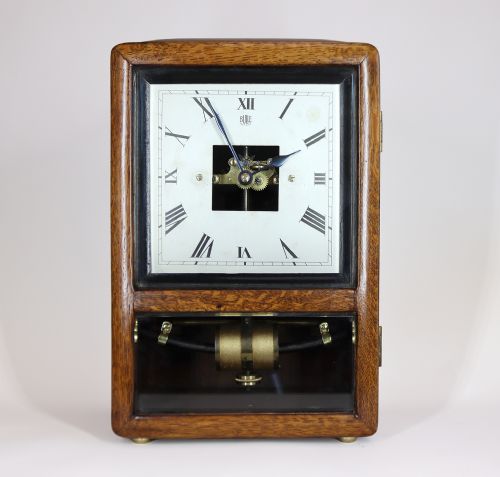
The most frequently encountered pieces on this page are silver pocket watches from the early interwar years alongside oak-cased mantel clocks. These items served both practical daily scheduling and domestic decoration, embodying the shifting aesthetic priorities of the public.
Materials and Construction
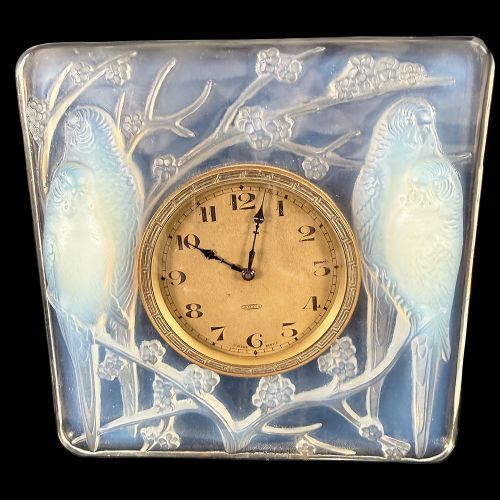
Horologists utilised a combination of sturdy metals and precious materials, housing movements in brass, steel, sterling silver, gold plate, and white gold. Cases often incorporated decorative elements such as blue guilloche enamel, opalescent glass, or engine-turned patterns.
Cabinetmakers constructed larger mantel and bracket clocks using timbers like oak, rosewood, macassar ebony, and coromandel, sometimes pairing them with bronze or ormolu mounts. Dial faces featured painted numerals, glass covers, and intricate metal hands driven by eight-day or early electrical movements.
1920s Timepiece Retail Price Guide 2026
Typical asking prices for 1920s timepiece among the pieces listed under this phrase on Sellingantiques today, from the lower quarter to the upper quarter. They describe what is for sale here now, not the wider market.
Listings feature oak, brass, and glass alongside sterling silver and gold plate across the 1920, 1930, and Belle Epoque periods.
Distinctions in Quality
Quality rests upon the refinement of the movement and the integrity of the casing. Superior examples demonstrate meticulous mechanical execution by established makers alongside unblemished enamel or undamaged moulded glass.
Material selection dictates much of the distinction between standard production items and luxury pieces. Heavy precious metal cases, diamond-set platinum cocktail designs, and architectural hardwood clock bodies represent higher tiers of craftsmanship.
J W Benson·Elgin·R Lalique·Bucherer·Tavannes
The 1920s Timepiece Glossary
- Hunter pocket watch
- A pocket watch featuring a spring-hinged metal cover designed to protect the glass dial face from scratches and impacts.
- Guilloche enamel
- A decorative technique where intricate geometric patterns are engraved beneath a translucent layer of coloured enamel.
- Cocktail watch
- A small women's wristwatch designed primarily for evening wear, often set with diamonds and housed in platinum or white gold.
- Mantel clock
- A domestic clock designed to sit on the shelf or structure above a fireplace opening.
- Strut clock
- A portable timepiece supported by a hinged prop or stand attached to the rear of the case.
- Mystery clock
- A timepiece where the hands appear to move without any visible mechanical connection to the movement.
1920s Timepiece: Frequently Asked Questions
How do I wind an eight-day clock?
Eight-day clocks require a specialised key inserted into the winding arbors on the dial face to tension the mainspring.
Care must be taken not to over-wind the mechanism, stopping as soon as resistance increases.
Are these clocks suitable for daily use?
Many mechanical pocket watches and mantel clocks remain entirely functional for regular timekeeping if properly serviced.
Delicate cocktail watches and glass desk pieces require more careful handling due to their age and intricate components.
How do I identify Amsterdam School designs?
Amsterdam School pieces display strong expressionist architectural forms, often utilising dark hardwoods like oak and macassar ebony.
These clocks emphasise vertical lines, geometric massing, and careful joinery typical of interwar Dutch craftsmanship.