
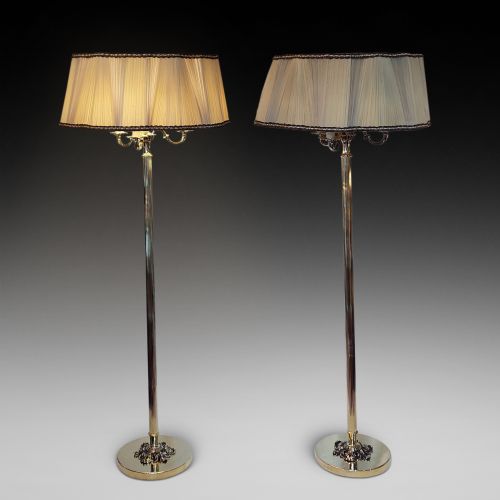


1920s Standard Floor Lamp
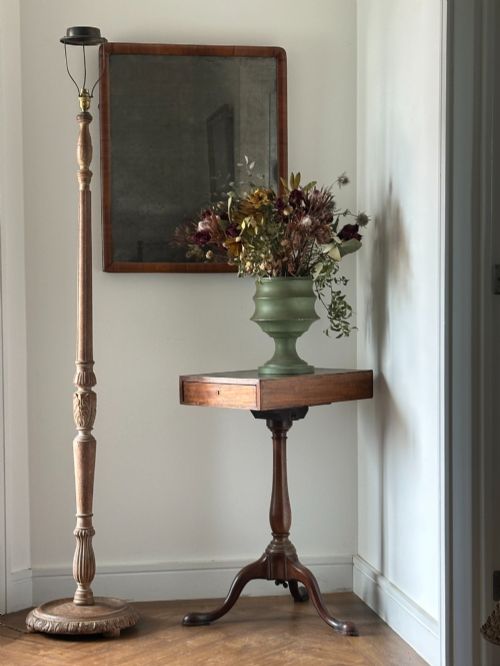
These 1920s standard floor lamp examples bring architectural presence and ambient height to a room, offering both decorative focus and practical illumination.
1920s Standard Floor Lamp
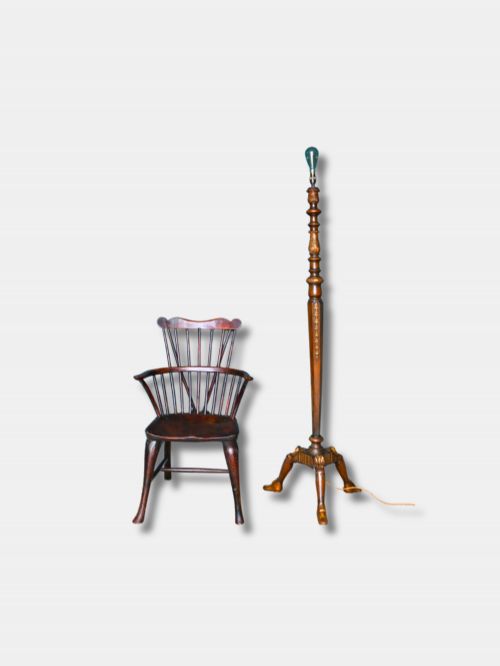
A 1920s standard floor lamp provides tall, freestanding illumination designed to stand beside seating or within corners. These upright fixtures serve as both practical light sources and sculptural furnishings.
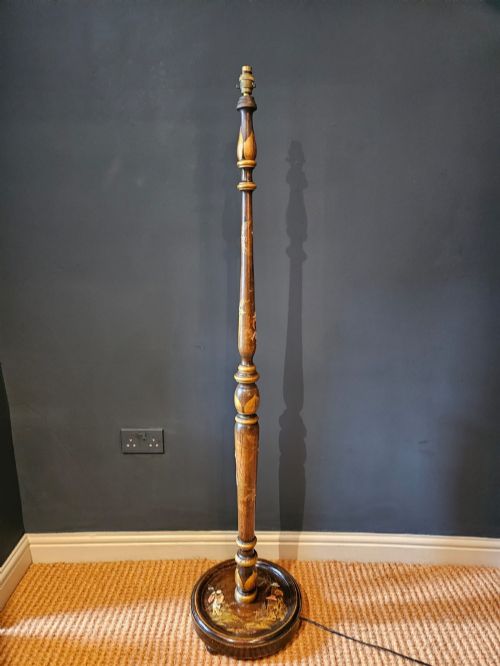
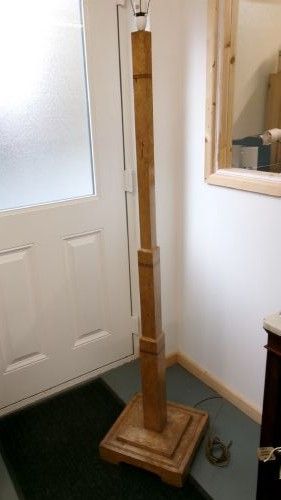
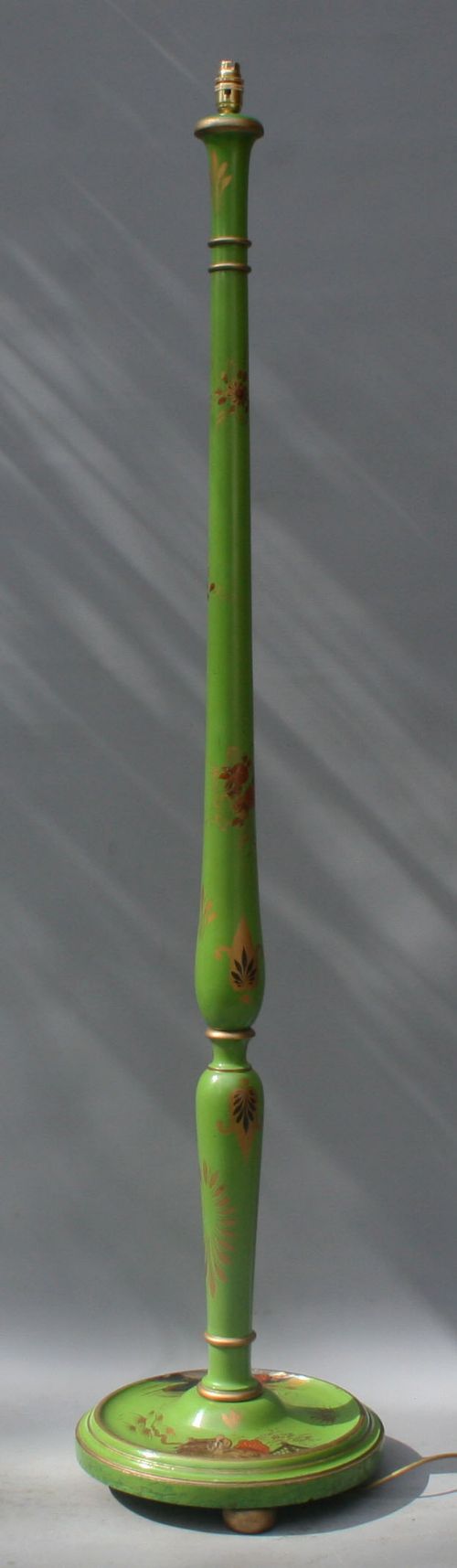
Visitors to this selection encounter diverse expressions ranging from geometric Art Deco designs to ornate Chinoiserie decorations and classical revivals. Standard lamps and lamp tables dominate the forms present.
Origin points span English, French, Italian, and Anglo-Indian workshops, reflecting a period of eclectic international design. Makers utilised varied regional aesthetics while retaining the tall upright format characteristic of the era.
How they were made
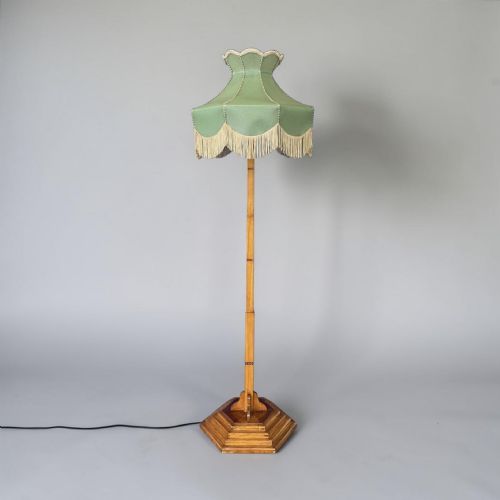
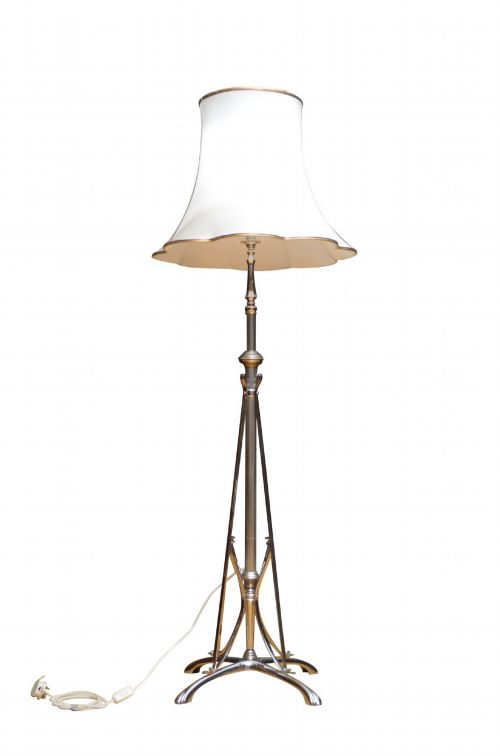
Metal variations incorporate brass and chrome, frequently engineered with adjustable mechanisms for directing light output or paired with fabric shades and fringe details. These mixed media applications define the technological and stylistic shifts of the interwar years.
Current listings demonstrate a strong presence of Art Deco style alongside traditional walnut, oak, and brass materials.
What varies in quality
The refinement of carving and surface finish distinguishes standard pieces from exceptional examples, seen in crisp acanthus leaves, smooth lacquer, and precise gilt work. Superior specimens demonstrate intentional proportion between the slender column and the supporting base.
Mechanical complexity also separates the range, with adjustable brass and chrome hardware offering sophisticated articulation compared to fixed configurations. Material selection, such as figured blond walnut or dense Burmese padouk, elevates the inherent status of an individual lamp.
The 1920s Standard Floor Lamp Glossary
- Torchere
- A tall ornamental stand or floor lamp, historically designed to carry a torch or candle but adapted in the interwar period for electric illumination. These pieces often feature slender columns and elevated display platforms.
- Tripod base
- A three-legged support structure providing stability for tall vertical furniture. This configuration appears frequently on wood and metal standards from the period.
- Chinoiserie
- European theatrical interpretation of Chinese and East Asian artistic traditions, characterised by painted decoration and lacquered surfaces. Examples in this style bring rich colour and pictorial narrative to interior spaces.
- Barley twist
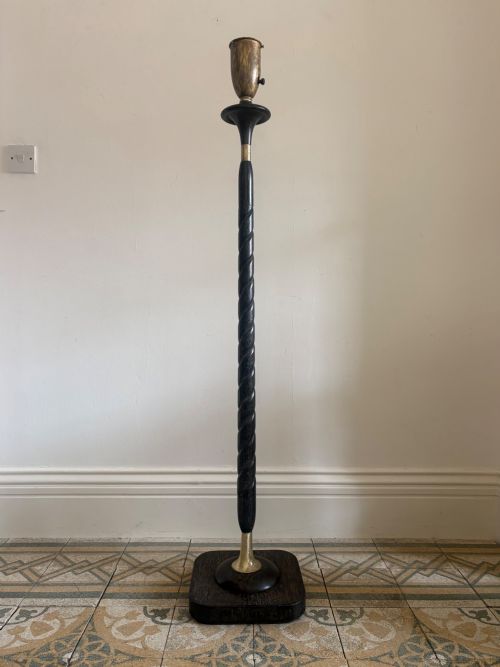
- A spiral turning technique resembling a twisted rope, carved into wooden furniture legs and floor lamp columns. This decorative turning adds dynamic vertical movement to the silhouette.
- Uplighter
- A lighting fixture designed to cast illumination upward toward the ceiling rather than downward. These pieces create diffused ambient light within a room.
1920s Standard Floor Lamp: Frequently Asked Questions
Where should I place a standard lamp?
These tall fixtures suit corners, reading areas, or beside low lounge seating where they can cast ambient or directional light. Their vertical presence helps balance rooms with high ceilings.
Positioning them away from heavy foot traffic protects delicate shades and fringe details from accidental knocks.
How do I identify Art Deco lighting?
Art Deco lighting relies on streamlined geometry, smooth chrome or polished metals, and symmetrical motifs that reflect interwar industrial progress. These designs reject heavy Victorian ornamentation in favour of clean vertical lines.
Paired materials often include contrasting woods like walnut alongside gleaming metal accents.
Are these lamps wired for modern use?
Most antique floor lamps require professional rewiring to meet current electrical safety standards before regular domestic use. Qualified electricians can easily update internal cord sets while preserving the original exterior fabric.
Retaining original brass sockets and switches is often possible during restoration.
What maintenance do wood standards need?
Wooden columns benefit from occasional applications of appropriate furniture wax to nourish the grain and protect finishes like lacquer or liming. Avoiding direct sunlight prevents fading on ebonised and gilt surfaces.
Gentle dusting with a soft cloth keeps carved details free from buildup.