



1920s Glass Perfume Bottle
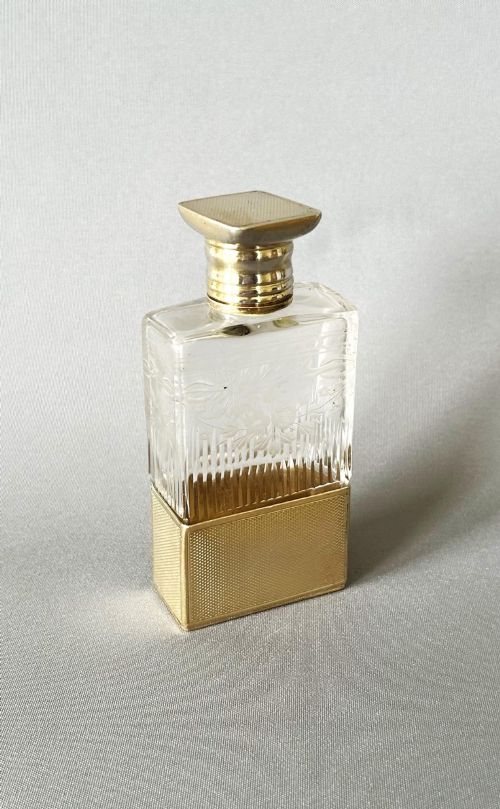
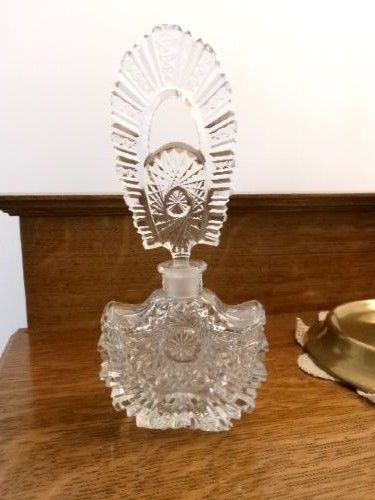
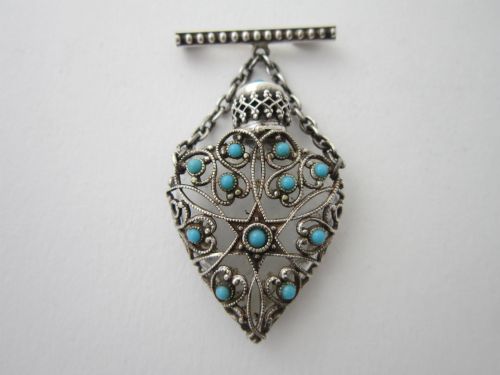
These 1920s glass perfume bottles capture an era of vanity and dressing table elegance through moulded glass and precious metal mounts.
1920s Glass Perfume Bottle
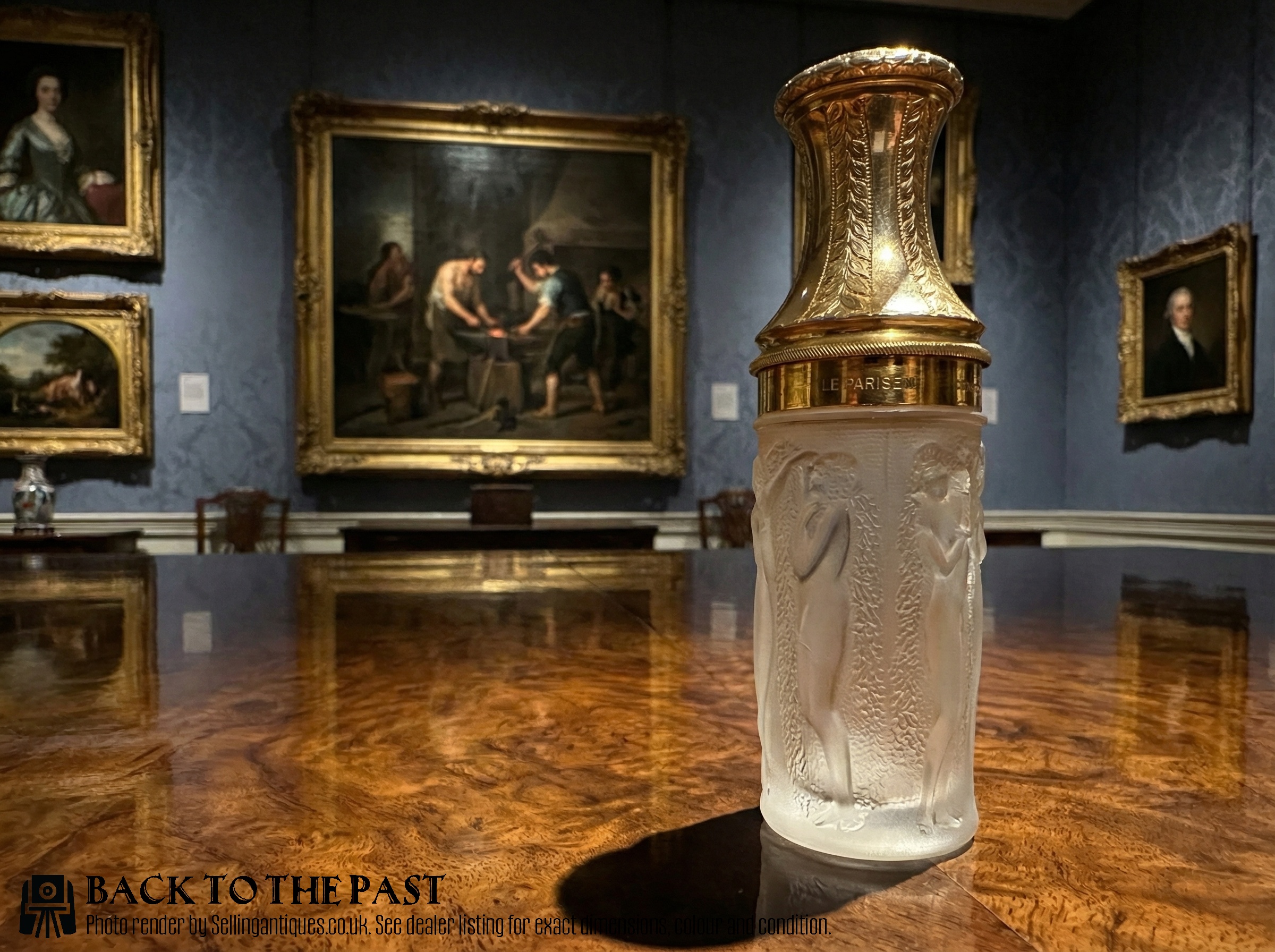
A 1920s glass perfume bottle sits upon the dressing table as a remnant of early twentieth-century vanity and dressing sets. When you search for a 1920s glass perfume bottle, you are looking at small scent containers shaped by the aesthetics of the period.
The pieces on this page span the 1920 and 1930 periods, showing clear Art Deco influence in their forms. You will encounter standalone scent bottles alongside perfume atomisers and vanity sets.
Origins vary across the evidence from British silversmiths to Continental workshops and Czechoslovakian makers. Moulded glass and cut glass dominate the vessels, often paired with sterling silver or continental silver tops.
How they were made
Makers relied primarily on glass production methods, utilising both moulded glass and cut glass techniques to shape the bodies. Frosted glass and blue glass also appear across the listings, sometimes treated with enamelling.
Metal components were cast and worked separately before being fitted to the glass bodies. Sterling silver, continental silver, turquoise, and tortoiseshell provide mounts, collars, and hinged lids.
1920s Glass Perfume Bottle Retail Price Guide 2026
Typical asking prices for 1920s glass perfume bottle among the pieces listed under this phrase on Sellingantiques today, from the lower quarter to the upper quarter. They describe what is for sale here now, not the wider market.
Listings feature items exclusively from the 1920 and 1930 periods, showcasing Art Deco design.
What varies in quality
Quality rests in the precision of the glass moulding and the reputation of the maker. Pieces designed by named glass artists display sharper relief and more deliberate artistic vision than anonymous production.
The metalwork mounts introduce another tier of distinction. Hallmarked silver tops by documented silversmiths elevate a piece above standard unmarked metal collars.
Rene Lalique·Henry Perkins·Barnsley and Co·Adie Brothers Ltd
The 1920s Glass Perfume Bottle Glossary
- Art Deco
- A design style of the 1920s and 1930s characterised by geometric symmetry and stylised motifs. It defines the aesthetic of the moulded glass and metal mounts found on these bottles.
- Moulded glass
- Glass formed by pressing molten material into a metal or wooden mould. This technique allowed makers like Rene Lalique to achieve deep relief and textured patterns.
- Sterling silver
- A silver alloy containing 92.5 percent pure silver and 7.5 percent other metals. It is the standard material used for the hallmarked caps and collars on British-made bottles.
- Perfume atomiser
- A scent bottle fitted with a spray mechanism rather than a simple stopper or cap. These pieces allowed the user to mist fragrance directly onto skin or clothing.
- Continental silver
- Silver items produced outside Britain that adhere to various European standards of purity. These mounts appear alongside glass and turquoise elements.
1920s Glass Perfume Bottle: Frequently Asked Questions
How do I identify a period scent bottle?
Look for the stylistic hallmarks of the 1920s, specifically geometric Art Deco lines and moulded glass reliefs. Hallmarks on the silver mounts provide exact dates and assay office locations.
Compare the form against known designs from makers operating during this decade. The combination of glass type and metal mount often confirms the era.
What is the difference between an atomiser and a bottle?
An atomiser includes a mechanical spray bulb fitting designed to mist the fragrance. A standard scent bottle relies on a simple glass dauber or stopper.
Both forms served the dressing table during the 1920s, though atomisers introduced functional complexity to the hardware.
Are silver mounts always hallmarked?
British pieces from silversmiths like Henry Perkins or Adie Brothers typically carry full assay office hallmarks on the silver top. These marks indicate the maker, town, and year of production.
Continental or unmarked pieces may lack these official stamps, relying instead on the style of the glass and metalwork to suggest origin.
How were these bottles used?
They sat upon dressing tables to hold and dispense liquid perfume for daily grooming. The decorative glass and silver turned functional vanity items into display objects.
Many were sold originally with presentation boxes or as part of larger matching vanity sets.