




French Vintage Perfume Bottle
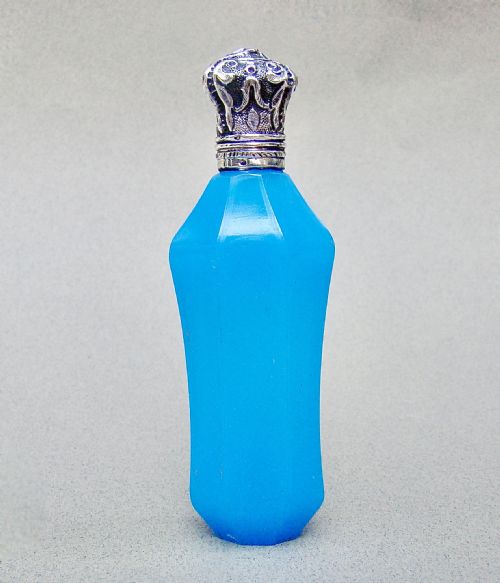
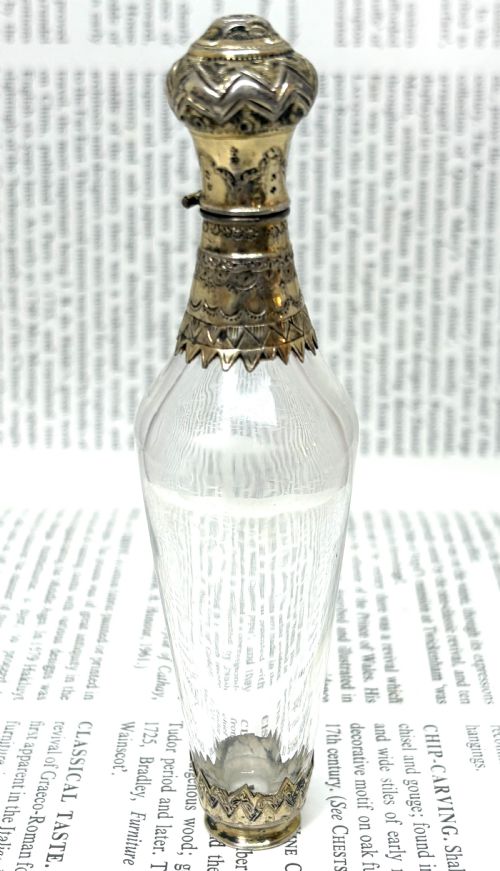
These French vintage perfume bottle pieces bring dressing table elegance through moulded glass and silver mounts.
French Vintage Perfume Bottle
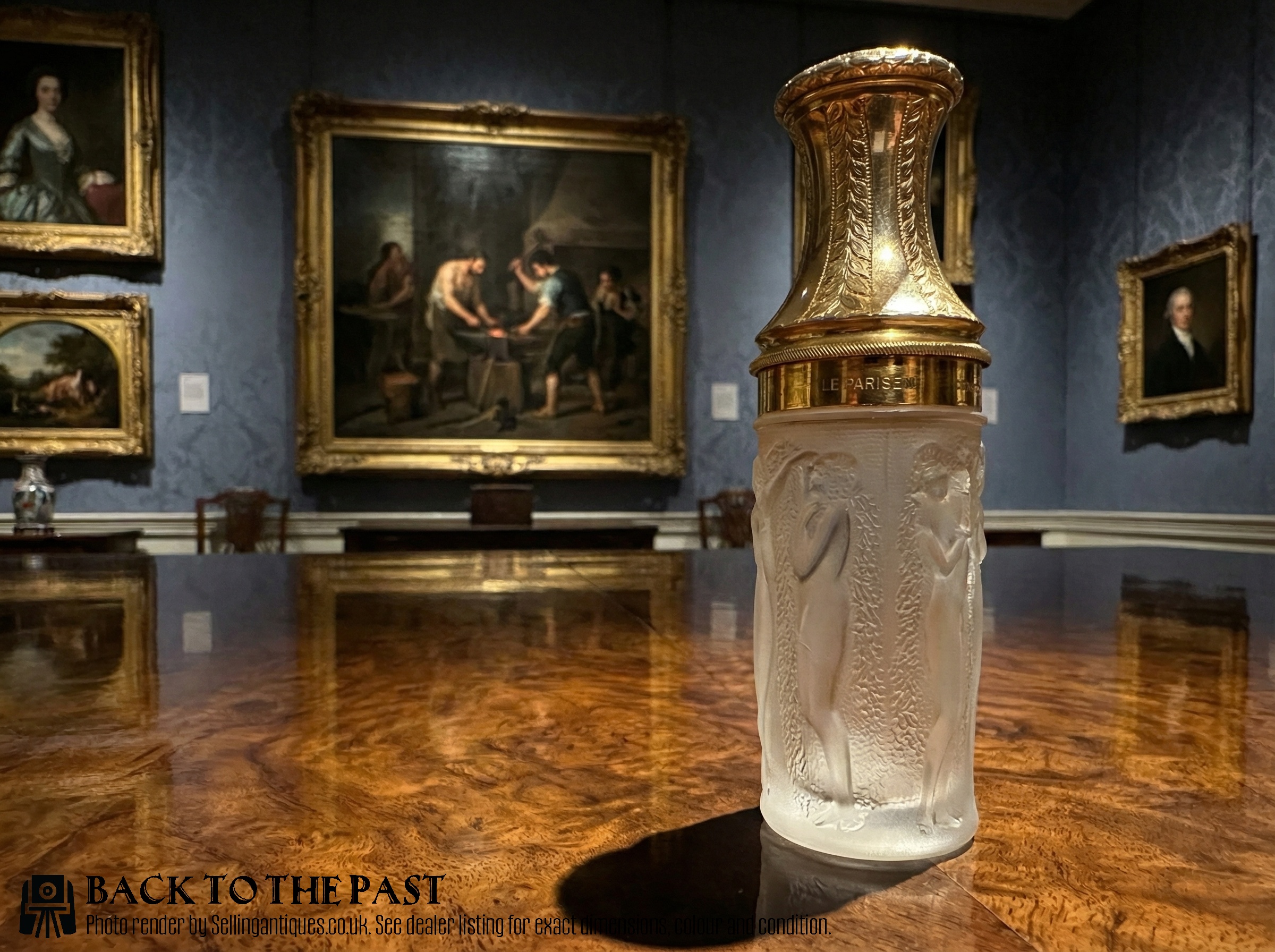
A french vintage perfume bottle comprises vessels designed for scents, atomizer flasks, and vanity bottles spanning the nineteenth century into the nineteen thirties. These objects originate from distinct decorative movements including Art Deco, Art Nouveau, and the Belle Epoque.
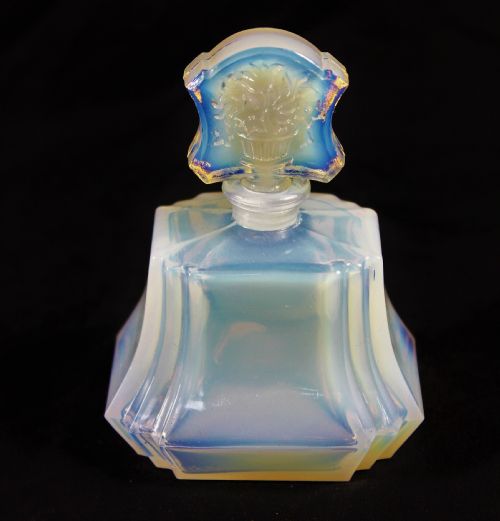
The selection on this page relies heavily on pressed opalescent glass and silver mounts from the interwar decades. Alongside these, nineteenth century overlay glass and gilt decorated vessels represent earlier vanity traditions.
Materials and technique
Makers utilised clear, frosted, moulded, and opalescent glass to achieve varying levels of translucency and texture. Techniques such as pressing and glass blowing formed the main bodies of the flasks.
Mounts and closures incorporate sterling silver, silver gilt, and guilloche enamel. These metal components required precise silversmithing to fit securely around glass necks and bases.
French Vintage Perfume Bottle Retail Price Guide 2026
Typical asking prices for french vintage perfume bottle among the pieces listed under this phrase on Sellingantiques today, from the lower quarter to the upper quarter. They describe what is for sale here now, not the wider market.
Materials across these listings span opalescent glass, sterling silver, and guilloche enamel, reflecting French production from eighteen hundred through nineteen thirty.
The division in quality
The standing of a piece depends on the crispness of the glass moulding and the integration of metalwork. Recognised maker signatures and original boxes elevate certain vessels above standard production items.
Material depth, such as heavy blue glass overlays or rich opalescence, distinguishes superior examples. The intricacy of silver mount engraving also marks the distinction between ordinary and finer workshop output.
Rene Lalique·Sabino·Tonnel Paris
The French Vintage Perfume Bottle Glossary
- Opalescent glass
- Glass that displays milky, iridescent blue or amber tones when light passes through it. This effect was favoured by interwar designers to highlight moulded motifs.
- Guilloche enamel
- Decorative enamel applied over mechanically engraved metal surfaces. It creates repetitive geometric patterns beneath a translucent coloured coating.
- Silver gilt
- Silver objects coated with a thin layer of gold. This technique provides the rich appearance of solid gold while utilising a silver base.
- Atomiser
- A spray mechanism fitted to a perfume bottle for misting scent. These fittings often incorporate rubber bulbs and metal mesh hardware.
French Vintage Perfume Bottle: Frequently Asked Questions
How do I date a perfume bottle?
Dating relies on stylistic markers such as Art Deco geometric lines or Belle Epoque flourishes. Material choices like opalescent glass point directly to the early twentieth century.
Maker signatures and hallmarks stamped on silver mounts provide further chronological clues. Examining the construction of the collar and stopper clarifies the manufacturing era.
Are these bottles safe for modern perfume?
Most vintage bottles function adequately for display and light use, though stoppers rarely form an airtight modern seal. Evaporation occurs faster in older vessels due to hand-ground glass fits.
Precious metal mounts and enamel interiors require careful cleaning without harsh solvents. Using a funnel prevents spills on delicate glass surfaces.
What is the difference between an atomizer and a splash bottle?
An atomiser includes a spray pump mechanism designed to disperse liquid in a fine mist. These pieces usually feature metal collars and squeeze bulbs.
A standard bottle relies on a ground glass stopper for direct application. These vessels depend entirely on the pour method rather than mechanical delivery.
How should I display my bottles?
Placed on mirrored vanity trays, these vessels catch light through opalescent and coloured glass surfaces. Natural daylight enhances the moulded details and relief patterns.
Keeping pieces away from direct heat sources protects delicate enamel and silver finishes. Stable surfaces prevent accidental tipping of top-heavy designs.