

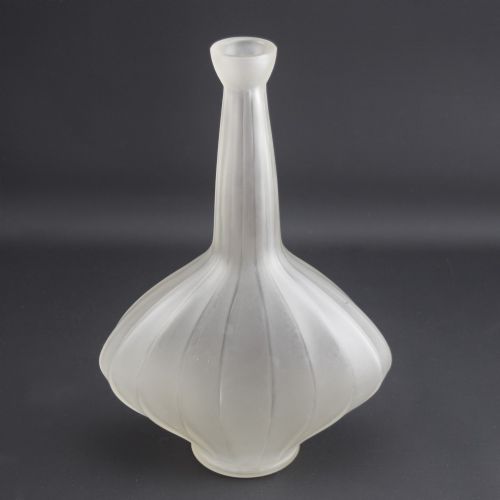


Rene Lalique Glass Bottle
These pieces of rene lalique glass bottle showcase exquisite twentieth-century craftsmanship, offering collectors tactile elegance and historical design.
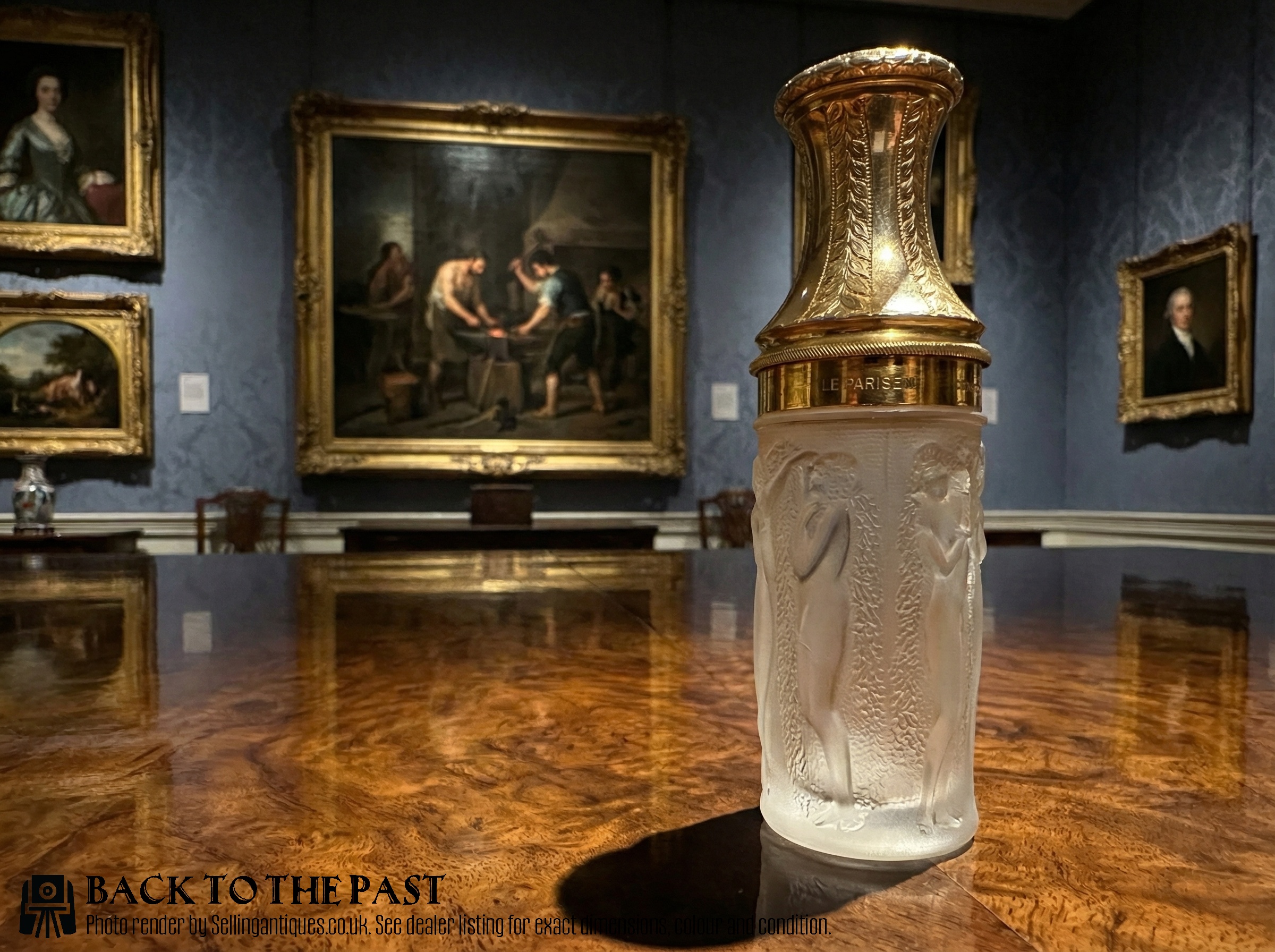
Rene Lalique Glass Bottle
A rene lalique glass bottle represents masterworks of design primarily originating from the nineteen-tens, nineteen-twenties, and nineteen-thirties. You will most frequently encounter perfume bottles, scent bottles, decanters, and atomisers within this selection.
The aesthetic bridges the late Art Nouveau movement and the geometric rigour of Art Deco. These vessels often served prominent fragrance houses before finding homes in modern collections.
How they were made
Makers utilised techniques involving moulded glass, clear glass, frosted glass, and opalescent glass to achieve depth and texture. Artisans additionally employed patinated glass and blue stained glass, sometimes adding red staining or paper details for contrast.
The interaction between matte frosted surfaces and transparent areas defines the technical achievement of these objects. Relief decoration on forms such as butterflies, petals, and swallows required precise mould design.
Rene Lalique Glass Bottle Retail Price Guide 2026
Typical asking prices for rene lalique glass bottle among the pieces listed under this phrase on Sellingantiques today, from the lower quarter to the upper quarter. They describe what is for sale here now, not the wider market.
Materials documented include frosted, opalescent, patinated, and blue stained glass alongside paper elements.
What varies in quality
Distinctions in quality rest upon the crispness of the moulded relief and the complexity of the surface finish. Pieces featuring original coloured staining or patination demand closer attention due to the preservation state of delicate pigments.
The harmony between the stopper and the vessel body indicates the original precision of production. Greater artistic ambition shows in multi-part botanical or animal motifs rather than simpler geometric cutting.
Rene Lalique·René Lalique
The Rene Lalique Glass Bottle Glossary
- Frosted glass
- Glass treated to achieve a matte, non-reflective surface texture. This technique contrasts sharply with polished clear sections to highlight sculptural relief.
- Opalescent glass
- Glass containing ingredients that cause it to milky-blue in transmitted light and warm amber in reflected light. It creates an iridescent optical effect.
- Patinated glass
- Glass treated with pigments or stains rubbed into recessed areas to accentuate carved details. Darkened or coloured highlights make the background ornamentation legible.
- Moulded glass
- Glass formed by pressing molten material into a metal or wooden matrix. This method allowed for consistent production of complex decorative motifs.
- Perfume atomiser
- A fitted bottle incorporating a spray mechanism for dispersing liquid fragrance. These vanity items combined utility with sculptural display.
Rene Lalique Glass Bottle: Frequently Asked Questions
What is a rene lalique glass bottle?
A rene lalique glass bottle is a decorative vessel produced during the early twentieth century, primarily functioning as a container for scent, perfume, or spirits. These objects combine sculptural stoppers and relief-moulded bodies with distinctive surface treatments.
Created during the Art Nouveau and Art Deco periods, they represent a high point in decorative glassware production. Collectors prize them for their artistic significance and material innovation.
How do I identify the period?
Dating relies on stylistic markers that shift from flowing organic lines to structured geometric patterns. Examining the specific flora or fauna depicted often connects the piece to known production years.
The progression from Art Nouveau curves to Art Deco symmetry provides a reliable chronological framework. Makers' marks and signature formats further assist in establishing the timeframe.
Were these bottles used for perfume?
Many of these vessels functioned as commercial packaging for high-end fragrance houses of the era. Perfumers commissioned distinct designs to distinguish their luxury extracts on dressing tables.
Other examples served as boudoir decanters or travel atomisers intended for personal vanity use. Their survival often depends on whether they retained their original stoppers and labels.