
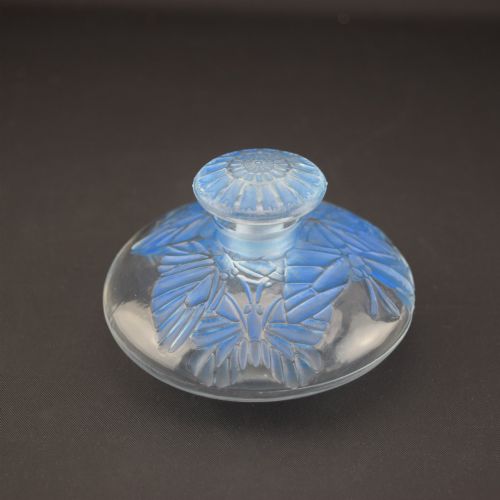


Frosted Glass Scent Bottle
These frosted glass scent bottle examples bring together moulded forms and delicate surfaces, offering collectors a touch of period dressing table elegance.
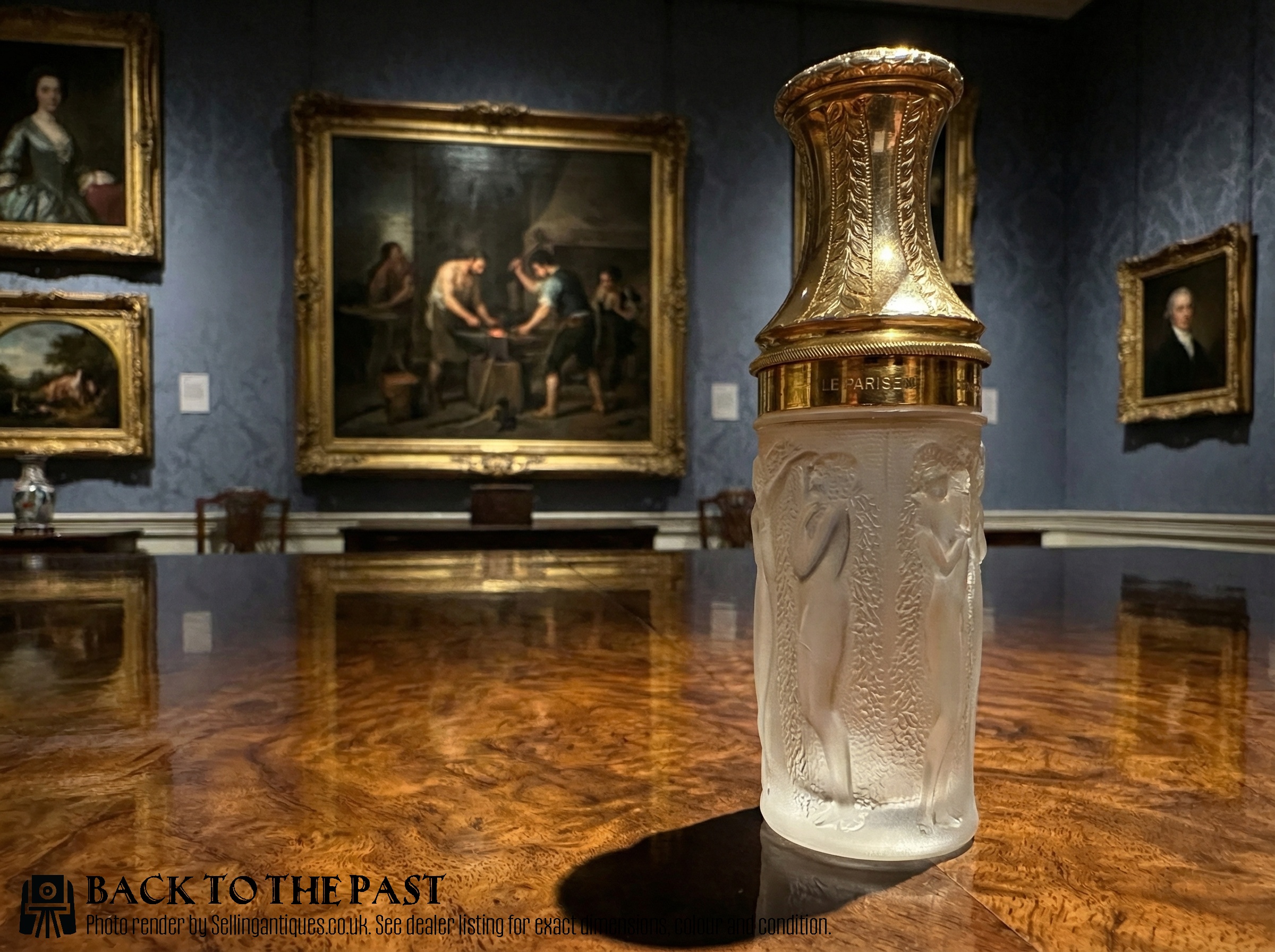
Frosted Glass Scent Bottle
A frosted glass scent bottle brings together moulded textures and functional dressing table design, frequently taking the form of perfume bottles and atomisers. Buyers searching this phrase encounter examples ranging from nineteenth-century chatelaine pieces to twentieth-century creations.
The twentieth-century examples dominate the selection, heavily featuring French production from periods such as the nineteen-tens, nineteen-twenties, and nineteen-thirties alongside Art Deco Czech works. These pieces often showcase notable sculptural stoppers and distinctive surface treatments.
Earlier nineteenth-century versions appear alongside the interwar items, incorporating decorative mounts like ormolu and enamelwork. Such variations demonstrate how utility shifted from portable chatelaine accessories to sculptural vanity items.
How they were made
The manufacturing process relies primarily on glass and frosted glass, often treated with moulding techniques to achieve tactile surface relief and sculptural stoppers. Makers utilised opalescent, satin, and moulded glass to catch the light and create depth across the body and cap.
Many items incorporate additional decorative elements such as enamel, patination, and blue or red staining to highlight the intricate motifs. Metal mounts in ormolu and silver provide structural framing for portable nineteenth-century chatelaine designs.
Frosted Glass Scent Bottle Retail Price Guide 2026
Typical asking prices for frosted glass scent bottle among the pieces listed under this phrase on Sellingantiques today, from the lower quarter to the upper quarter. They describe what is for sale here now, not the wider market.
Listings feature glass, frosted glass, opalescent glass, and satin glass across nineteenth-century and twentieth-century periods.
What varies in quality
Quality rests heavily on the crispness of the moulded detail and the integration between the stopper and the bottle body. Superior examples maintain sharp definition in complex motifs such as butterflies, birds, and botanical patterns.
The sophistication of surface finishes, including applied staining, enamelling, and metalwork mounts, distinguishes standard production from finer studio output. Well-executed patination and precise colour application elevate the visual impact of the piece.
Rene Lalique·Rudolf Hlousek·Karl Palda·Sabino·George Edwin Walton
The Frosted Glass Scent Bottle Glossary
- Chatelaine
- A decorative belt hook worn with suspended accessories like scent bottles. It allowed Victorian women to carry small personal items at the waist.
- Ormolu
- Gilded bronze or brass used for mounts and decorative frames. This material added ornamental richness to nineteenth-century glass pieces.
- Opalescent glass
- Glass that displays milky, pearlescent highlights shifting in tone under different light. It adds subtle luminescence to moulded motifs.
- Atomiser
- A perfume spray mechanism fitted to a glass vessel. This form gained popularity during the twentieth century for fine fragrance application.
- Satin glass
- Glass treated to achieve a velvety, soft-to-the-touch surface texture. It provides a subdued alternative to high-gloss transparency.
Frosted Glass Scent Bottle: Frequently Asked Questions
How do I date these bottles?
Dating relies on stylistic markers such as nineteenth-century chatelaine mounts versus nineteen-twenties Art Deco geometric or sculptural forms.
Material finishes like satin glass or stained moulding also point towards specific manufacturing decades.
Are stoppers usually original?
Many pieces rely on matching moulded stoppers designed specifically for the bottle silhouette, such as butterfly or floral motifs.
Checking the fit and continuity of the frosted texture helps determine whether the stopper belongs to the piece.
How were these bottles used?
Earlier nineteenth-century examples served as portable accessories suspended from chatelaines or kept in travel cases.
Later twentieth-century versions functioned primarily as decorative dressing table display objects and atomisers.
What styles are most common?
Art Deco and Art Nouveau styles dominate the twentieth-century selections, showing stylised nature and geometric lines.
Nineteenth-century French designs favour ornate metal mounts and coloured glass bodies.