

19th Century Perfume Bottle
A 19th century perfume bottle brings small-scale personal luxury from the Victorian and Regency periods directly into modern hands.
19th Century Perfume Bottle
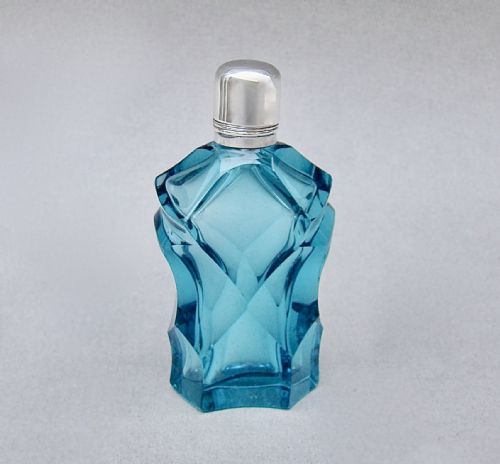
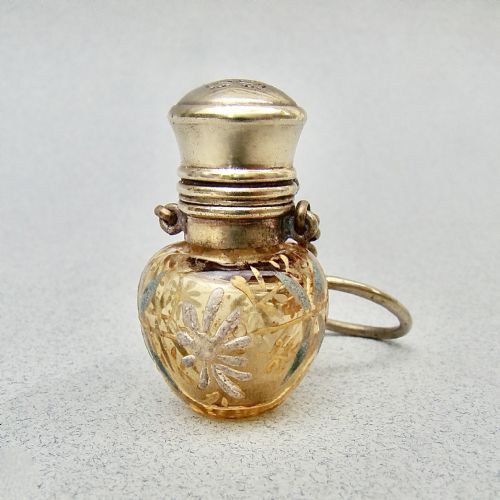
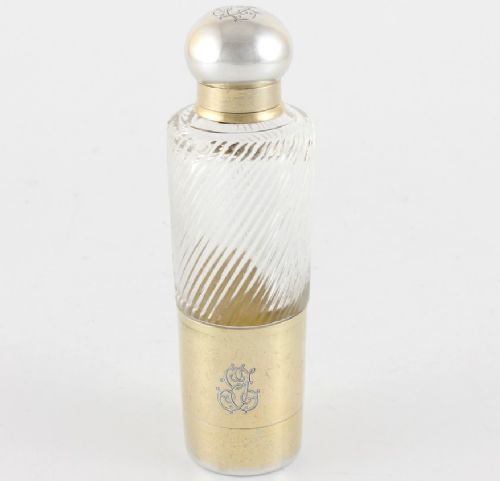
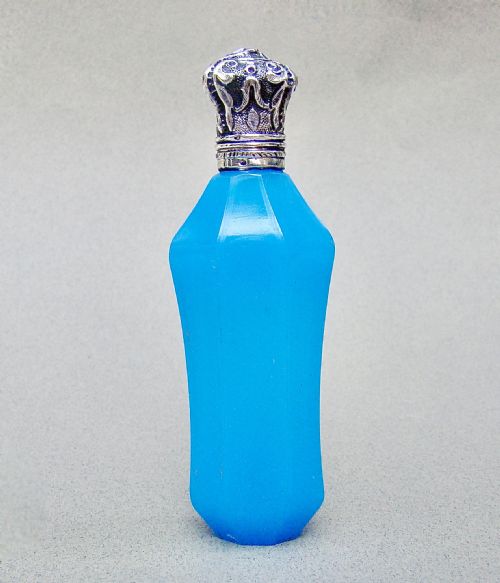
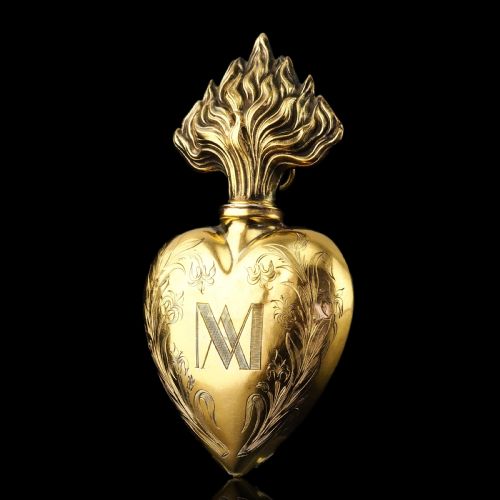
A 19th century perfume bottle spans pocket-sized glass flasks, chatelaine pendants, and fitted vanity boxes designed to hold precious scents. The pieces seen most frequently on this page originate from British and French workshops of the Victorian era.
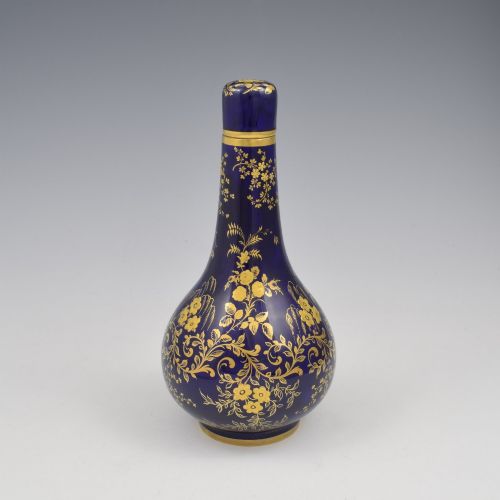
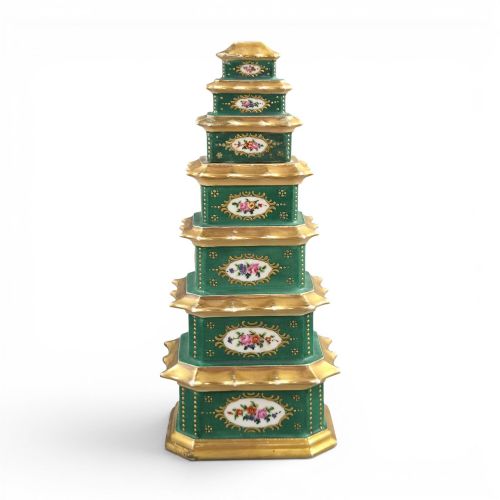
Makers produced these objects in diverse forms, including hinged silver caps, porcelain figures, and miniature violins, alongside traditional glass vessels. Many survive within original travelling sets, caskets, or combined jewellery boxes intended for elite domestic use.
How They Were Made
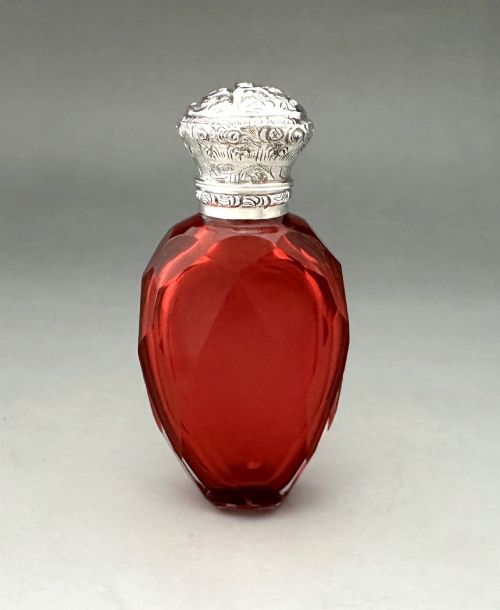
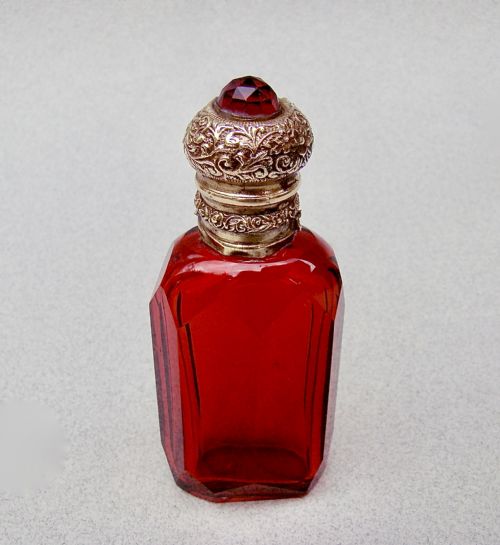
Glass production relied on techniques such as overlay, cutting, and enamelling, creating rich coloured surfaces in ruby, cranberry, opaline, and vaseline glass. Venetian and Bohemian makers also employed complex murrine and latticino methods.
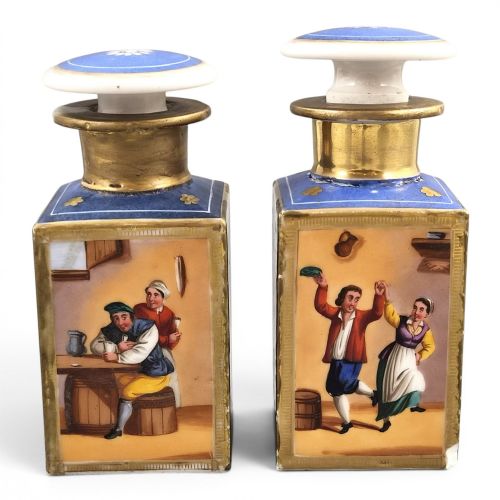
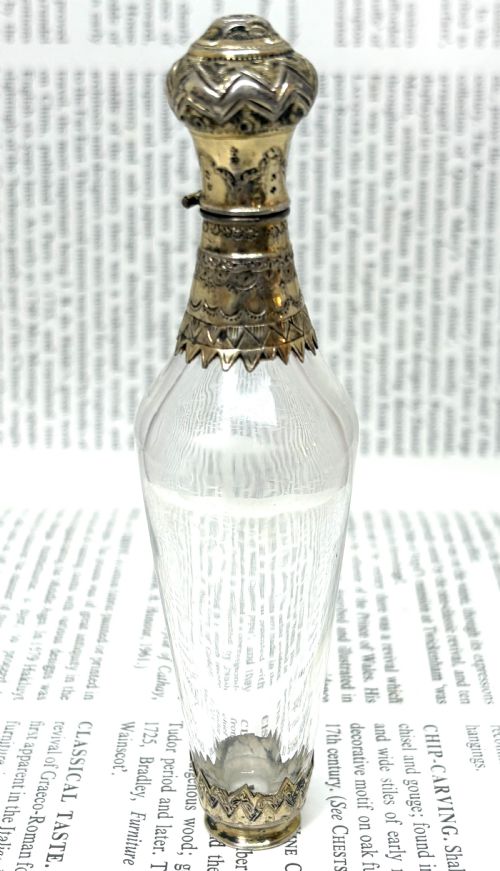
Metal mounts utilised sterling silver, silver gilt, and ormolu, often paired with hand-painted porcelain or carved jade to form the bodies and stoppers.
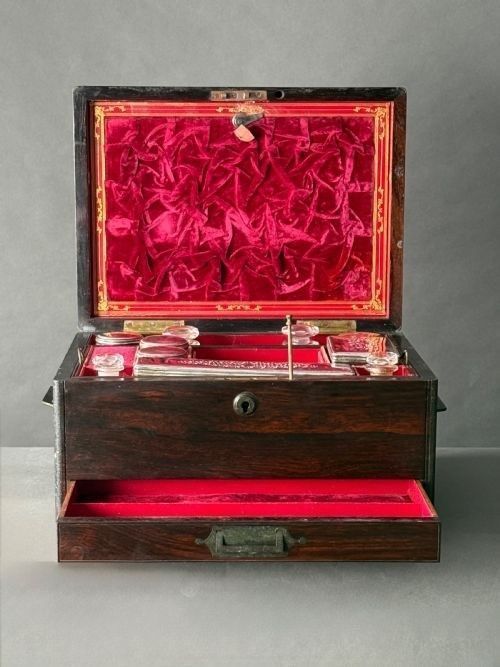
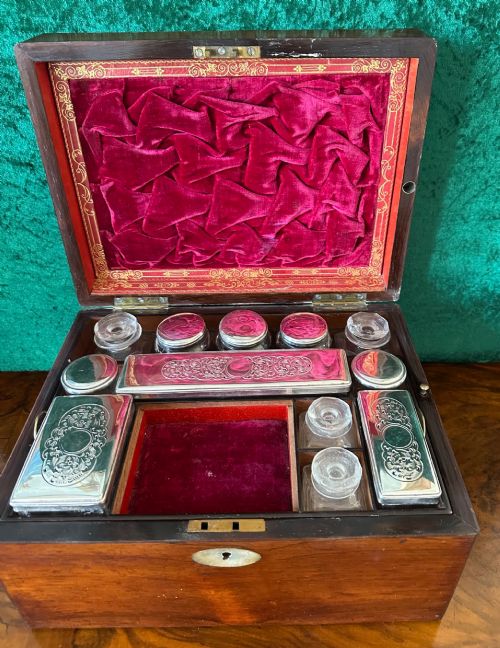
Victorian travellers could purchase complete vanity sets containing multiple matching scent bottles nestled securely in velvet.
What Varies in Quality
The refinement of the metalwork and the complexity of the glass layers dictate the standing of a piece within the period. Heavy overlay cutting and crisp hand-chased silver mounts distinguish higher-tier examples from simpler blown vessels.
The survival of original stoppers, fitted leather or wooden caskets, and delicate enamel decoration preserves the integrity and historical completeness of the object.
Jacob Petit·Edward Smith·Flight Barr And Barr·Royal Worcester·Franchini And Bigaglia
The 19th Century Perfume Bottle Glossary
- Chatelaine
- A decorative belt hook worn with suspended chains for holding utility items like scent bottles. It allowed Victorian women to keep personal accessories accessible at the waist.
- Vinaigrette
- A small ornamental box featuring an internal pierced grille soaked in aromatic vinegar. These fulfilled a deodorising function in crowded or unsanitary environments.
- Opaline glass
- An opaque or translucent art glass developed in France during the nineteenth century. It imitates the appearance of natural opal through various mineral additives.
- Sulphide
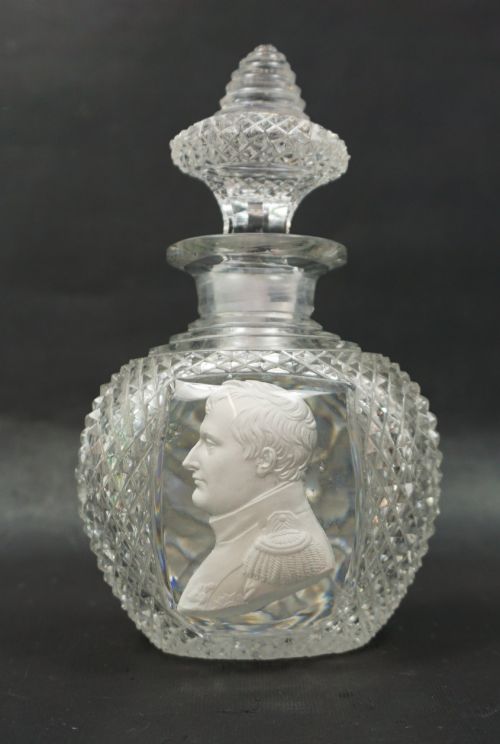
- A small white cameo likeness embedded into clear crystal glass during manufacture. The technique originated in France and appeared frequently in portrait medallions.
- Ormolu
- Gilded bronze used widely for decorative mounts and framing on nineteenth-century luxury objects. It provided a rich gold appearance without solid gold construction.
19th Century Perfume Bottle: Frequently Asked Questions
How were perfume bottles carried?
Owners transported these vessels inside fitted leather travelling boxes, velvet-lined caskets, or suspended them directly from waist chatelaines for daily use.
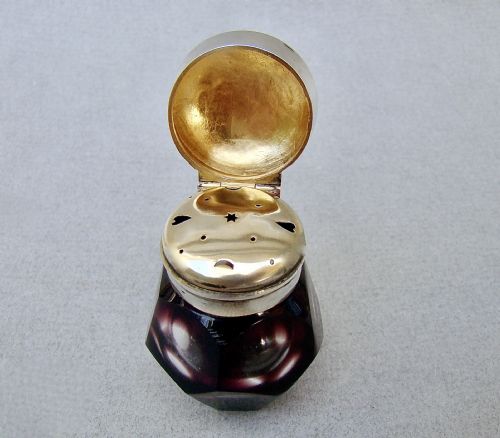
Secure screw-caps and hinged silver mounts prevented leakage while travelling.
What is the difference between a scent bottle and a vinaigrette?
Scent bottles held liquid perfumes and essential oils behind tight stoppers. Vinaigrettes contained sponge soaked in aromatic vinegar positioned beneath a pierced metal grille.
Both items served personal fragrance needs but utilised different internal mechanisms.
How do you date 19th century glass?
Dating relies on stylistic shifts in colour palettes, such as the popularity of opaline and cranberry glass in the mid-century versus vaseline glass later. Hallmarks on silver mounts provide precise manufacturing years.
Maker signatures and regional techniques like Bohemian engraving also narrow down production periods.