




1920s Female Bronze Figure
A 1920s female bronze figure captures the dynamic spirit of the period through striking representations of dancers and figures.
1920s Female Bronze Figure
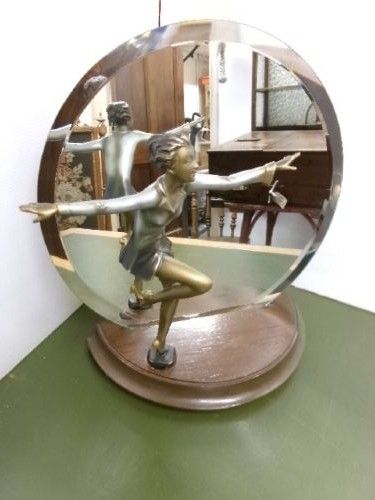
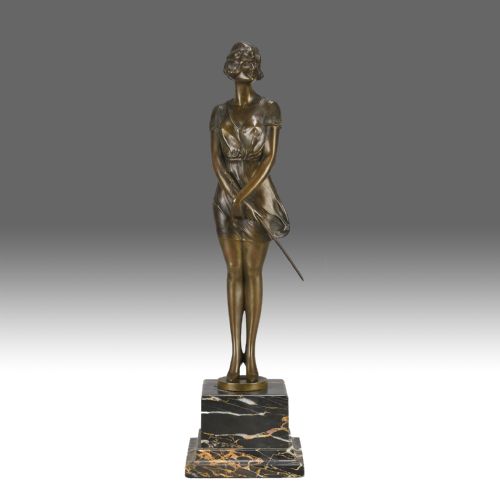
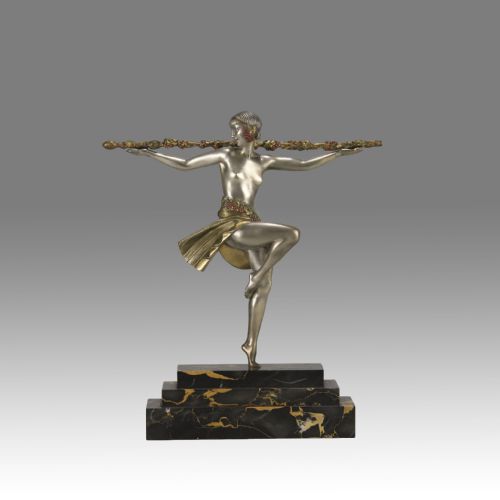
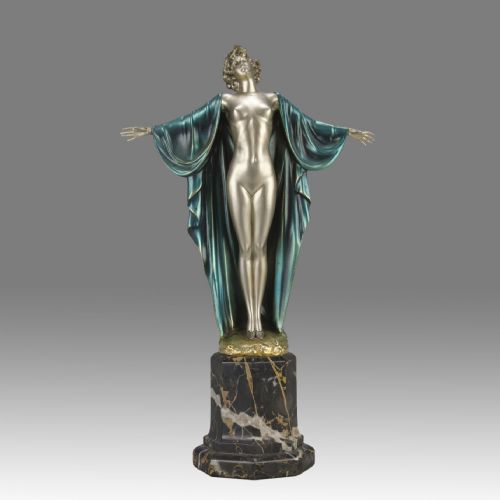
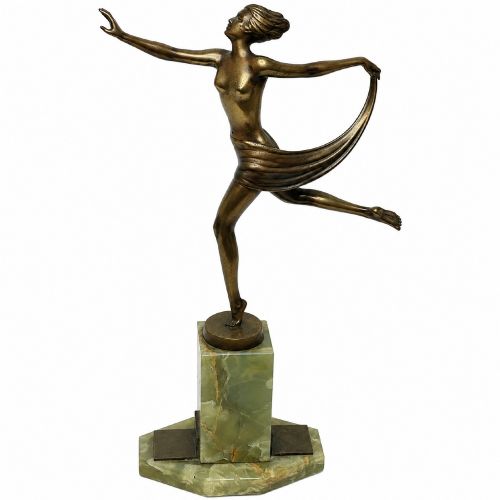
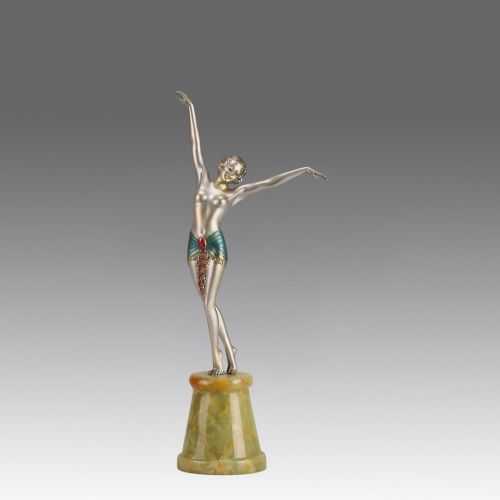
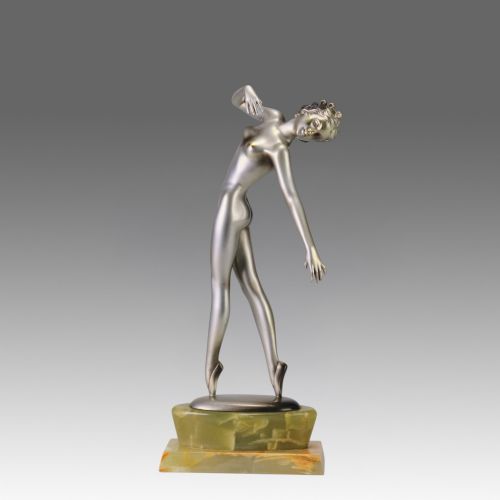
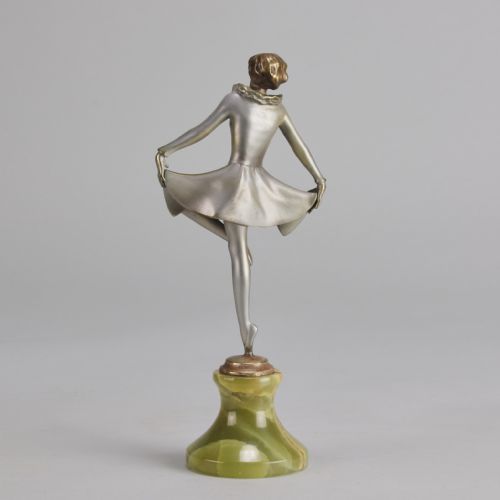
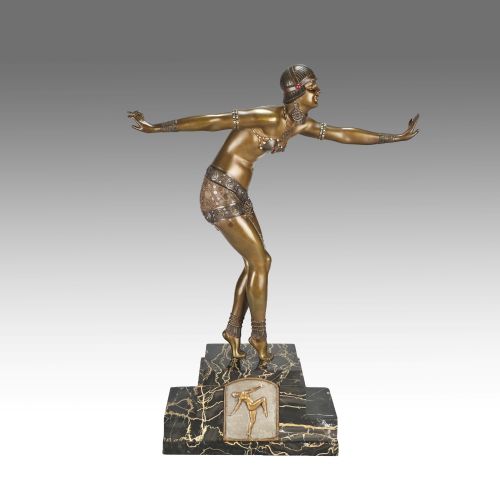
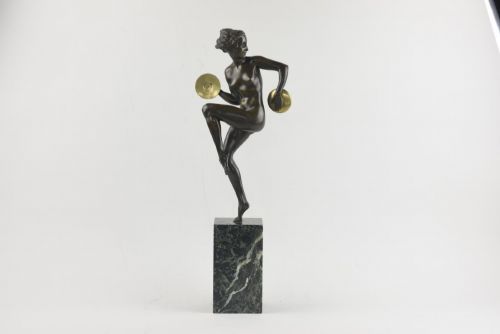
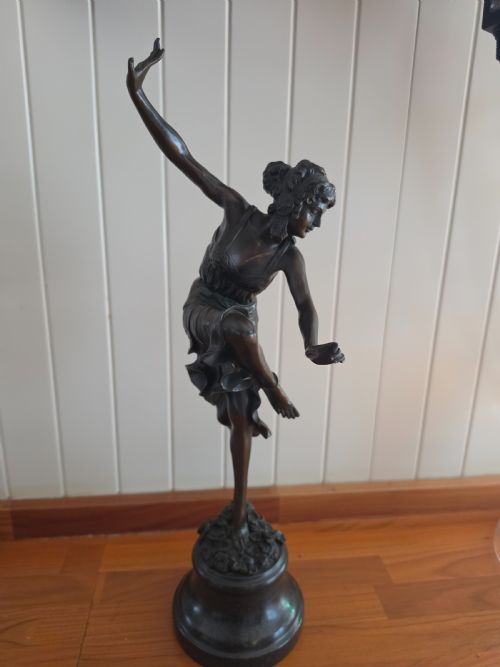
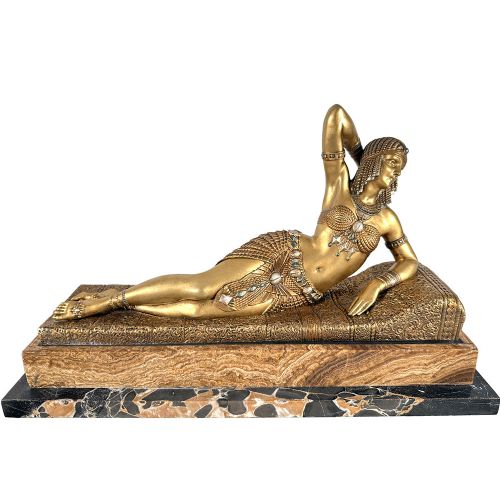
A 1920s female bronze figure typically takes the form of a dancer, an athletic young woman, or an allegorical subject created during the height of the Art Deco movement. These sculptures often stand upon heavy marble or onyx bases, anchoring the slender postures of dancers and performers.
The objects seen here span from the 1910s through the 1930s, heavily weighted toward Art Deco designs with occasional examples of Art Nouveau styling. Forms range from cabinet-sized statuettes and table lamps to advertising display mannequins.
Makers focused intensely on movement, capturing mid-stride dancers, acrobats, and reclining female figures. The overall effect reflects the modernism and theatricality popular in European salons and exhibitions of the interwar years.
Materials and methods
Sculptors frequently combined bronze with carved ivory in chryselephantine pieces, or mounted the metal figures onto thick slabs of marble and onyx. Silvered bronze and patinated metal also appear across the range, offering varied surface textures and tonal contrasts.
Several ladies hold out their arms indefinitely, eternally poised to catch an imaginary partner across the decades.
Variations in quality
The integration of the figure with its stone base also matters, as higher quality examples utilise multi-tiered marble or onyx plinths designed specifically to complement the posture of the bronze.
Bruno Zach·Pierre le Faguays·Ferdinand Preiss·Josef Lorenzl·Demetre Chiparus·Claire Jeanne Roberte Colinet
The 1920s Female Bronze Figure Glossary
- Cold-painted
- A technique where paint is applied to a bronze object after casting without being fired in a kiln. This method allowed makers to add vivid colour to garments and skin.
- Chryselephantine
- A term describing a statue made from a combination of bronze and ivory. The skin parts are typically carved from ivory while the hair and clothing are cast in bronze.
- Patination
- The chemical colouring or weathering applied to the surface of bronze. It provides the dark or variegated tones seen across many period sculptures.
- Spelter
- A zinc alloy commonly utilised as a substitute for bronze. It offers a lighter, less expensive medium for figural casting.
- Lost-wax
- A casting process where a wax model is melted away to leave a mould for molten bronze. This technique permits intricate detail in figural sculpture.
1920s Female Bronze Figure: Frequently Asked Questions
How were these figures displayed in period homes?
These sculptures were typically placed on mantelpieces, sideboards, or dedicated pedestals where their dynamic silhouettes could be viewed from multiple angles. Many doubled as functional items such as table lamps or desk accessories.
Collectors today generally place them in well-lit rooms away from direct sunlight to protect any cold-painted surfaces and delicate stone bases.
What materials accompany the bronze in these sculptures?
Makers frequently mounted bronze figures onto heavy bases made of marble or onyx to provide stability for slender, outstretched poses. Ivory was also employed alongside bronze in chryselephantine works.
Surface finishes commonly include cold-painting, gilding, and silvering to enhance the decorative appeal of the garments and hair.
How do I distinguish Art Deco pieces from earlier styles?
Art Deco pieces from the 1920s and 1930s favour geometric lines, stylised drapery, and energetic representations of modern dancers and athletes. Figures from the preceding decades often display more flowing, organic lines characteristic of Art Nouveau.
Examining the posture and attire of the female figure usually reveals the distinct design ethos of her production era.
Were these figures created as functional objects?
While most were produced purely as decorative sculptures or statuettes, some specific designs were adapted to serve practical purposes. Examples include table lamps and advertising display pieces.
These functional iterations retained the same artistic focus on the female dancer or nude as standard sculptures.