




1920s Chest of Drawers
These pieces combine period practicality with distinct interwar style, giving a room both solid storage and strong decorative character.
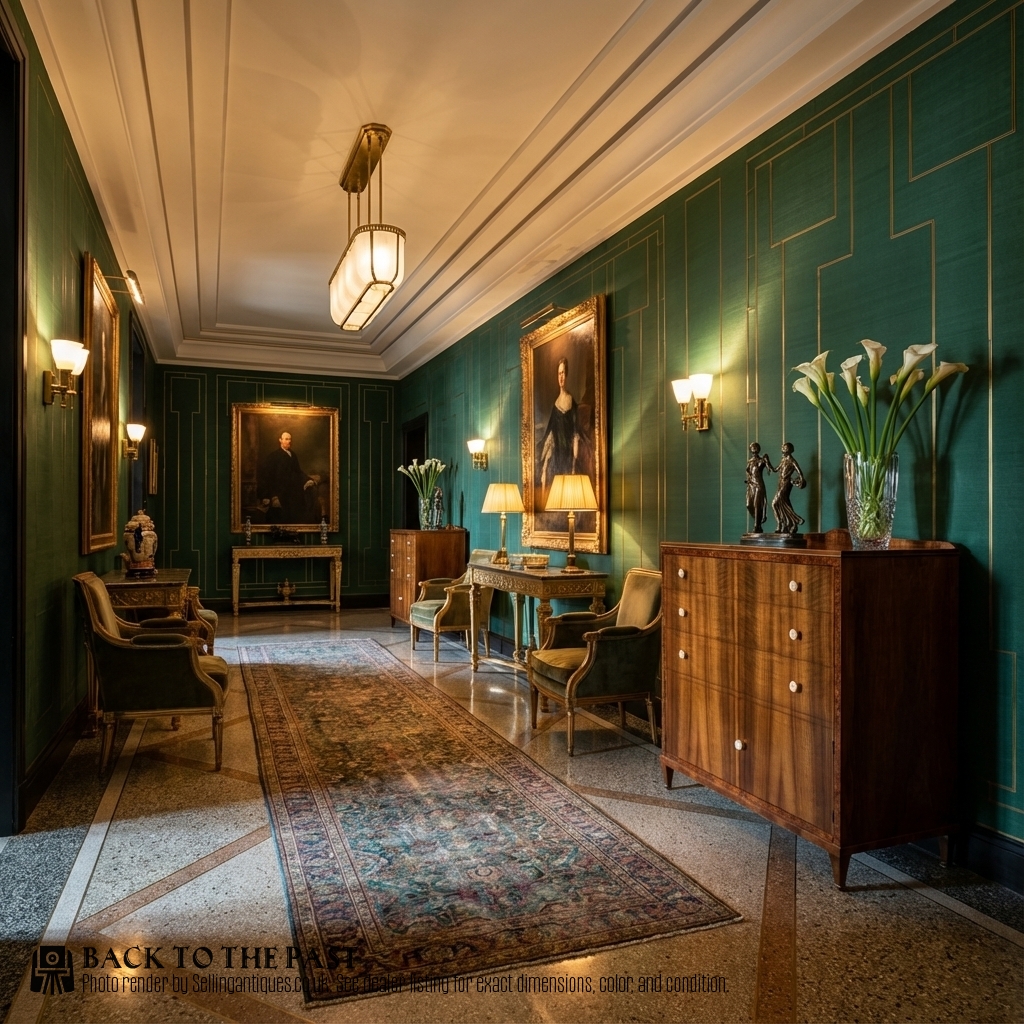
1920s Chest of Drawers
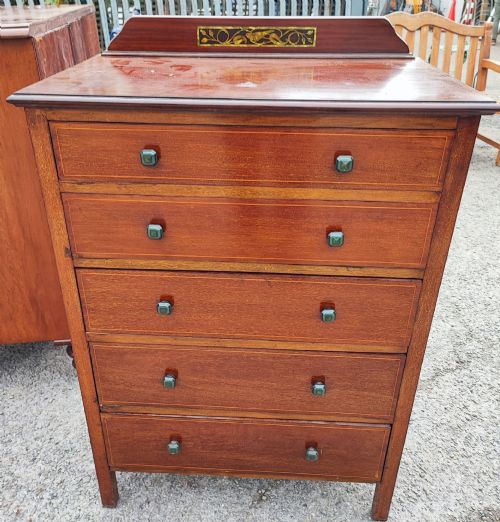
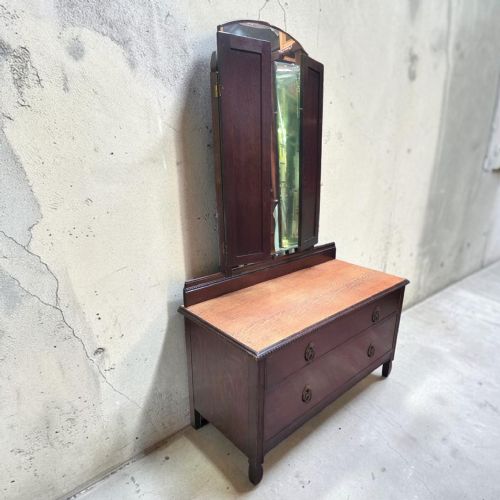
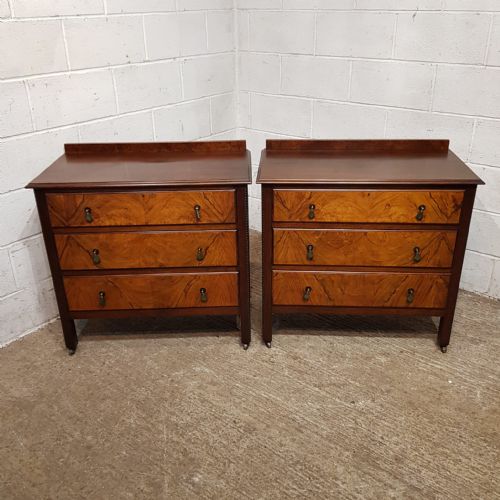
A 1920s chest of drawers encompasses sturdy oak and mahogany bedroom furniture, tallboys, and specialised storage pieces produced around the 1920 and 1930 periods. Buyers frequently encounter walnut and burr walnut examples alongside revival styles that adapt earlier decorative traditions.
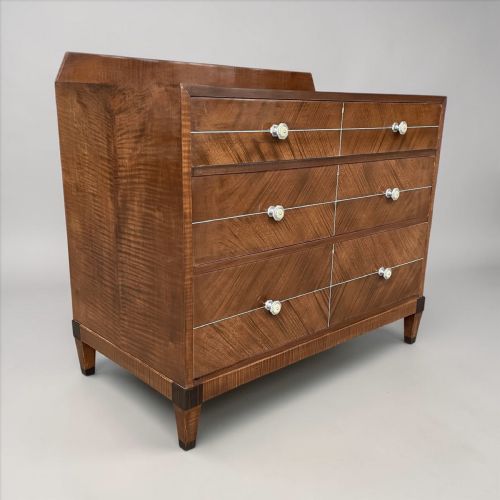
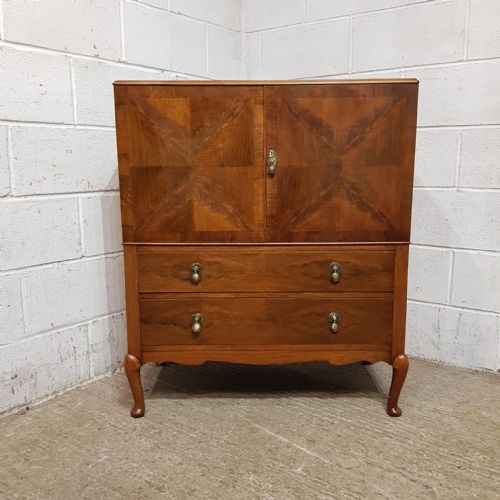
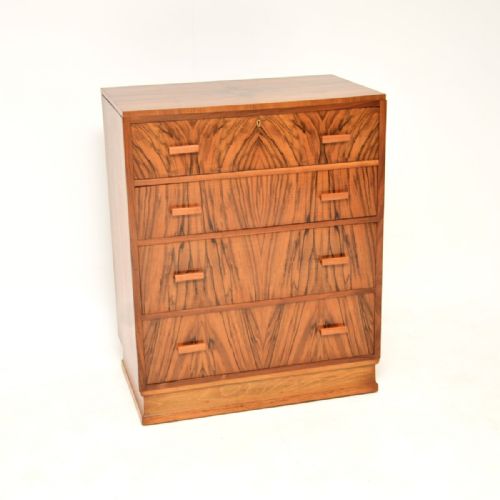
The selection ranges from bow-fronted and serpentine mahogany chests to oak dressing chests and tall upright cabinets. Art Deco designs introduce geometric figured veneers, while specialised forms include collector chests and industrial filing units.
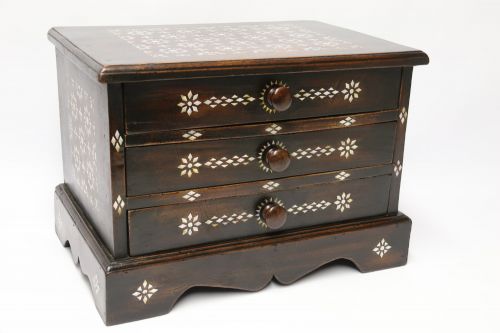
Makers and workshops of the era utilised diverse influences, producing items that span from straightforward English oak drawers to Anglo-Indian hardwood pieces and painted Italian commodes.
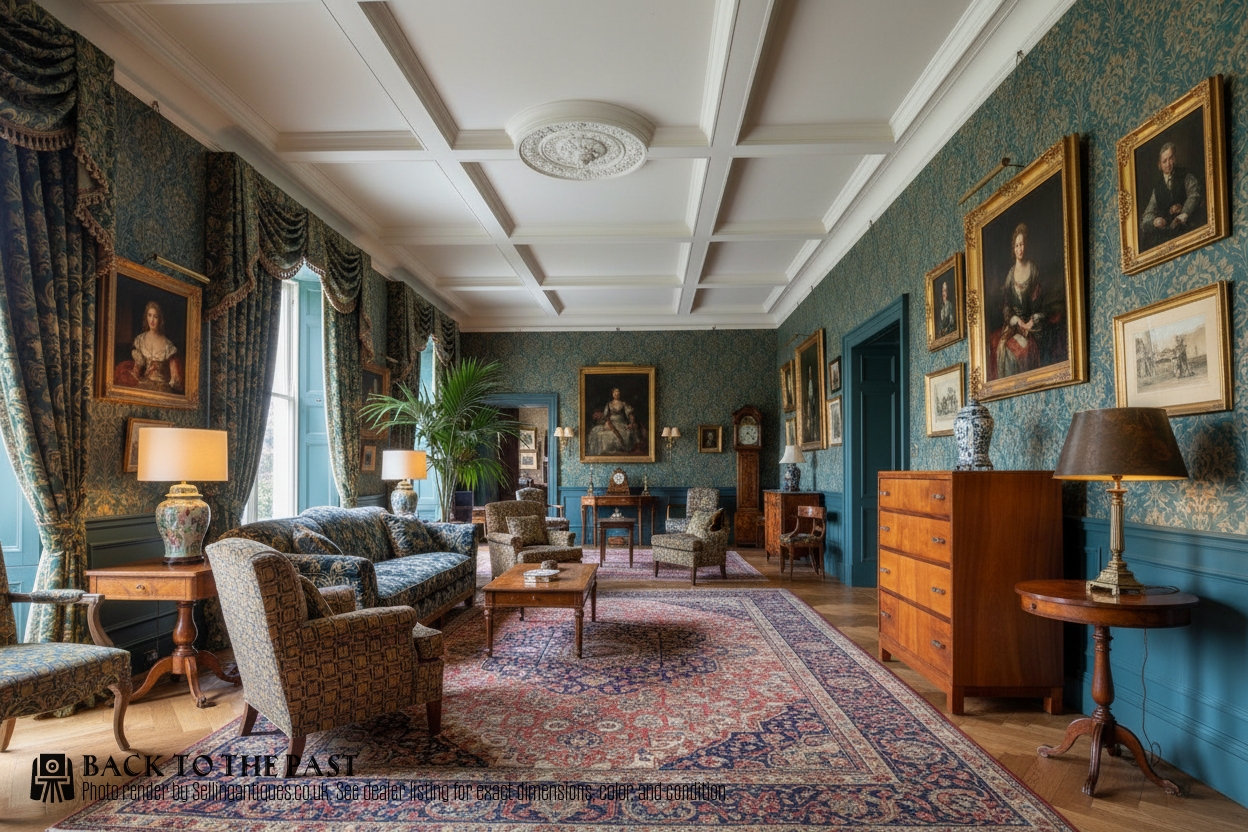
Materials and construction
Cabinet makers relied heavily on timber selections such as mahogany, oak, walnut, and burr walnut, often enhanced by brass hardware and glass elements. Surface decoration extended to japanning, painted finishes, and intricate rosewood inlays.
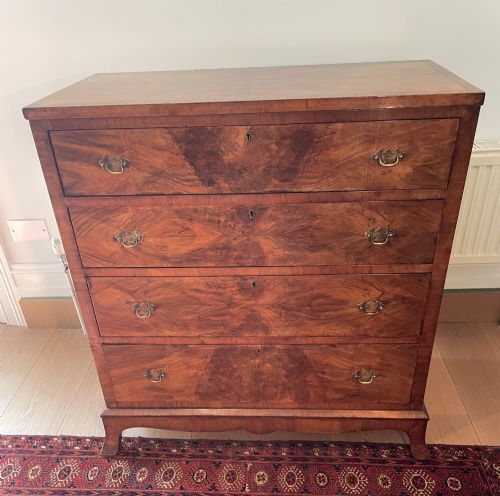
Construction techniques balanced traditional cabinet making with the emergence of industrial forms, utilising durable carcases and fitted drawers. Veneers were carefully laid to highlight the natural grain patterns of burr walnut and figured woods.
1920s Chest of Drawers Retail Price Guide 2026
Typical asking prices for 1920s chest of drawers among the pieces listed under this phrase on Sellingantiques today, from the lower quarter to the upper quarter. They describe what is for sale here now, not the wider market.
Listings feature oak, walnut, burr walnut, and mahogany, alongside revival styles spanning Jacobean, Queen Anne, and Art Deco periods.
Distinctions in quality
Quality rests upon the selection and matching of timber veneers, particularly on burr walnut and figured walnut surfaces where grain continuity defines the visual appeal. Solid construction of the drawer linings and smooth operation distinguish finer cabinet work.
Design ambition separates standard utilitarian pieces from exceptional examples bearing maker attribution, sophisticated serpentine or bow fronts, and specialised brass fittings or inlay work.
Waring s Gillows·Heal s
The 1920s Chest of Drawers Glossary
- Tallboy
- A tall chest of drawers, often comprising a chest placed upon a further base section. This form maximises vertical storage space while maintaining a compact footprint in the room.
- Bow front
- A convexly curved front profile popular in mahogany and walnut cabinet work. This shape softens the room's angles and reflects light across the polished timber surface.
- Serpentine
- A front contour curving outward at the ends and inward at the centre. It demands precise carpentry and signals a higher tier of design ambition.
- Japanning
- A European imitation of East Asian lacquerwork using layered varnishes and pigments. It creates a decorative pale cream or coloured surface finish on period furniture.
- Burr walnut
- Timber taken from the mottled growths of a walnut tree, yielding rich swirling patterns. Cabinet makers prized it for decorative veneering on prominent drawer fronts.
1920s Chest of Drawers: Frequently Asked Questions
How do I identify a genuine 1920s chest of drawers?
Examine the timber species, construction methods, and secondary woods used inside the drawer carcases. The evidence shows prominent use of oak, mahogany, and walnut combined with period hardware.
Stylistic cues such as Art Deco veneering or Jacobean revival twists help anchor the piece firmly within the interwar period.
What is the difference between a tallboy and a standard chest?
A tallboy provides elevated storage capacity by stacking additional drawer tiers vertically, making it ideal for rooms with limited floor space. Standard chests remain lower in profile and often double as dressing surfaces.
Both forms appear frequently in walnut and mahogany across the available inventory.
Are these pieces suitable for modern bedrooms?
These items offer reliable storage proportions that integrate smoothly into contemporary room layouts. Their varied woods, from pale oak to figured walnut, complement diverse interior design schemes.
Specialised forms like bedside cabinets and small drawers adapt easily to modern living spaces.
How should I care for burr walnut veneer?
Keep the wood away from direct sunlight and sudden temperature changes to prevent the delicate veneer from drying or cracking. Regular dusting with a soft, dry cloth preserves the polished surface.
Avoid excessive moisture and commercial silicone polishes that can degrade the historic finish over time.