
1920s Cabinet
A 1920s cabinet brings functional storage with distinctive period ornament into a room.
1920s Cabinet
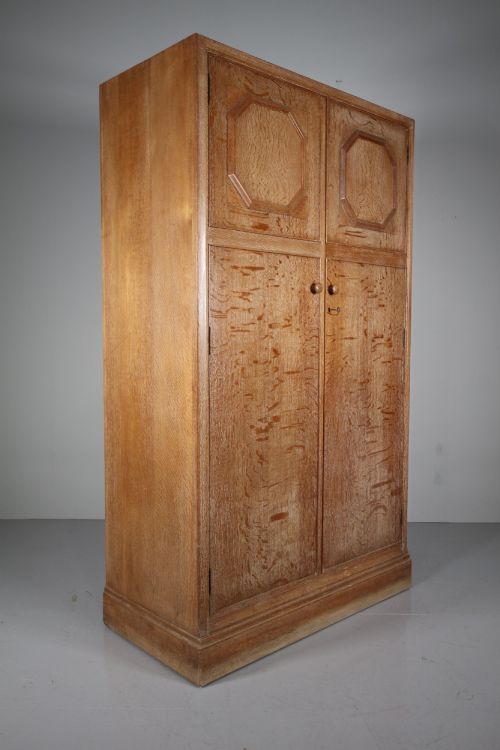
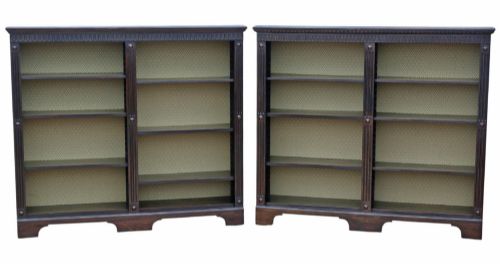
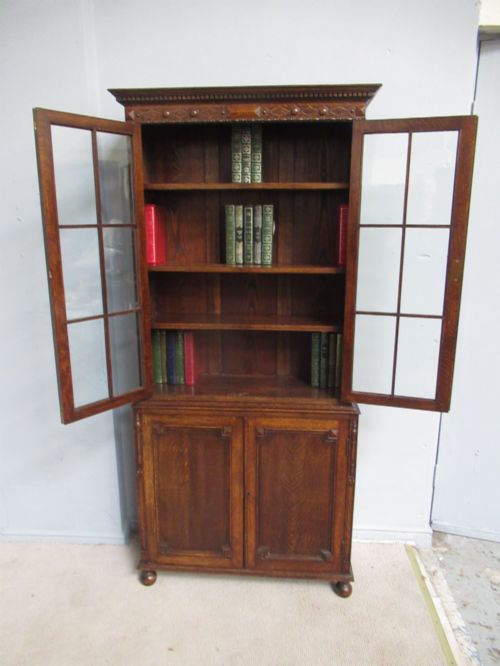
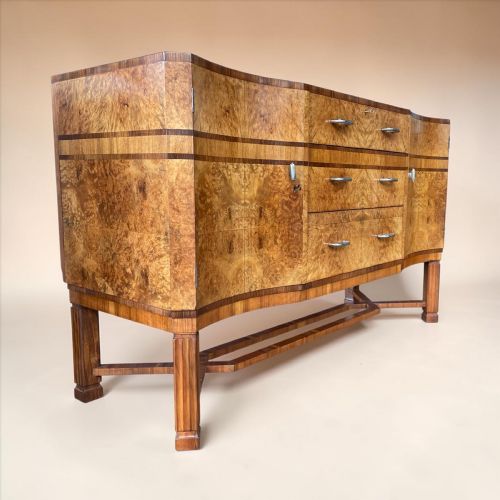
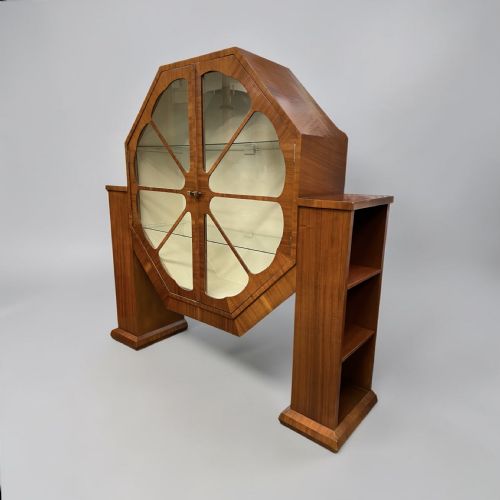
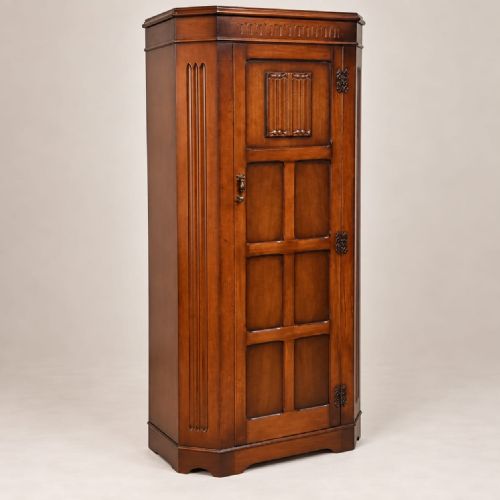
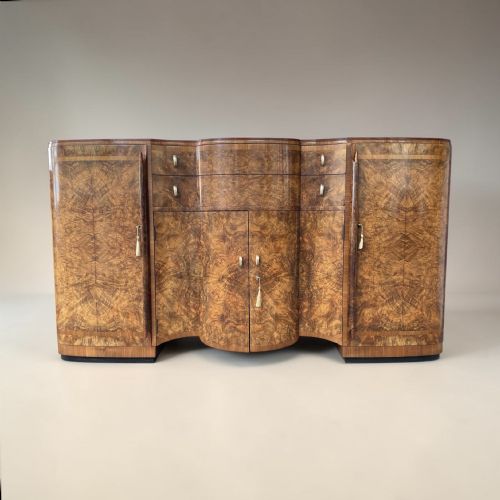
A 1920s cabinet encompasses diverse utilitarian forms including wardrobes, bookcases, sideboards, display units, and drinks cabinets. These pieces emerge from periods spanning the Edwardian era through the 1920s and 1930s, reflecting changing domestic requirements after the First World War.
Buyers meet varied regional styles on this page, ranging from British oak productions to French and Dutch walnut pieces. Domestic furniture ranges from compact bedside items to substantial sectional bookcases and fitted wardrobes.
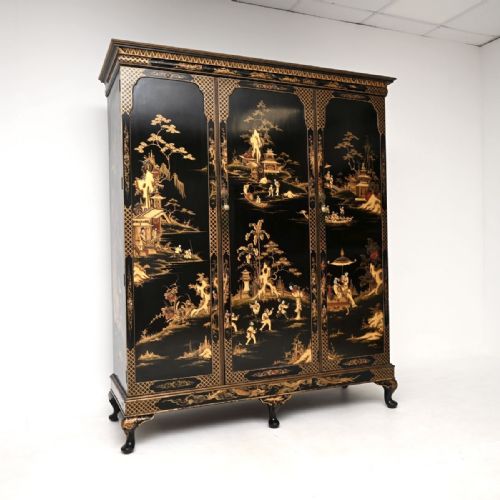
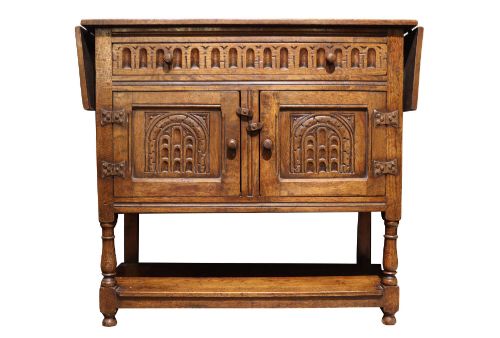
Revival aesthetics sit alongside modern movements in these listings. Pieces manifest in Jacobean, Queen Anne, and Louis XV revival forms, alongside Art Deco, Chinoiserie, and Swedish Grace expressions.
Materials and Construction
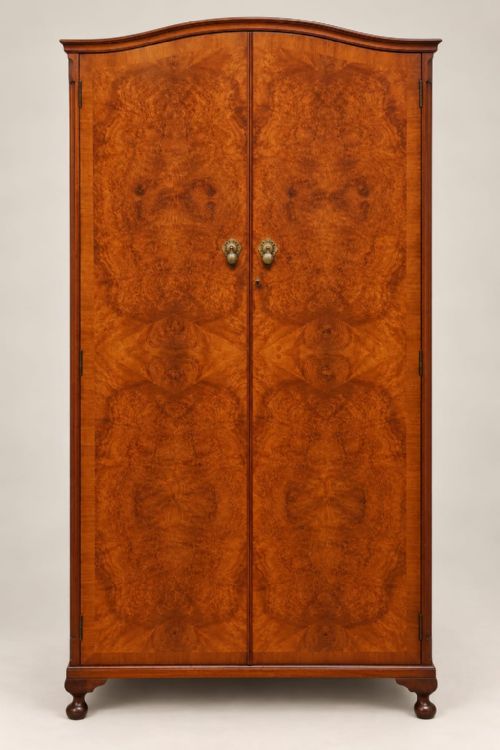
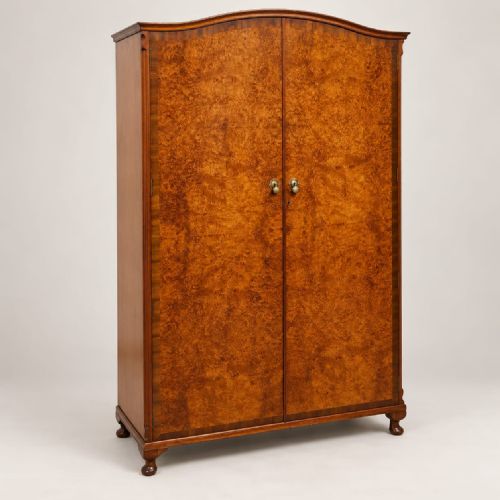
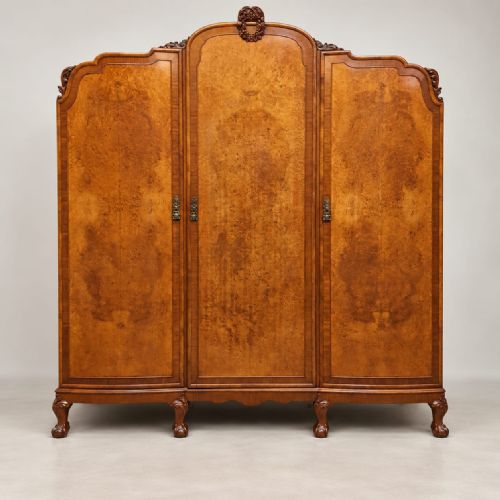
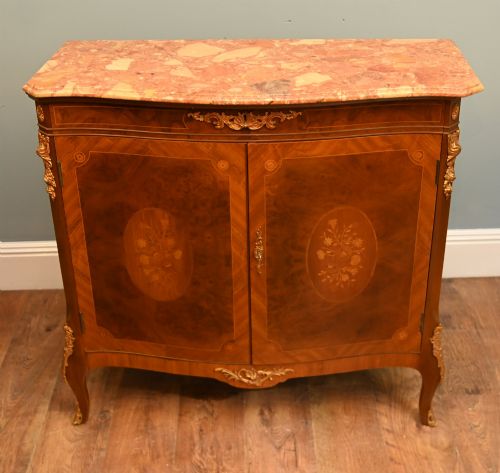
Construction relies heavily on timbers such as oak, mahogany, and walnut, frequently enhanced by decorative burr walnut veneers. Metal hardware in brass and gilt appears across doors and mounts, whilst glass panels feature in bookcases and display cabinets.
Surface finishes include lacquered chinoiserie work and intricate inlay techniques. Carved details define revival pieces, whilst clean geometric lines characterise the Art Deco and Swedish Grace examples.
A revolving drinks cabinet lets your gin and tonic spin into view with minimal effort.
Craftsmanship and Material Selection
The grading of a 1920s cabinet depends upon the selection of timber veneers and the precision of the underlying joinery. Superior examples display carefully matched burr walnut or figured mahogany grains across large surfaces.
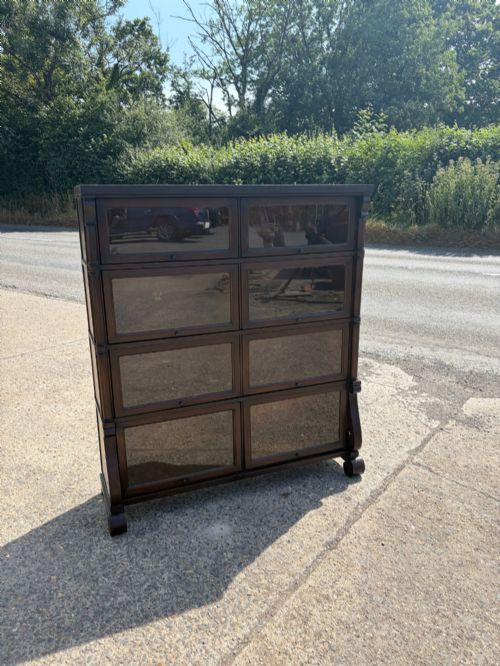
Hardware integration and interior fittings dictate the standard of execution. Well-made pieces utilise solid secondary timbers and robust mechanisms for drop-leaf desks, revolving bars, and sectional bookcase doors.
Hille for Harrods·Macey·Bowman Brothers London·Maurice Adams·M D Miller And Sons·Bath Cabinet Makers
The 1920s Cabinet Glossary
- Burr walnut
- A figured wood veneer derived from the burl growths of walnut trees. It creates intricate, swirling patterns across cabinet doors and drawer fronts.
- Sectional bookcase
- A modular bookcase built from stackable lawyer-style units with up and over glass doors. It allows the shelving capacity to expand vertically.
- Compactum
- A fitted wardrobe designed to combine hanging space with internal drawers, shelves, and trays. It offers comprehensive clothes storage within a single footprint.
- Vitrine
- A glass-fronted display cabinet intended for porcelain and ornaments. It frequently incorporates gilt metal mounts and glazed sides.
- Chinoiserie
- European decorative style imitating Chinese artistic traditions. It employs hand-lacquered surfaces and painted motifs.
1920s Cabinet: Frequently Asked Questions
How do I identify Art Deco pieces?
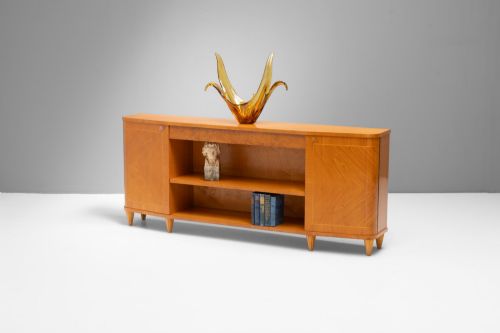
Art Deco furniture relies on symmetrical geometric shapes, streamlined silhouettes, and contrasting veneers such as sycamore and walnut. These designs reject historical revival carving in favour of sleek modernism.
Decoration is minimal, focusing instead on the natural grain patterns of exotic woods and polished metal accents.
Where were drinks cabinets placed?
Cocktail and drinks cabinets found their home in reception rooms and drawing rooms during the interwar period. They provided dedicated storage for glassware, decanters, and bottles during home entertaining.
Many incorporate drop-down serving surfaces and mirrored interiors to display cocktail accessories.
Are revival styles common?
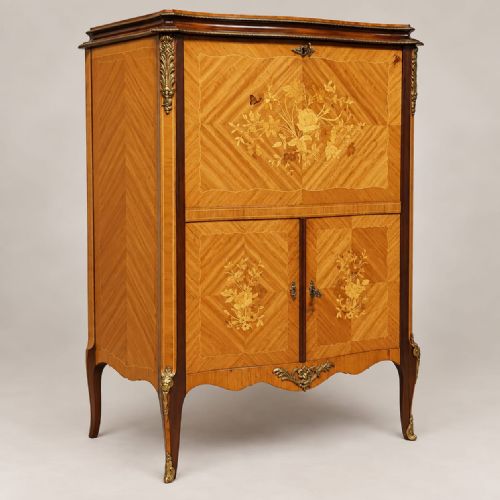
Revival designs draw heavily on seventeenth and eighteenth-century British and continental aesthetics. Pieces frequently display Jacobean twist legs or Louis XV inlay work.
These traditional forms merge period decorative motifs with the proportions required by twentieth-century homes.
What is a tallboy?
A tallboy combines the height of a tall chest of drawers with dedicated upper cabinet storage. It maximises vertical storage capacity while maintaining a modest floor footprint.
These pieces suit bedrooms and dressing rooms requiring extensive folded clothes storage.