

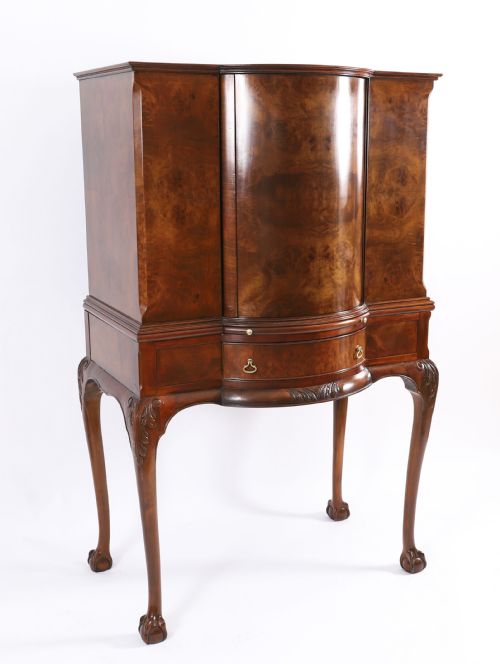
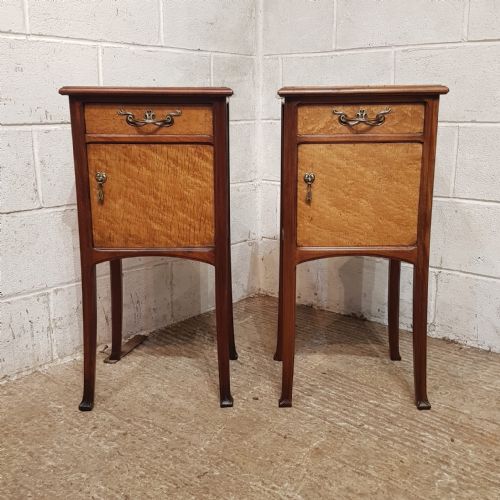
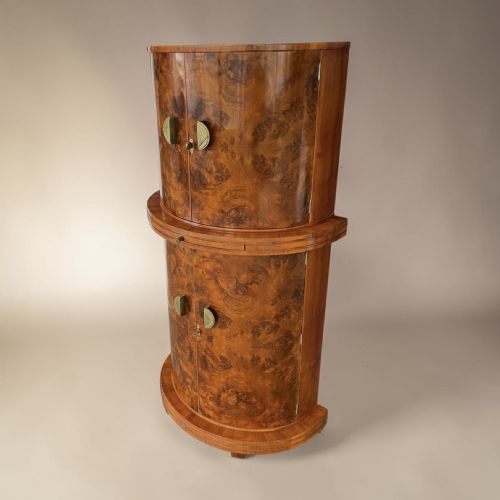
1920s Burr Walnut Cabinet
A 1920s burr walnut cabinet offers striking grain patterns and practical storage, making it a sophisticated centrepiece for a modern interior.
1920s Burr Walnut Cabinet
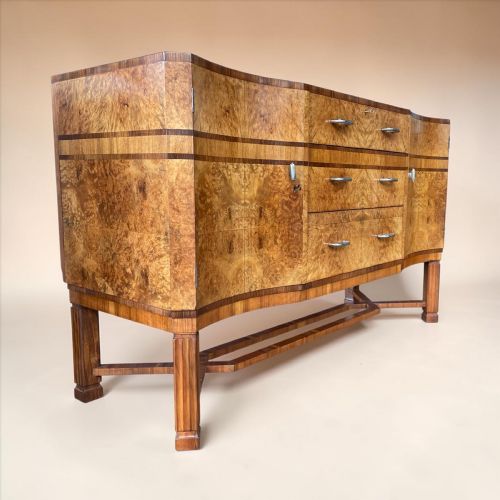
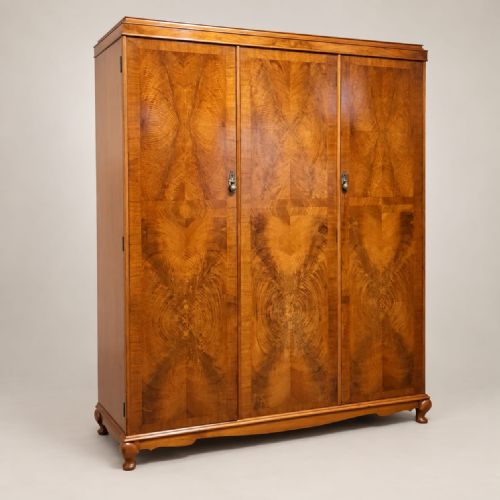
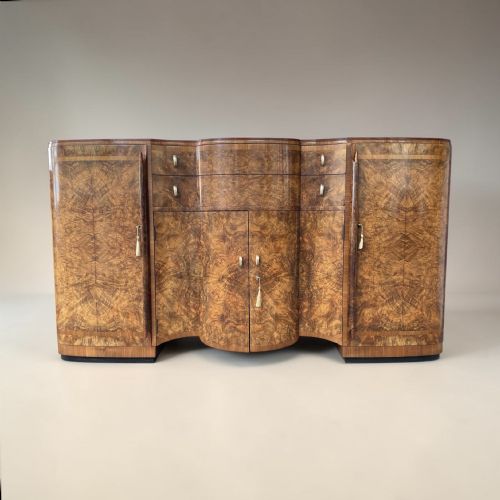
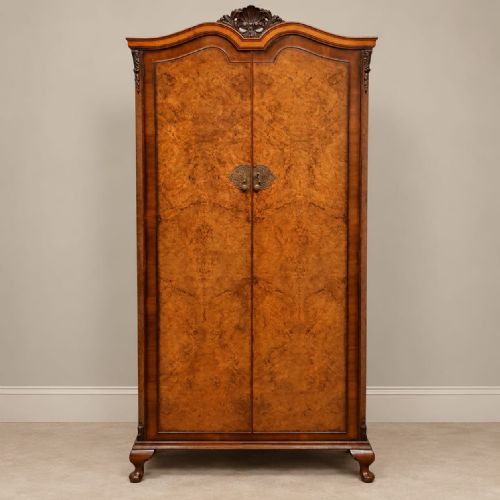
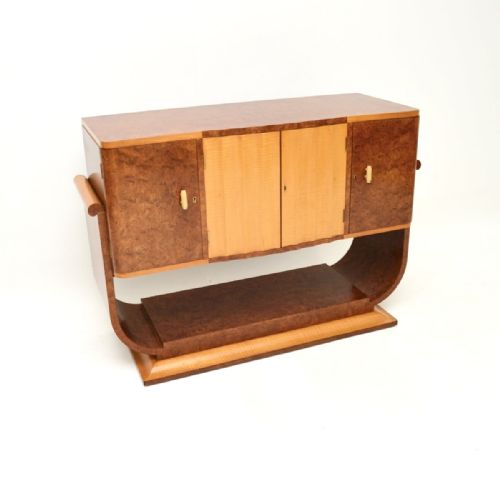
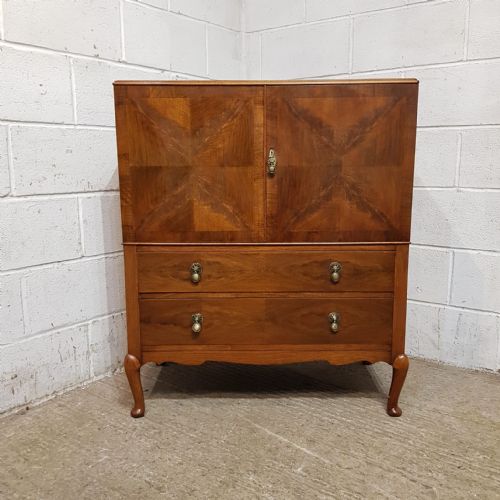
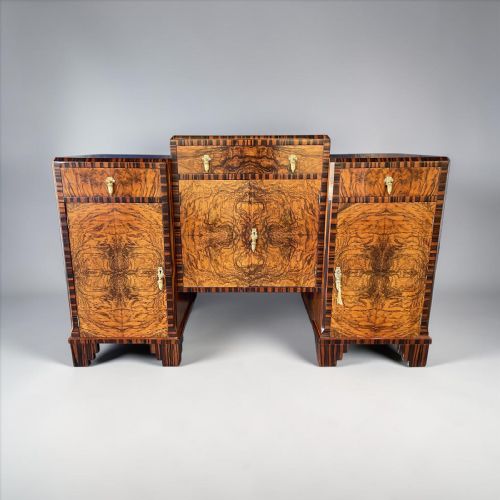
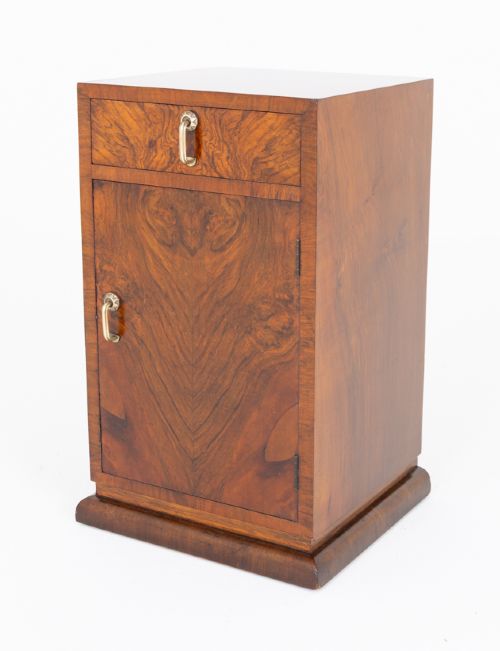
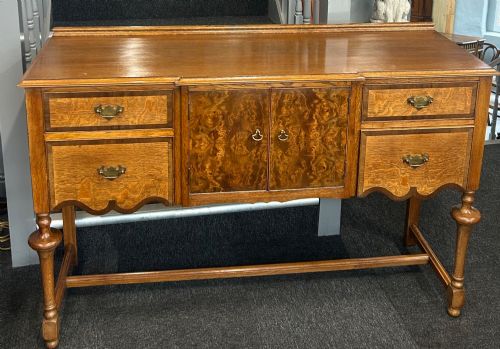
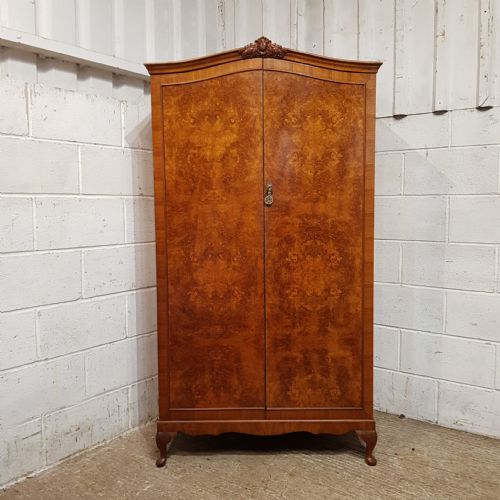
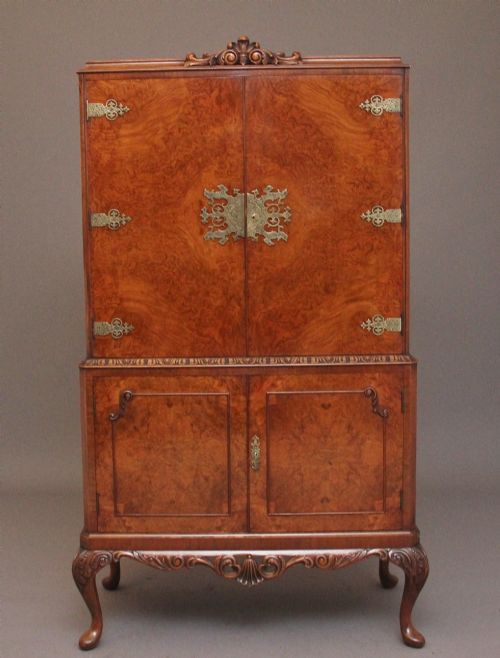
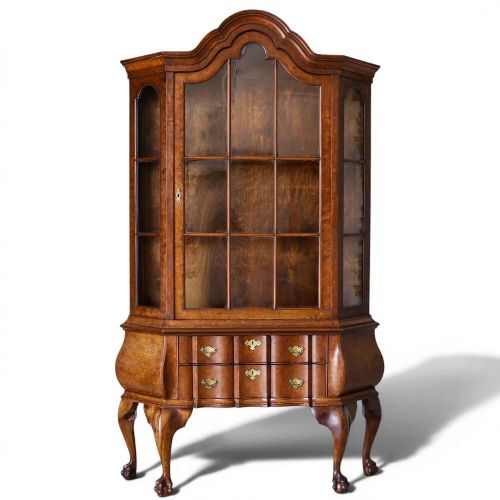
A 1920s burr walnut cabinet encompasses a diverse range of furniture types designed for both display and storage. Buyers searching this phrase encounter cocktail cabinets, drinks cabinets, sideboards, wardrobes, tallboys, bedside cabinets, display cabinets, and chests of drawers.
The pieces on this page span the 1920s and 1930s periods, reflecting stylistic shifts from revivals to modernist designs. Art Deco forms dominate alongside Queen Anne, Edwardian, Dutch Baroque, and French Art Deco revivals.
Cocktail and drinks cabinets feature prominently among the available formats, often fitted with interior compartments for glassware and bottles. Sideboards and tallboys provide larger storage capacities while displaying the distinctive figured wood across their facades.
Distinctions in craftsmanship
The quality of a piece rests heavily on the selection and bookmatching of the burr walnut veneer across large surfaces. Superior examples display continuous, mirrored grain patterns that flow seamlessly across drawers and cabinet doors.
Maker attribution elevates certain pieces, with workshops such as Maurice Adams, Harry and Lou Epstein, and Beresford and Hicks representing high standards of period design and cabinetmaking. The integration of fitted interiors, such as pull-out slides in cocktail cabinets and dovetailed drawer construction, separates standard production from exceptional work.
Revolving cocktail cabinets let you spin your gin collection into action with a single cheerful turn.
Maurice Adams·Harry And Lou Epstein·Beresford and Hicks
The 1920s Burr Walnut Cabinet Glossary
- Burr walnut
- A veneer taken from the warted excrescence on a walnut tree, producing intricate and swirling grain patterns. It requires skilled application to cover curved and flat surfaces alike.
- Veneer
- A thin layer of superior wood glued to a base timber to provide a decorative surface. This technique prevents warping while showcasing expensive grain figures.
- Tallboy
- A tall chest of drawers, often standing on a base or legs, providing vertical storage. This form became popular for bedrooms and dressing rooms.
- Cocktail cabinet
- A specialised piece designed for home entertaining, typically featuring a drop-down mixing surface and illuminated interior compartments. These drinks cabinets reflect the social habits of the interwar period.
- Art Deco
- A design style characterised by sleek geometric shapes, stylised motifs, and streamlined forms. It heavily influences the aesthetic of the 1930s pieces on this page.
1920s Burr Walnut Cabinet: Frequently Asked Questions
What is a burr walnut cabinet?
A burr walnut cabinet is a piece of furniture finished with highly figured wood veneer derived from walnut tree growths. These cabinets date from the 1920s and 1930s and include forms such as cocktail bars, sideboards, and tallboys.
The distinctive swirling grain patterns make each piece visually unique. Makers of the period utilised this decorative wood to create striking focal points for formal rooms.
How do I style a 1920s cabinet?
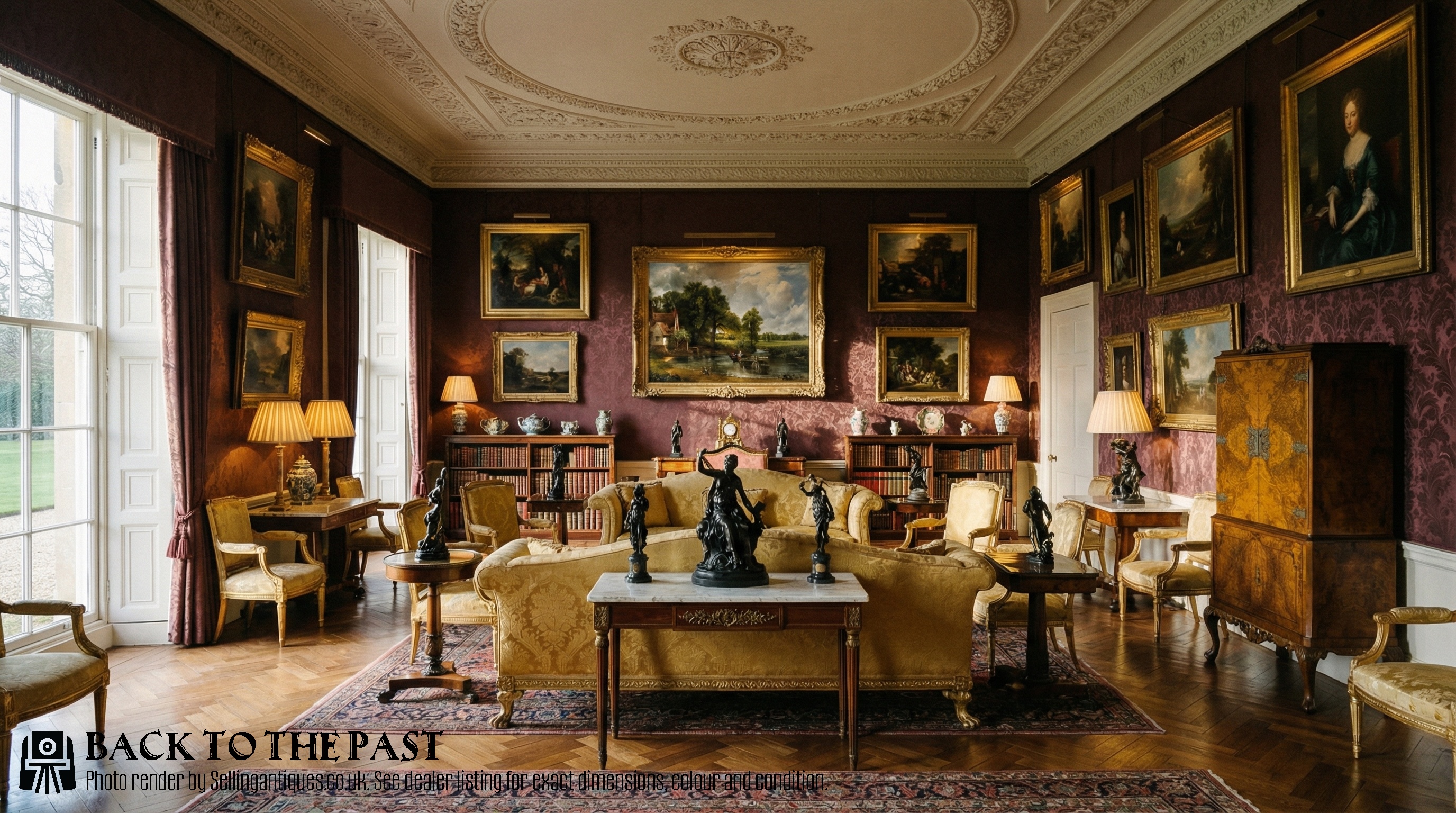
These cabinets suit both traditional interiors and modern minimalist spaces as statement pieces. Cocktail cabinets work well in living rooms or dining areas, while bedside cabinets fit contemporary bedrooms.
The rich brown tones of the walnut pair effectively with neutral walls and metallic accents. Keeping surrounding decor simple allows the natural wood grain to remain the visual focus.
How to tell Art Deco from revival styles?
Art Deco pieces from the 1930s lean towards geometric symmetry, stepped outlines, and unadorned surfaces. Revival pieces incorporate historical motifs from Queen Anne or Dutch Baroque eras.
Looking at the leg shapes and hardware provides clues to the design lineage. Revival pieces often feature cabriole legs or ornate handles, whereas Art Deco examples prefer streamlined silhouettes.
What were drinks cabinets used for?
Drinks cabinets served as dedicated storage for spirits, glassware, and mixing equipment during the interwar cocktail revival. They often featured mirrored interiors and pull-out slides for serving.
Owners kept them in reception rooms to entertain guests before dinner. The lockable doors kept valuable bottles secure when not in use.