


1920s Bronze Art
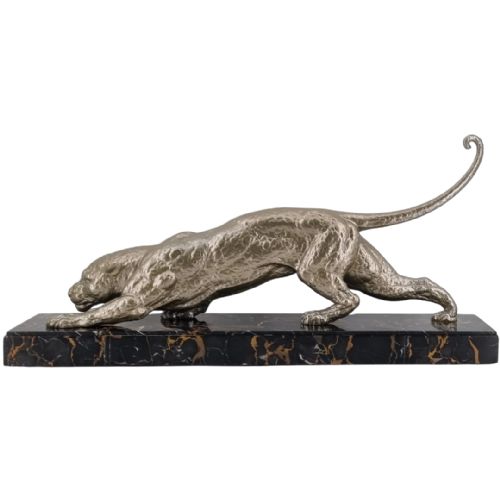
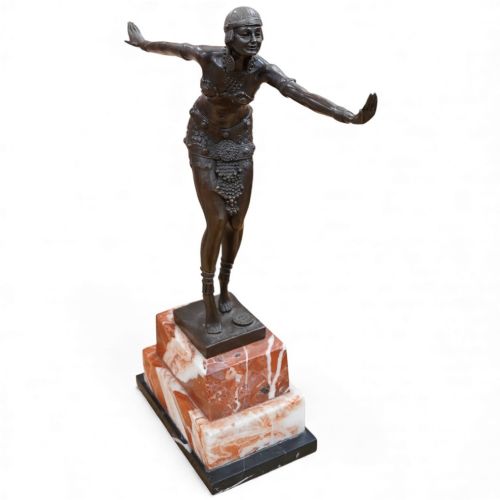
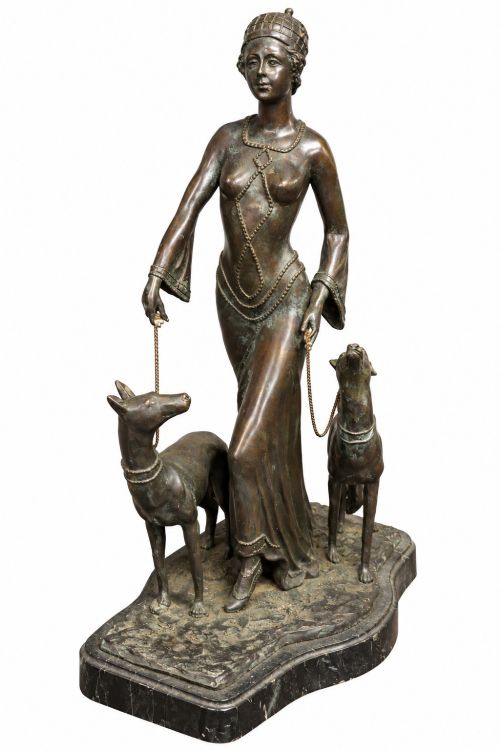
These pieces of 1920s bronze art capture the distinctive lines and kinetic energy of the early twentieth century through striking figures, lamps and desk accessories.
1920s Bronze Art
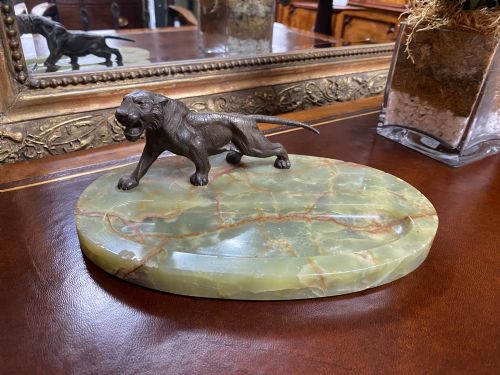
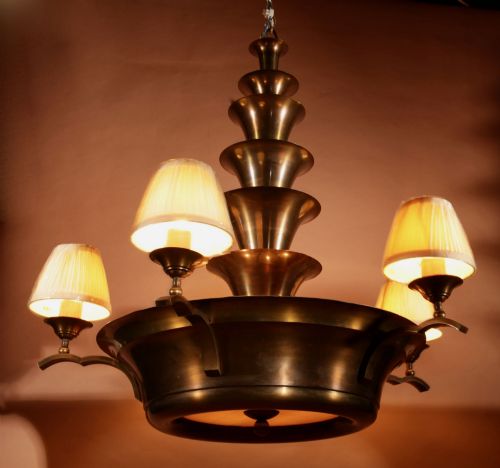
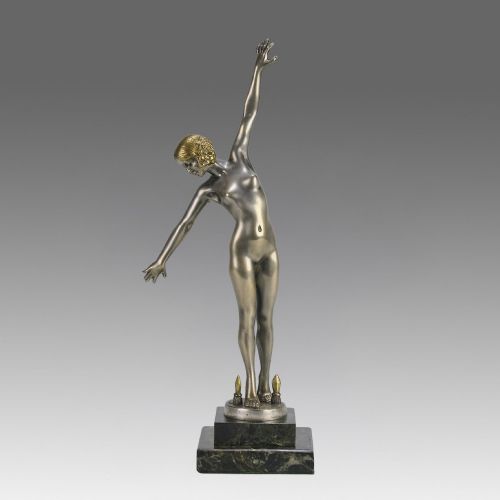
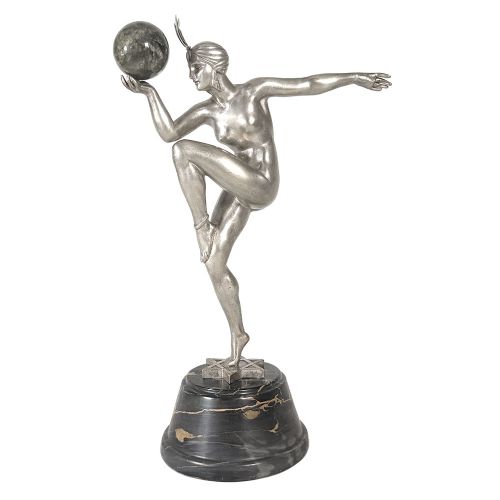
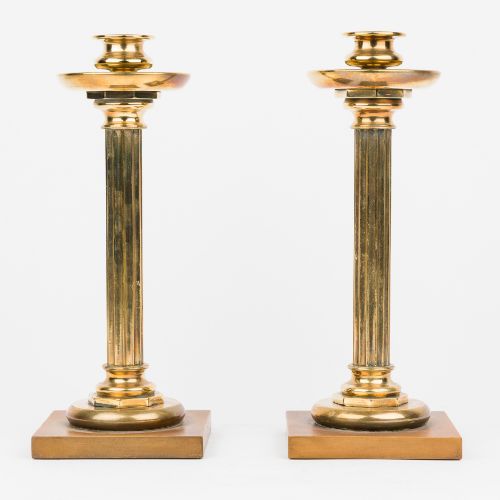
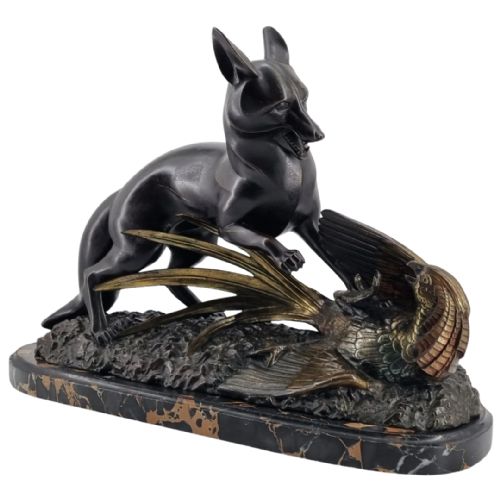
When you search for 1920s bronze art, you encounter a focused selection of decorative items that reflect the dominant aesthetics of Art Deco and Bauhaus styles. The majority of pieces on this page take the form of sculptural figures, particularly dancers and animals, alongside functional objects like table lamps and desk accessories.
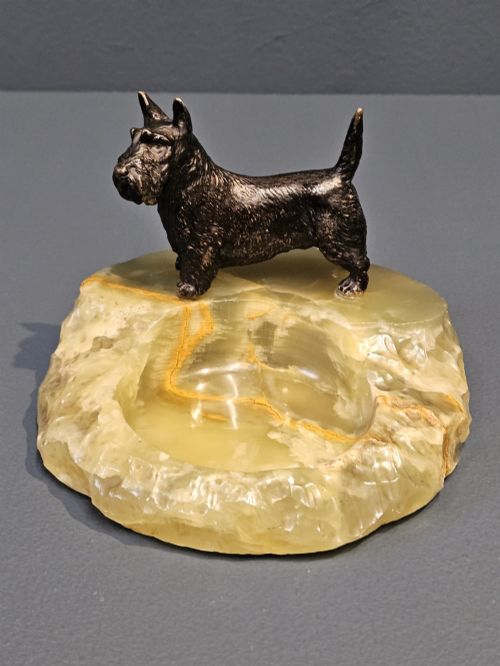
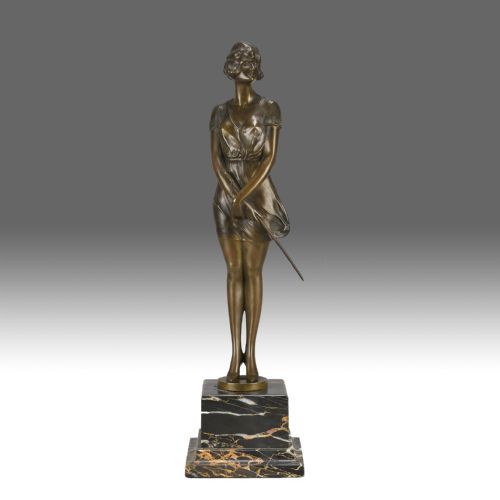
Originating largely from the early twentieth century, these works frequently combine cast bronze with contrasting materials such as marble or onyx bases. Dancers in motion and athletic studies dominate the sculptural output, capturing the modern dynamism associated with the period.
Materials and construction methods
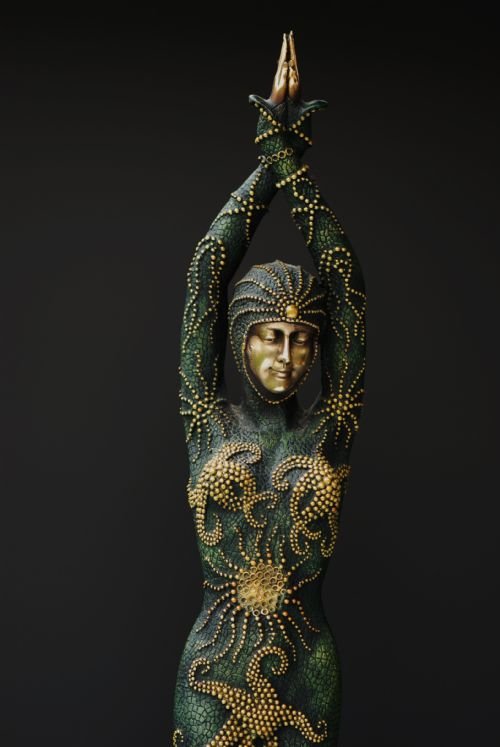
The objects seen here rely on traditional metalcasting techniques, utilising bronze, silvered bronze, gilt bronze, and patinated metal to achieve varied surface finishes. Cold-painting is frequently employed on figurative works to add realistic or decorative colour directly onto the metal surface.
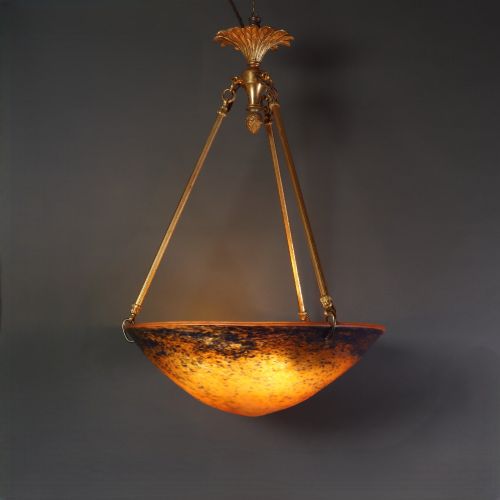
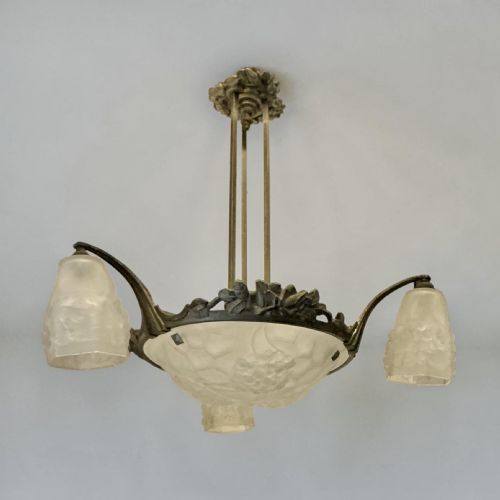
Many sculptures and desk accessories are mounted on heavy stone plinths made of marble or onyx to provide stability and visual contrast. Glass elements, including frosted glass and plafonnier shades, appear alongside metal components in lighting fixtures from the era.
1920s Bronze Art Retail Price Guide 2026
Typical asking prices for 1920s bronze art among the pieces listed under this phrase on Sellingantiques today, from the lower quarter to the upper quarter. They describe what is for sale here now, not the wider market.
The inventory includes functional lighting and desk accessories alongside decorative sculptures representing the Art Deco and Bauhaus styles.
Distinctions in quality
Quality in these works is determined by the crispness of the casting detail and the nuance of the surface finish, whether patinated, cold-painted, or gilt. Finer pieces retain intricate facial expressions, garment textures, and fluid bodily proportions that reflect the skill of the original modeller and caster.
The integration between the metalwork and its supporting base, such as fitted marble or onyx plinths, also separates standard production items from more substantial creations. Superior examples demonstrate careful balancing and secure mounting that complement the dynamic poses of dancers or animals.
Georges Gori·Charles Schneider·Lavroff·D. H. Chiparus·Maurice Giraud-Rivière·Degué·Bruno Zach·Josef Lorenzl·Eugene Canneel·Aurore Onu·C J R Colinet·Charmereine·Zoldan Kovats·Jaeger·Wilhelm Wagenfeld·P. Sega·Paul Philippe
The 1920s Bronze Art Glossary
- Cold-painted bronze
- A technique where oil paint or enamel is applied to a bronze object after casting without subsequent firing. This method allows for detailed polychrome decoration on garments and animal plumage.
- Plafonnier
- A ceiling-mounted bowl light fixture that sits flush or close to the ceiling. These fixtures often feature moulded or frosted glass shades supported by metal mounts.
- Chryselephantine
- A term describing statues made from a combination of bronze and ivory. This method was widely utilised by period sculptors to render flesh tones alongside metallic garments.
- Spelter
- An alloy of zinc and lead or tin used as a less expensive alternative to bronze. It appears frequently in period decorative figures and is often finished with a bronze-like patina.
- Patination
- The chemical treatment applied to the surface of bronze to alter its colour and texture. This process protects the metal while enhancing visual depth and shadow.
1920s Bronze Art: Frequently Asked Questions
What subjects are most common?
Figurative works depicting dancers, acrobats, and female forms dominate the sculptural output of this era. Animals such as dogs, panthers, and stags also appear frequently.
These subjects reflect the fascination with movement, speed, and modern grace that characterised the design ethos between the wars.
How do I identify a period piece?
Authentication relies on examining the casting methods, material combinations like bronze on marble bases, and characteristic stylistic markers of Art Deco and Bauhaus design. Signatures or foundry marks stamped into the metal provide further clues.
Comparing the proportions and surface patination against documented examples by known makers helps confirm the date of manufacture.
Where were these items used?
These decorative objects served primarily as interior ornaments for fashionable interwar homes, adorning mantelpieces, sideboards, and desks. Lighting fixtures such as ceiling lights and table lamps illuminated formal reception rooms and halls.
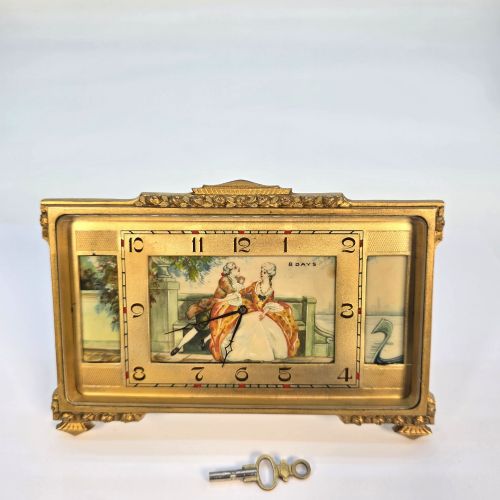
Desk accessories and clocks were designed for executive offices and private studies, combining utility with modern decorative flair.
How should I care for bronze?
Maintenance requires gentle dusting with a soft, dry cloth to prevent the accumulation of dirt on patinated or painted surfaces. Avoid using chemical polishes or abrasive cleaners that can strip the original patina or cold-painted details.
Keeping the pieces away from direct sunlight and excessive moisture preserves both the metal and the attached marble or onyx bases.