



1920s Art Deco Timepiece
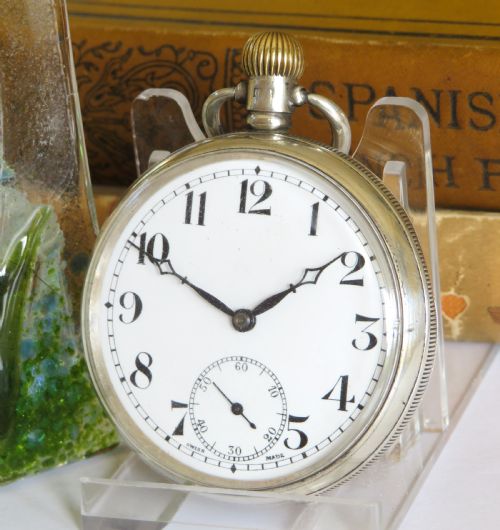
A 1920s art deco timepiece brings geometric clarity and bold period styling to the desk or wrist.
1920s Art Deco Timepiece
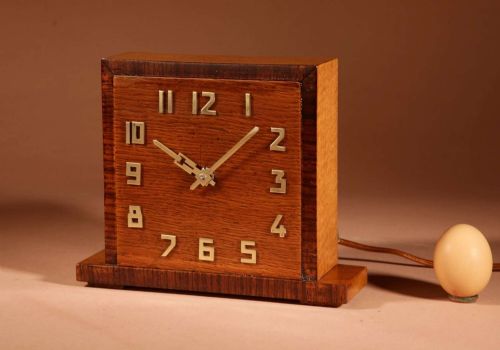
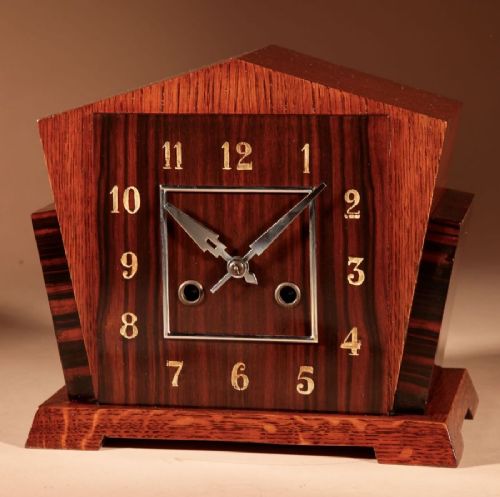
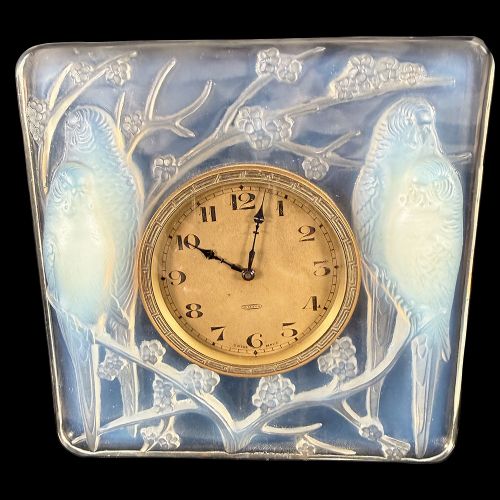
A 1920s art deco timepiece encompasses everything from heavy architectural mantel clocks to delicate diamond-set cocktail watches worn on the wrist. When exploring this selection, buyers encounter pocket watches, desk clocks, and striking opalescent glass showpieces designed in the characteristic manner of the interwar decades. The forms span robust oak cases from the Amsterdam School alongside refined French bronze ormolu pieces.
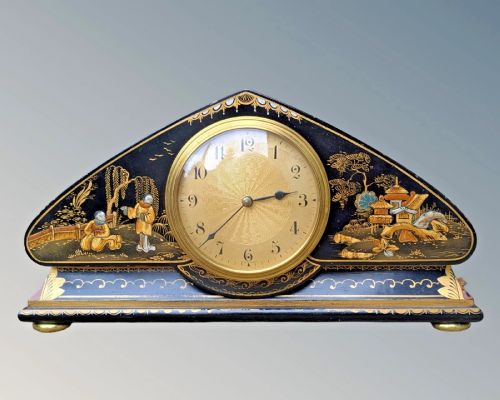
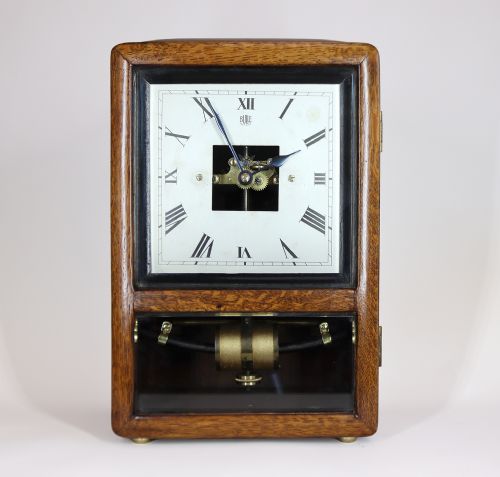
The dominant aesthetic draws heavily on the Art Deco movement, featuring clean geometric lines alongside occasional Chinoiserie decorative motifs. Many examples integrate specialised mechanisms such as early electrical movements or mystery clock designs. Origins stretch from British workshops to French studios and Swiss watchmakers.
Materials and Construction
Makers utilised a diverse palette of materials, pairing precious metals like platinum, white gold, and silver with sturdy hardwoods such as oak, macassar ebony, and rosewood. Enamel work, particularly blue guilloche, added rich colour to miniature timepieces and pocket watch cases. Bronze ormolu and marble provided substantial weight and decorative presence for larger mantel designs.
Specialised techniques defined the visual appeal of these objects, from engine-turned patterning on gold watch backs to moulded opalescent glass for figural clock faces. Metal elements were cast, chased, and hallmarked, while delicate jewellery-grade components transformed wristwatches into wearable ornaments set with diamonds.
Listings feature periods spanning from 1900 to 1930, with materials including opalescent glass, oak, silver, and platinum.
Evaluating Quality and Execution
Superior execution is evident in the sharpness of the casting, the precision of engine-turned engraving on metal cases, and the fidelity of moulded details in glass panels. Pieces bearing named signatures or distinctive regional styles, such as Amsterdam School woodwork or French bronze work, demonstrate higher artistic ambition.
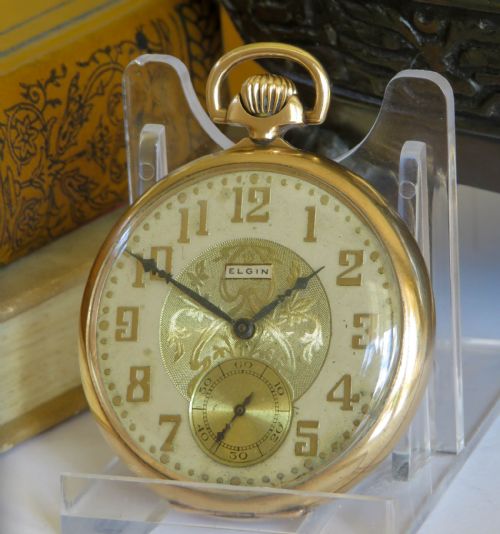
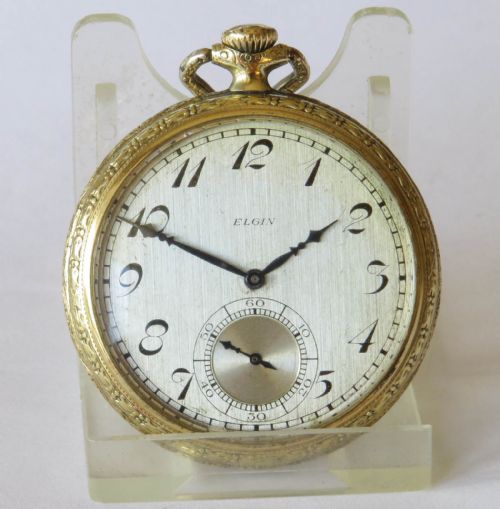
R Lalique·Elgin·Horos·Globe Watch Co·Bucherer·Monte Ancre·Record
The 1920s Art Deco Timepiece Glossary
- Guilloche
- An ornamental mechanical engraving technique producing intricate geometric patterns beneath translucent enamel. It is frequently found on the reverse of pocket watch cases and miniature timepieces.
- Opalescent Glass
- Glass containing milk-white or milky-blue diffusing particles that catch the light and create shimmering colour variations. This material forms the sculptural bodies of several notable figural desk clocks.
- Ormolu
- Gilded bronze produced by applying a mercury-gilt mixture to cast bronze objects. It provides a rich, enduring metallic lustre on decorative clock cases.
- Cocktail Watch
- A small ladies' wristwatch designed primarily for evening wear, treated as jewellery through the use of precious stones and intricate metal mesh bracelets.
- Mystery Clock
- A timepiece where the movement appears unconnected to the hands, creating an illusion of suspended animation. These unusual mechanisms demand advanced horological engineering.
1920s Art Deco Timepiece: Frequently Asked Questions
What defines an art deco clock?
An art deco clock relies on symmetrical geometric shapes, stylised natural motifs, and strong vertical or horizontal lines that reflect the design ethos of the 1920s. These pieces often incorporate contrasting materials like dark wood and polished metal.
They serve as both functional instruments and sculptural decorative objects for mantelpieces and desks.
How do pocket watches differ from cocktail watches?
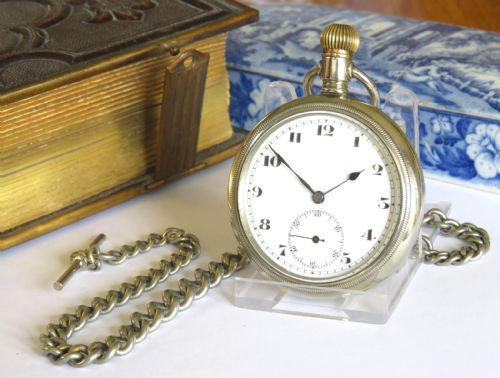
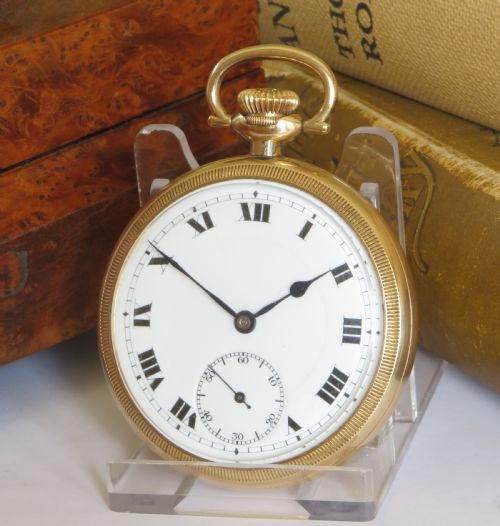
Pocket watches are larger, pocket-worn timepieces featuring open-faced metal cases and mechanical movements intended for daily utility. They often display engine-turned engraving or plain gold and silver plating.
Cocktail watches are miniature ladies' wristwear pieces encrusted with diamonds and set into platinum or white gold mesh bracelets, functioning essentially as fine jewellery.
What is a bulle clock?
A bulle clock is an early electrical time-keeping device driven by an electromagnetic pendulum mechanism. Developed in the early twentieth century, it marked a significant shift towards automated power in domestic horology.
These clocks combine traditional wooden or marble cabinetry with pioneering electrical engineering.
How do I care for a glass clock?
Glass clocks require stable placement away from vibrations and direct sunlight to protect delicate opalescent surfaces and painted dials. Cleaning should be restricted to gentle dusting with a soft cloth.
Special care must be taken when moving pieces mounted in heavy glass frames to avoid stress on the fitted bezels.