




Swiss Mechanical Desk Clock
A swiss mechanical desk clock brings reliable precision and striking industrial design to any interior, combining dependable engineering with distinctive period style.
Swiss Mechanical Desk Clock
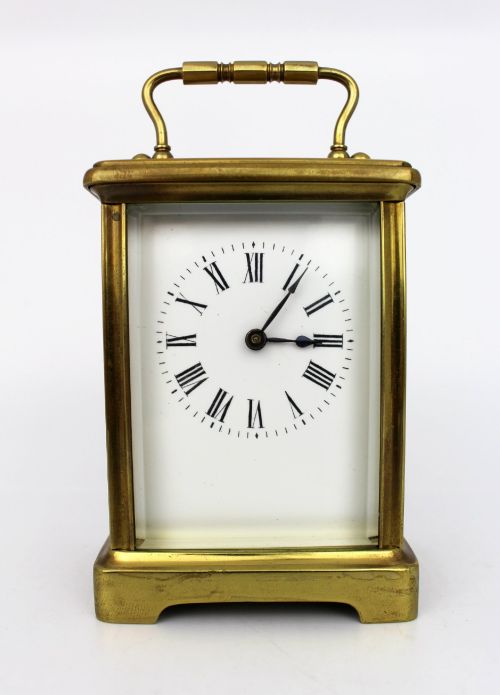
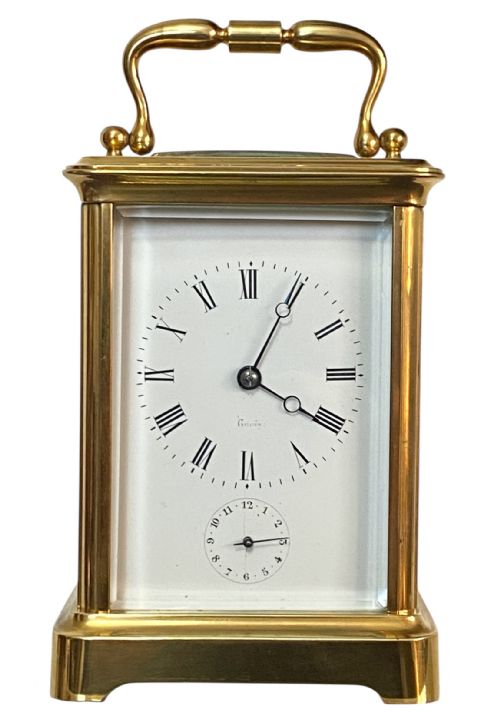
A swiss mechanical desk clock represents timepieces produced across the nineteenth and twentieth centuries, spanning Edwardian, Art Deco, and Mid-Century Modern designs. Buyers seeking a swiss mechanical desk clock encounter various functional forms including carriage clocks, travel clocks with cases, mantel pieces, and specialised atmospheric models.
Examples on this page draw from established periods including the nineteen-hundreds, nineteen-tens, nineteen-thirties, nineteen-fifties, and nineteen-sixties. Each piece reflects the horological focus and aesthetic preferences of its decade of manufacture.
What varies in quality
Excellence in a swiss mechanical desk clock rests on the precision of the movement and the integrity of the materials used in its housing. Refined finishes on gilt brass, rhodium plating, and crisp enamel dials distinguish finer examples from standard production pieces.
The presence of original protective leather cases, boxes, and documentation enhances the completeness and historical integrity of the item. Mechanical complexity, such as eight-day movements, alarm functions, and perpetual atmospheric mechanisms, further separates standard timepieces from advanced horological creations.
Certain models resemble miniature lamp posts, bringing outdoor municipal lighting charm directly to the office desk.
Harrods of London·Jaeger LeCoultre·Mappin and Webb
The Swiss Mechanical Desk Clock Glossary
- Carriage clock
- A portable spring-driven timepiece originally designed for travelling during the nineteenth and early twentieth centuries. These typically feature brass frames with glass sides and a top-mounted carrying handle.
- Atmos clock
- A mechanical timepiece invented in Switzerland that runs using changes in atmospheric temperature and pressure. This system winds itself without human intervention.
- Skeleton timepiece
- A clock designed with transparent or open plates that expose the inner gear train and escapement to view. This layout highlights the mechanical action of the movement.
- Gilt brass
- Brass coated with a thin layer of gold or gold-coloured wash to improve appearance and resist tarnishing. This finish appears frequently on mid-century desk pieces.
- Rhodium plating
- A metallic coating applied over base metals to provide a bright, reflective, and durable silver-coloured finish. It protects underlying surfaces from corrosion and wear.
Swiss Mechanical Desk Clock: Frequently Asked Questions
How do atmos clocks wind themselves?
Atmos clocks utilise a hermetically sealed chamber containing a mixture of gas and liquid that expands and contracts with temperature fluctuations. This mechanical expansion winds the mainspring automatically.
Because of this perpetual motion system, the clock requires no manual winding or batteries to maintain continuous operation.
Where should I place a desk clock?
Place your desk clock on a stable, level surface away from direct sunlight, heavy vibrations, and extreme drafts. Desks, mantelpieces, and dedicated display tables provide ideal settings.
Ensuring a stable foundation helps maintain the precise balance required for accurate mechanical timekeeping.
How do I identify a travel clock?
Travel clocks generally feature protective outer cases made of leather or metal housings with integrated folding stands or handles. They are built compactly for portability.
Many examples include winding mechanisms designed to be secured securely during movement.
What does an eight day movement mean?
An eight day movement indicates that the clock requires winding only once every eight days rather than daily. This provides greater convenience for everyday use.
Such movements utilise larger mainspring barrels or geared power reserves to sustain accurate operation over the extended period.