


1920s Afghan Carpet
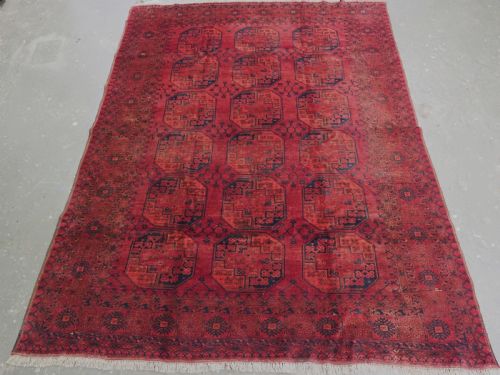
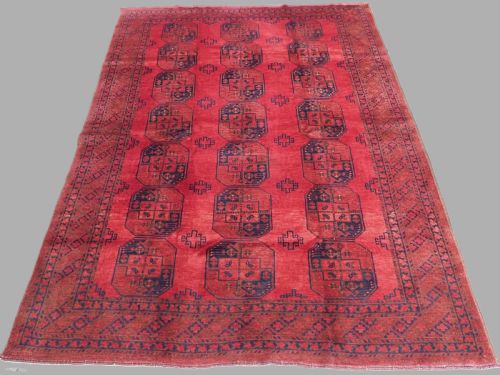
A 1920s afghan carpet brings rich tribal character and deep red wool into a room.
1920s Afghan Carpet
A 1920s afghan carpet encompasses tribal rugs, long runner rugs, and mosque prayer rugs woven across the region during the early twentieth century. Buyers encounter various village and tribal traditions including Ersari, Kizil Ayak, Baluch, and Pashtun styles.
The format ranges from compact prayer rugs featuring single or multiple mihrabs to room-sized carpets displaying classic geometric guls and traditional border patterns. Many pieces originate from village workshops and nomadic communities utilising time-honoured local methods.
Kilims woven in parts and hard-wearing utility carpets form part of the selection, often rendered in warm red colourways with deep rich tones. These floor coverings bridge practical domestic durability with distinct regional artistic heritage.
What varies in quality
The integrity of the wool pile and the depth of the natural dyes distinguish finer examples from standard village output. Soft, glossy wool combined with a heavy-duty weave indicates superior material selection by the original maker.
Design clarity and the complexity of border layouts also set individual pieces apart. Unusual configurations, such as intricate triple mihrabs or distinct double lantern motifs, elevate the visual interest of the textile.
1920s Afghan Carpet Retail Price Guide 2026
Typical asking prices for 1920s afghan carpet among the pieces listed under this phrase on Sellingantiques today, from the lower quarter to the upper quarter. They describe what is for sale here now, not the wider market.
Listings feature 1920s pieces incorporating natural dyes, hand-spun wool, cotton, and various tribal designs including Ersari, Turkmen, and Baluch.
The 1920s Afghan Carpet Glossary
- Mihrab
- The niche in a prayer rug design indicating the direction of prayer. It often appears as a pointed arch or a repeated set of arches.
- Gul
- An octagonal medallion motif repeated across Turkmen and Afghan tribal carpets. This geometric emblem identifies specific tribal lineages.
- Kilim
- A flatweave textile produced without a pile. These pieces often feature sharp chevron patterns and structural slit-weave construction.
- Seh Mihrab
- A triple arch prayer design layout. This specific arrangement displays three distinct prayer niches across the field of the rug.
- Patina
- The surface sheen and softening of colour developed over decades of age and use. It gives antique wool a desirable, mellow appearance.
1920s Afghan Carpet: Frequently Asked Questions
Where were these rugs made?
These textiles were produced by various tribal and village communities across Afghanistan during the 1920s. Makers included Ersari, Kizil Ayak, Baluch, and Pashtun weavers working in local traditions.
Production took place in distinct settlements and nomadic camps, resulting in regional variations in design, colour palette, and weaving structure.
What is a prayer rug?
A prayer rug is a smaller format textile featuring a niche known as a mihrab at one end. Historically, worshippers used these portable rugs to kneel upon during daily prayers.
Design elements often include lamps, stars, or multiple arches that guided the user and added symbolic meaning to the piece.
How do I care for antique wool?
Vacuum these carpets gently without using a rotating brush roll to protect the hand-spun wool pile and delicate kilim ends. Professional cleaning by specialists in antique textiles ensures the natural dyes remain stable.
Keep the rugs out of direct sunlight to prevent fading of the deep red tones and natural colourants over time.
How are different tribal styles identified?
Tribal attribution relies on specific motifs, border arrangements, and structural characteristics unique to each group. For instance, Ersari designs feature distinct guls, while Baluch and Kizil Ayak pieces utilise different mihrab forms and colour combinations.
Examining the weave density and the handling of the wool further clarifies the origin of each carpet.