


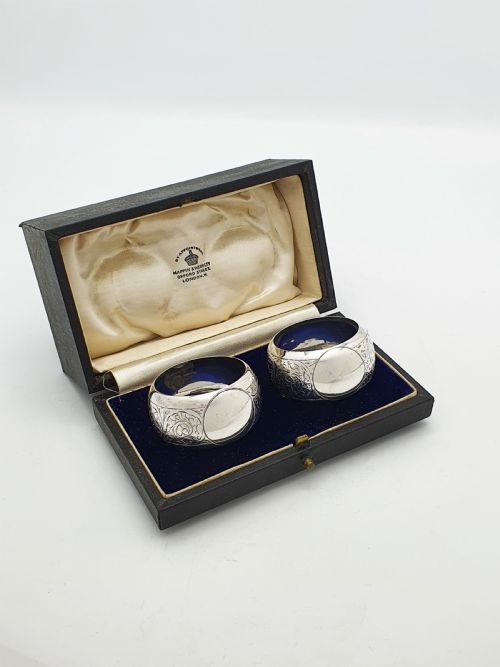


1911 Hallmarked Silver
These 1911 hallmarked silver items offer tangible links to the Edwardian and George V eras through solid sterling metal.
1911 Hallmarked Silver
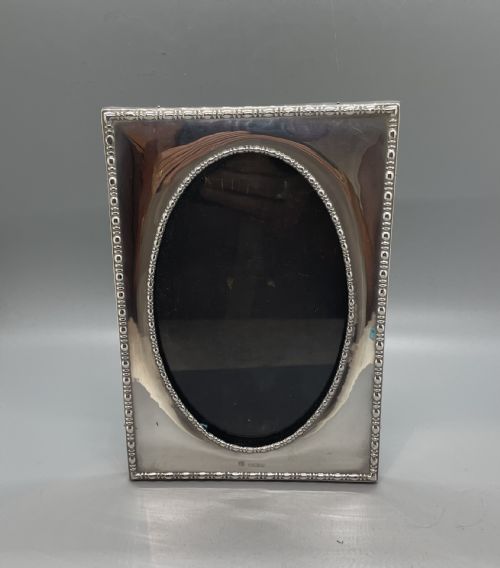
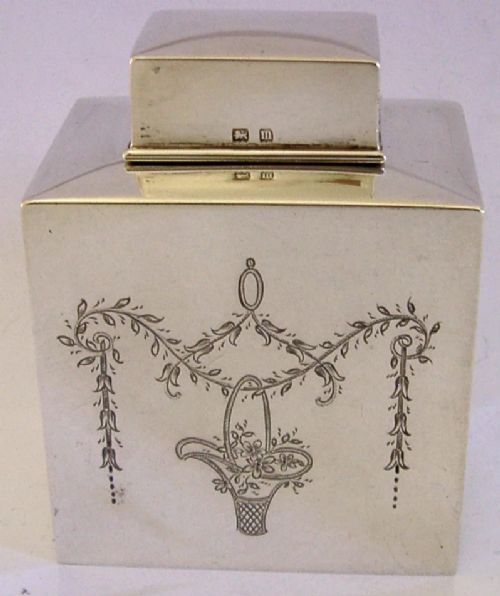
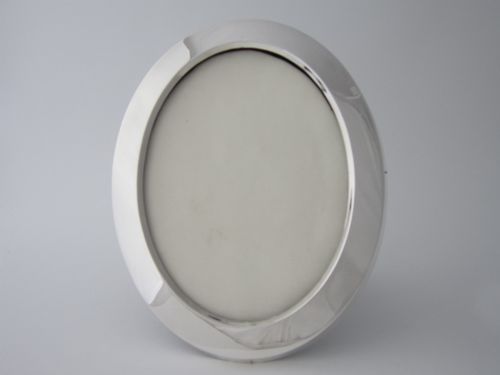
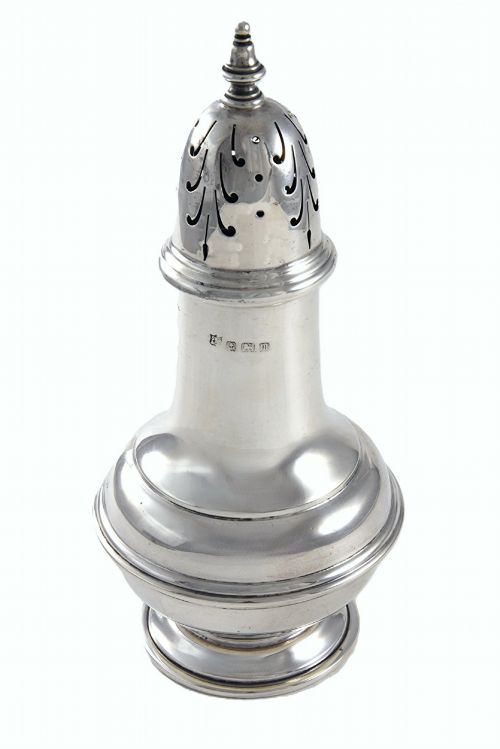
The objects span practical desk accessories and dining table wares, including photograph frames, tea caddies, sugar casters, and caddy spoons. Smaller pocket items such as sovereign cases and napkin rings also appear frequently.
These pieces originate from major assay offices in cities such as Sheffield, Birmingham, Chester, and London. Each piece bears the distinct date letter and hallmarks confirming its exact year of manufacture.
Materials and construction
The primary material across all pieces is sterling silver, frequently paired with secondary elements like glass inserts, velvet linings, silk backing, and ebony handles. Metalsmiths utilised traditional techniques of hammering, casting, and piercing to shape the silver.
Assay office punch marks were struck directly into the metal to certify the sterling standard alongside the specific date letter for 1911. Joinery and hinges on boxes, cases, and novelty items demonstrate precise mechanical fitting.
Silversmiths of this era turned mundane tea leaf measurement into an art form by fashioning spoons shaped like tiny human hands.
Distinguishing quality in silver
Quality in these silver pieces rests on the crispness of the original chasing, piercing, and engraving. Crisp, deep hallmark stamps and intact maker's marks separate standard production items from finer workshop output.
The preservation of structural integrity, such as smooth hinge movement on sovereign cases and unblemished glass or fabric inserts, defines the better examples. Weight and gauge of the sterling silver sheet also indicate the maker's initial investment in materials.
Aaron Lufkin Dennison·Zimmermann·William Neale·Turner and Simpson
The 1911 Hallmarked Silver Glossary
- Hallmark
- Official marks stamped on precious metals to indicate the purity, the assay office, and the year of manufacture. For pieces from this year, the date letter corresponds specifically to 1911.
- Sterling silver
- An alloy comprising 92.5 percent silver and 7.5 percent other metals, usually copper, chosen for durability in tableware and accessories. This standard is universally denoted by the lion passant mark in British assay offices.
- Assay office
- An official body charged with testing the purity of precious metal items before striking hallmarks onto the surface. London, Birmingham, Sheffield, and Chester are common offices represented on pieces from this era.
- George V
- The reigning British monarch during the year of production for the majority of these pieces. Stylistically, items from this period often bridge late Edwardian ornamentation and simpler neoclassical revivals.
- Caddy spoon
- A specialised small spoon designed for measuring loose tea leaves from a caddy. Novelty variants shaped like jockey caps or hands are particularly sought after by collectors.
1911 Hallmarked Silver: Frequently Asked Questions
How do I verify a 1911 hallmark?
Check the set of punches stamped into the metal, which typically includes a standard mark like the lion passant for sterling, an assay office symbol, and a specific date letter corresponding to 1911.
Reference official assay office records to match the specific letter shape and shield outline to the correct year of testing.
What were sovereign cases used for?
These small, hinged containers were carried in pockets to hold gold sovereign and half-sovereign coins safely during everyday transactions.
Their internal spring clips kept the coins secure until needed for purchases or travel.
How should I clean antique silver?
Use a soft microfiber cloth and a mild, non-abrasive silver polish formulated to lift tarnish without removing the underlying metal details or engraving.
Avoid harsh chemical dips that can strip the natural patina accumulated over a century of existence.
Are novelty silver pieces functional?
Many items designed in whimsical shapes, such as jockeys' caps or mechanical desk bells, served practical purposes while also acting as conversation pieces.
Their moving parts and hinged mechanisms were engineered for daily use on desks or dining tables.