




1910s Silver Box
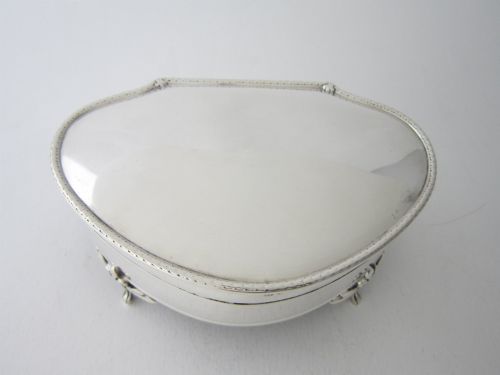
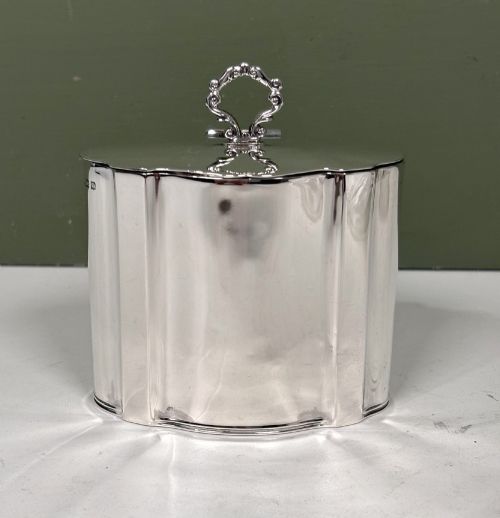
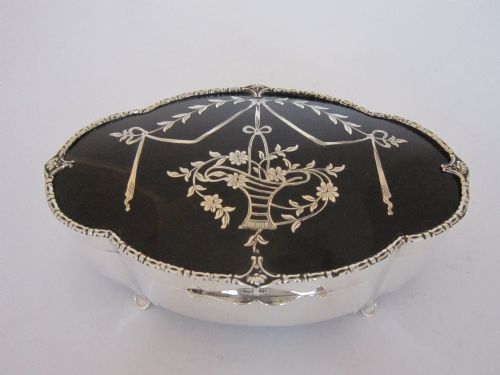
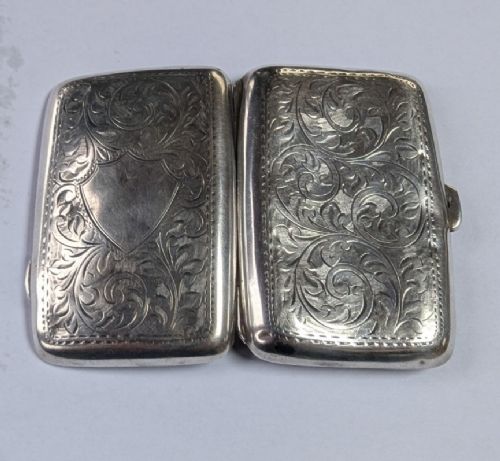
A 1910s silver box is a practical and decorative antique made in solid silver, often paired with tortoiseshell or enamel, bringing Edwardian and George V craftsmanship to everyday use.
1910s Silver Box
The pieces listed here originate from the early decades of the twentieth century, specifically spanning the years 1910 to 1920. Most examples reflect the distinct hallmarks and stylistic preferences of this bustling manufacturing era.
Materials and construction methods
Makers utilised solid sterling silver as the primary structural material, frequently enhancing the design with contrasting organic elements like tortoiseshell or rich vitreous enamel. Silk and velvet frequently line the interior of these vessels to protect delicate contents.
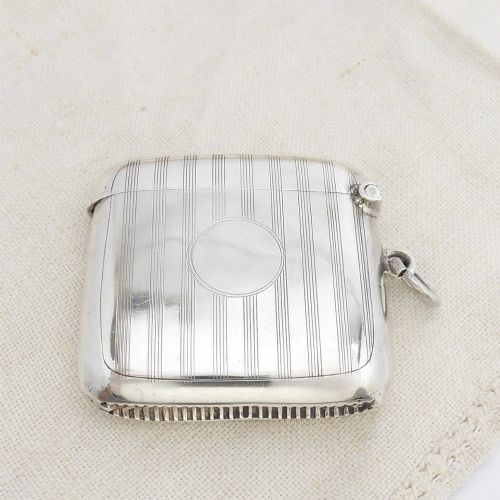
Silversmiths employed techniques such as guilloche engraving to create intricate geometric patterns beneath translucent enamel. Functional pieces like vesta cases and napkin rings were shaped and hallmarked to meet strict British standards.
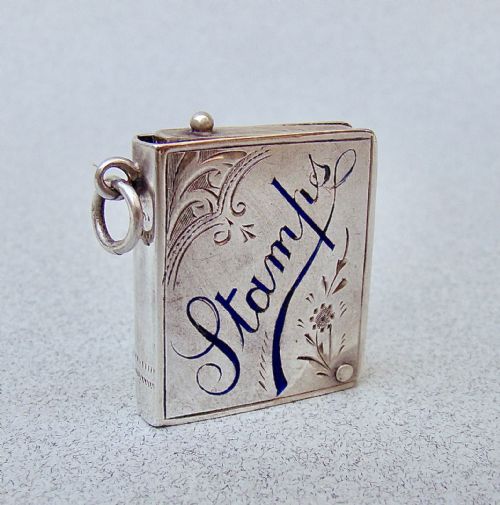
A tiny hinged book can hold stamps rather than stories, proving that early twentieth-century pocket stationery had a distinctly playful side.
Distinguishing quality in early twentieth-century silver
The distinction between standard items and superior examples lies in the complexity of the materials and the precision of the maker. Pieces featuring flawless vitreous enamel or expertly fitted tortoiseshell command greater appreciation.
The presence of crisp hallmarks and recognised workshop stamps elevates an object beyond a simple utilitarian container. Superior construction ensures that hinges, lids, and closures retain their original alignment and smooth operation.
Zimmermann·Walker & Hall·Crisford & Norris·C.T. Burrows & Sons
The 1910s Silver Box Glossary
- Sterling silver
- A standard alloy consisting of silver and other metals, usually copper, to increase durability while maintaining a high purity level. British items typically bear a lion passant hallmark to confirm this standard.
- Guilloche enamel
- A decorative technique involving precise mechanical engraving beneath a translucent layer of vitreous enamel. This method creates a repeating, shimmering pattern visible across compacts and cigarette cases.
- Tortoiseshell
- The outer shell of certain turtle species utilised by makers to form contrasting panels on lids and bodies. It is prized for its warm amber and brown mottled tones.
- Vesta case
- A small pocket container designed to hold matches and keep them dry, usually fitted with a striking strip on the base. These items were widely carried during the early twentieth century.
- Hallmark
- An official stamp applied by an assay office to indicate the metal standard, the year of manufacture, and the maker. Birmingham and Chester are prominent assay locations found on these objects.
1910s Silver Box: Frequently Asked Questions
What are 1910s silver boxes made of?
These boxes are primarily constructed from solid sterling silver, with many examples incorporating contrasting materials such as tortoiseshell or vitreous enamel.
Interiors are frequently lined with silk or velvet to cradle small personal items securely.
How do I identify a George V box?
George V boxes date from his reign beginning in 1910 and display specific monarchical or date letter hallmarks from assay offices.
Stylistic cues also reflect the tastes of the 1910s and 1920s, distinguishing them from later modernist designs.
What were tea caddies used for?
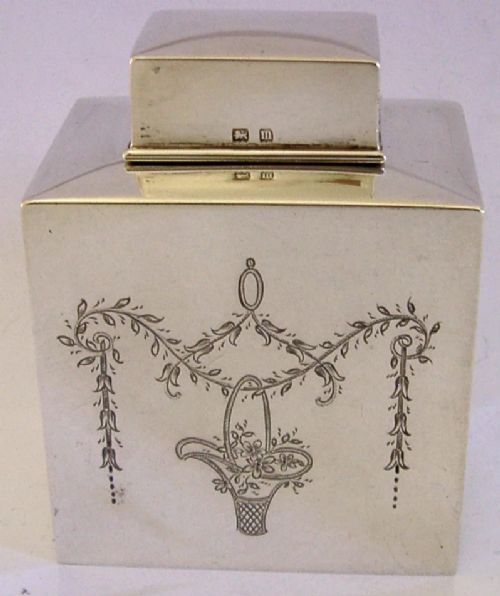
Tea caddies served to store precious loose tea leaves securely in domestic settings during the Edwardian period.
Their solid silver construction helped preserve the aroma and quality of the tea.
How should I clean a silver box?
Use a soft cloth specifically designed for silver to gently remove tarnish without damaging delicate enamel or tortoiseshell panels.
Avoid immersing pieces with fabric linings or organic inlays in liquid cleaning solutions.