





Vintage Silver Jewellery Dish
These vintage silver jewellery dish pieces range from Edwardian trinket boxes to cut glass dishes, offering practical and decorative storage for personal treasures.
Vintage Silver Jewellery Dish
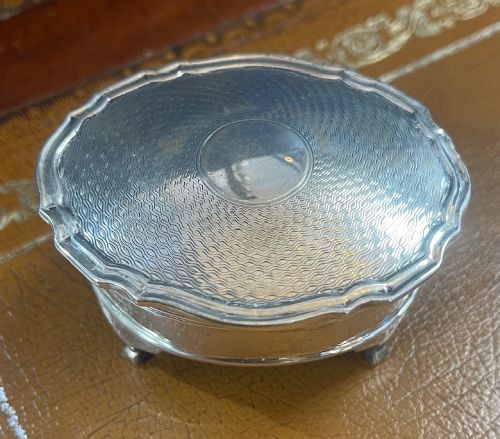
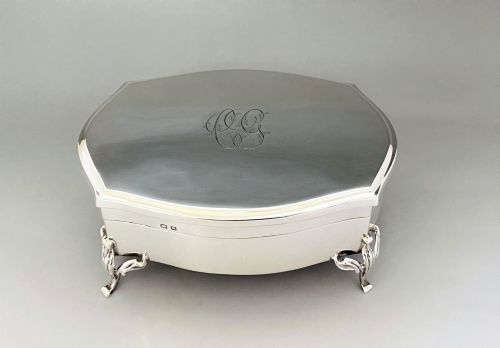
A vintage silver jewellery dish or associated small box serves to hold rings, pins, and small trinkets on a dressing table. When exploring this selection, buyers frequently encounter Edwardian and Victorian pieces alongside later twentieth-century examples.
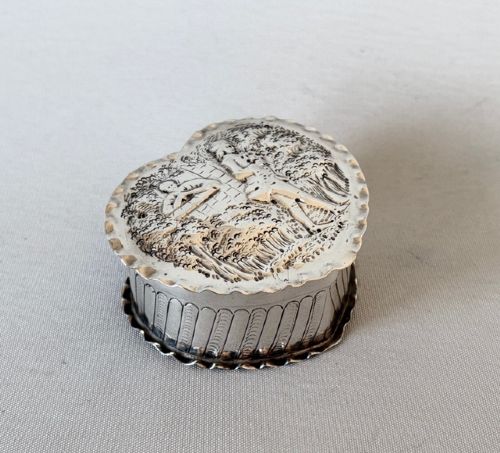
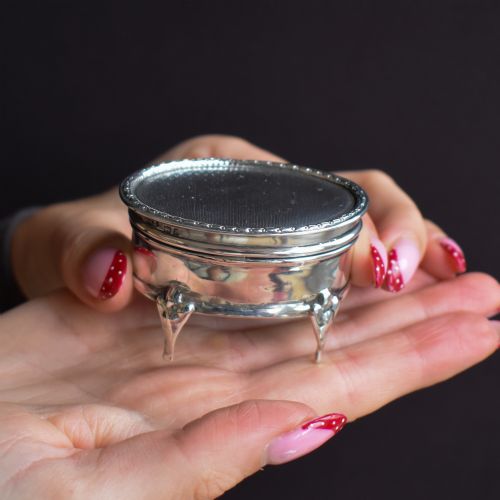
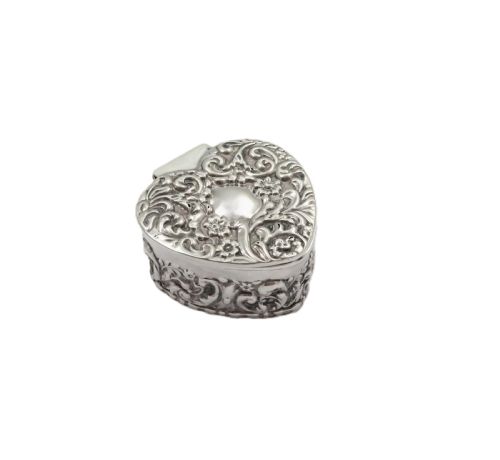
The forms vary from simple lidded cut glass dishes to hinged caskets, heart-shaped boxes, and ring trees. Many incorporate fitted interiors lined with velvet or silk to protect delicate items.
Origins span British assay offices such as Birmingham, London, and Chester, alongside continental European workshops and nineteenth-century Indian silver plated work.
Materials and construction
The primary structural materials combine sterling silver, silver plate, and heavy cut glass, often paired with organic elements like tortoiseshell, Connemara marble, white onyx, and lapis lazuli.
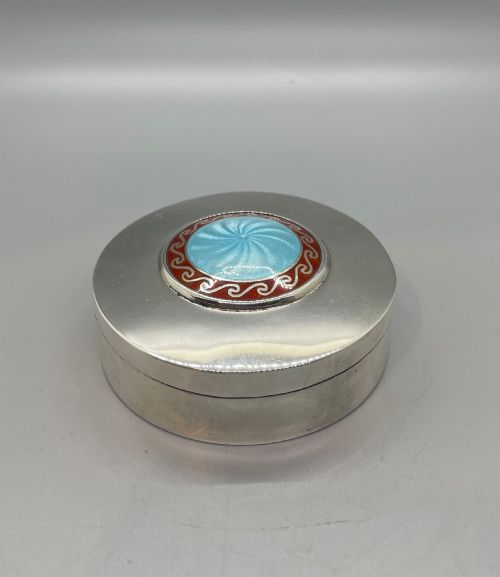
Surface decoration relies on traditional techniques including vitreous enamel, guilloche enamel, and hand-chased patterns. Hinged lids and mounts are securely fixed to glass bodies or fabric-lined wooden cores.
Vintage Silver Jewellery Dish Retail Price Guide 2026
Typical asking prices for vintage silver jewellery dish among the pieces listed under this phrase on Sellingantiques today, from the lower quarter to the upper quarter. They describe what is for sale here now, not the wider market.
Listings feature sterling silver, silver plate, cut glass, tortoiseshell, Connemara marble, and vitreous enamel across Edwardian, Victorian, and Art Deco periods.
Assessing quality and craftsmanship
Quality rests upon the weight of the silver mounts, the crispness of the hallmarks, and the precision of any fitted internal lining. Finer pieces demonstrate careful hand-finishing on chased details and unblemished enamel work.
The integration of secondary materials like tortoiseshell, marble, or cut glass defines the distinction between standard utilitarian items and more ambitious decorative containers.
Posen of Frankfurt and Berlin·William Neale and Sons·Henry Williamson Ltd
The Vintage Silver Jewellery Dish Glossary
- Hallmark
- An official stamp struck into precious metals indicating purity, origin, and assay office. British items typically show a maker's mark, standard mark, and date letter.
- Guilloche
- A decorative mechanical technique whereby an intricate repeating pattern is engraved beneath transparent enamel. This finish appears frequently on Edwardian vanity items.
- Ring tree
- A vertical stem mounted on a base designed to hold multiple rings. These pieces are often found in Edwardian silver assortments.
- Trinket box
- A small container with a lid used for storing rings, brooches, and small valuables. They are frequently lined with velvet or silk.
Vintage Silver Jewellery Dish: Frequently Asked Questions
What is a silver ring tree?
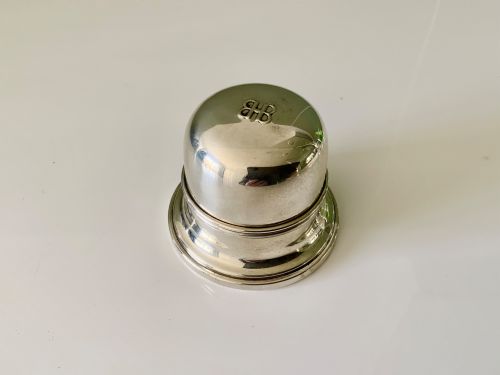
A ring tree is a small desk or dressing table accessory featuring a central upright stem mounted on a base. It allows rings to be slipped off and stored securely when not being worn.
Many examples combine a silver base and stem with supportive glass or ceramic elements, appearing frequently in Edwardian dressing table sets.
How do I date a silver trinket box?
Dating relies primarily on the stamped hallmarks found on the silver mounts. These official marks usually include a letter code that corresponds to a specific assay year.
Stylistic indicators such as Art Deco geometric lines or Edwardian floral motifs also help narrow down the period of manufacture.
What are cut glass trinket dishes?
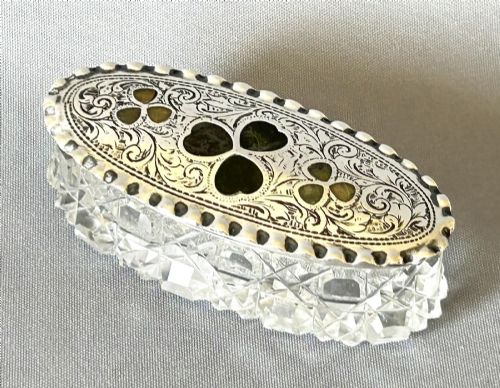
These pieces combine heavy moulded or cut glass bases with solid silver lids or rims. The faceted glass reflects light while offering a durable container for everyday use.
They were widely produced during the Victorian and Edwardian periods for dressing tables and vanity sets.
How should I clean silver boxes with enamel?
Enamel and organic materials like tortoiseshell require careful handling compared to solid metal. Avoid harsh chemical dips and abrasive polishes that can scratch or dissolve delicate surfaces.
Instead, use a soft, dry microfibre cloth to gently remove dust from the silver mounts and decorated panels.