





1900s Persian Wool Rug
A 1900s persian wool rug brings authentic hand-knotted heritage and rich natural dyes into a room, offering durability and enduring design.
1900s Persian Wool Rug
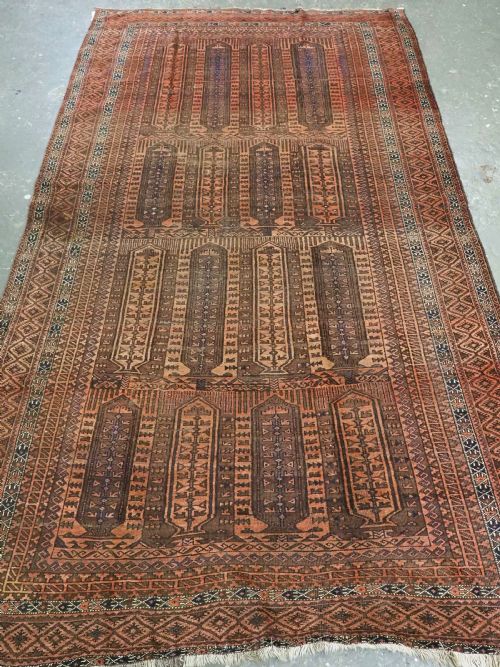
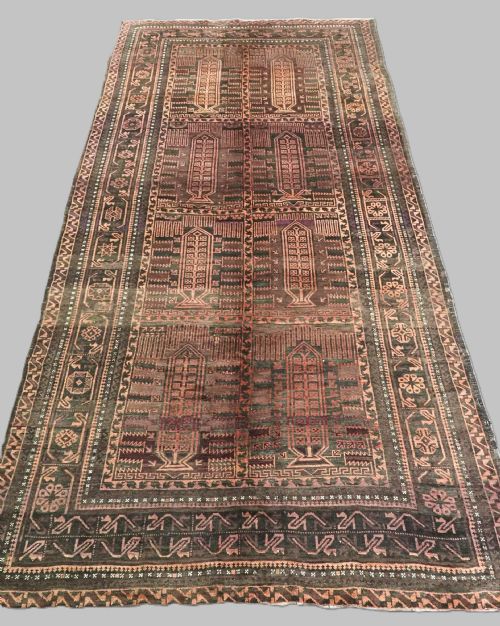
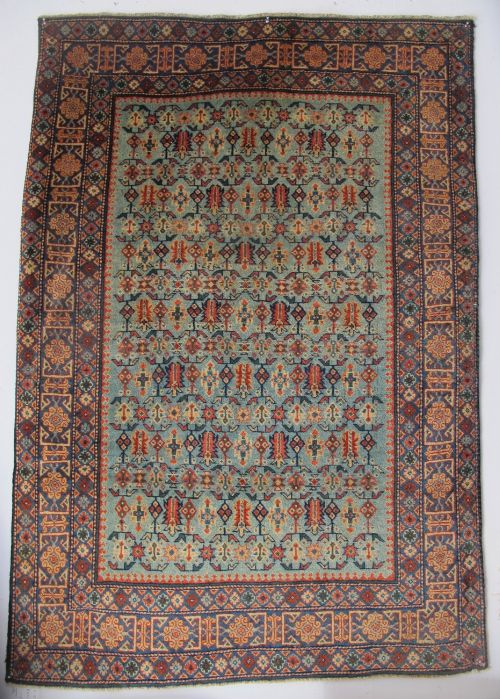
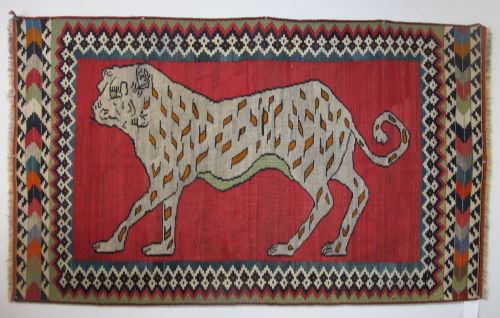
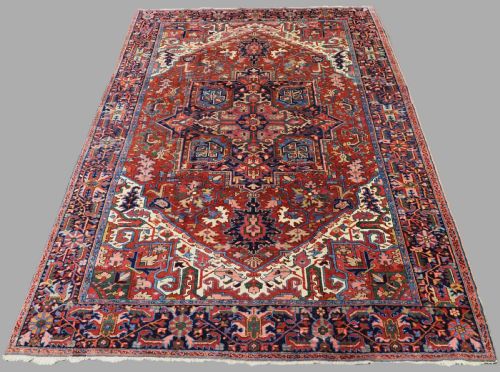
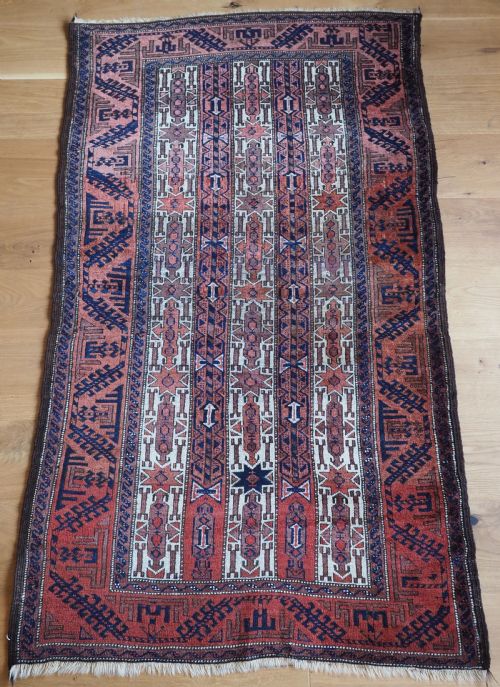
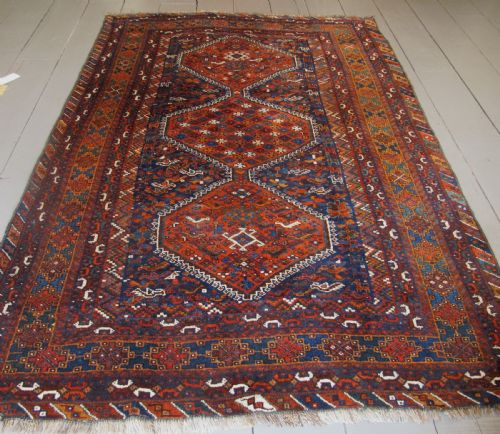
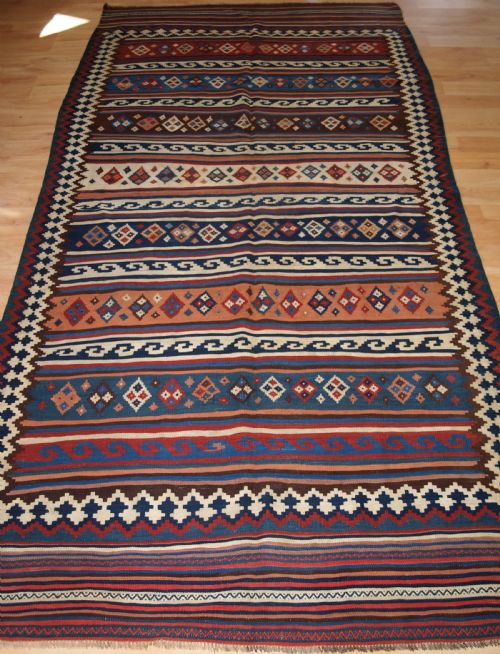
When searching for a 1900s persian wool rug, buyers encounter hand-knotted floor coverings originating from various weaving traditions across Persia and neighbouring regions produced around the turn of the twentieth century. These pieces encompass regional city workshops like Tabriz and Isfahan alongside distinct tribal groups such as the Qashqai, Baluch, Heriz, and Kurdish communities. The selection ranges from small mats and saddle bag faces to large carpets and long hallway runners.
The aesthetic expression varies widely between fine city rugs featuring intricate floral medallions and geometric tribal pieces decorated with repeating motifs like boteh or guls. Buyers frequently meet formats created for domestic use or nomadic travel, showing diverse colour palettes from deep aubergine grounds to soft pastel tones. Each item reflects the specific cultural heritage and weaving techniques of the district where it was made.
Materials and construction methods
Weavers constructed these rugs predominantly using hand-spun wool for the pile, often paired with cotton foundations for warp and weft threads, though variations include goat hair and camel hair. Natural dyes derived from plants and minerals provided the palette, yielding rich hues that mellow gracefully over decades of light exposure.
The knotting technique determined the density and handle of the textile, with urban workshops employing fine symmetrical or asymmetrical knots on vertical looms. Tribal weavers utilised similar wool materials on portable horizontal ground looms, creating sturdy structures intended to withstand heavy daily use.
1900s Persian Wool Rug Retail Price Guide 2026
Typical asking prices for 1900s persian wool rug among the pieces listed under this phrase on Sellingantiques today, from the lower quarter to the upper quarter. They describe what is for sale here now, not the wider market.
Several Baluch pieces incorporate camel hair directly into the pile, adding a naturally resilient golden-brown tone.
Distinctions in standard and execution
The standard of a piece rests upon the density of the knotting, the quality of the wool fleece utilised, and the clarity of the design execution. Tighter knots allow for sharper geometric or floral detailing, reflecting the skill of the individual weaver or workshop.
Materials also dictate the grade, with hand-spun wool and superior natural dye variations achieving greater depth of colour and resilience. The integrity of the foundational structure and the preservation of original edges and ends further distinguish exceptional examples from standard specimens.
The 1900s Persian Wool Rug Glossary
- Boteh
- A stylised almond or pear-shaped motif representing a floral or flame symbol, frequently repeated across the field of Persian and tribal rugs.
- Gul
- An octagonal or medallion-like design motif characteristic of Turkmen and Baluch weaving traditions, often arranged in formal rows.
- Kilim
- A flat-woven textile produced without a raised pile, created by tightly interweaving warp and weft strands to form geometric patterns.
- Warp
- The stationary vertical threads stretched onto a loom that form the structural foundation upon which the knots of the rug are tied.
- Weft
- The horizontal threads passed alternately over and under the warp threads after each row of knots to bind the structure together.
1900s Persian Wool Rug: Frequently Asked Questions
How do I clean an antique wool rug?
Maintenance requires gentle vacuuming without a rotating beater bar to protect the delicate hand-spun wool pile and older structural foundations.
Professional specialist cleaning is recommended for heavier washing to preserve the natural dyes and prevent fibre degradation.
Can I place these rugs in high traffic areas?
Many sturdy tribal carpets and runners tolerate everyday movement well due to resilient wool and dense knotting.
Placing a quality underlay beneath the textile prevents slipping and reduces friction against hard flooring surfaces.
What is the difference between city and tribal rugs?
City pieces from centres like Isfahan or Tabriz showcase refined floral compositions woven on fixed vertical looms with high knot counts.
Tribal examples from groups such as the Qashqai or Baluch display geometric memory-patterns created on portable looms.
How do natural dyes age over time?
Natural plant and mineral dyes undergo a gentle softening process known as patina, harmonising the colour palette over decades of exposure.
This mellowing enhances the visual depth of the wool without diminishing the original vibrancy of the design.