



1900s Carpet
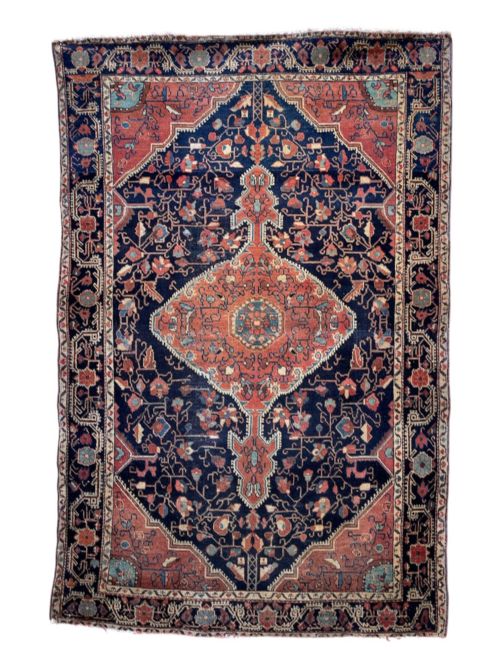
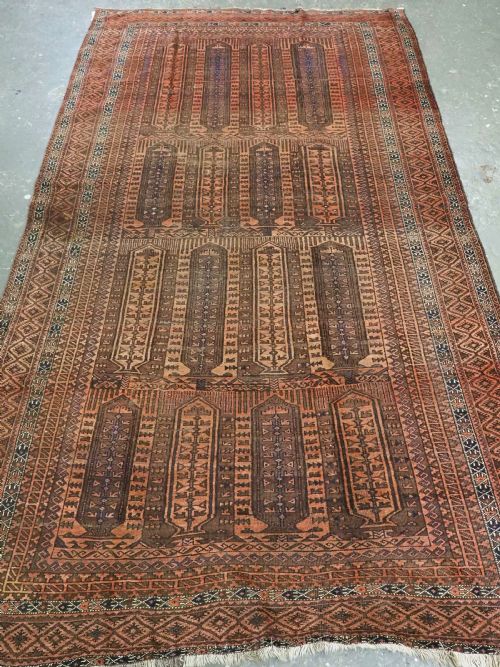
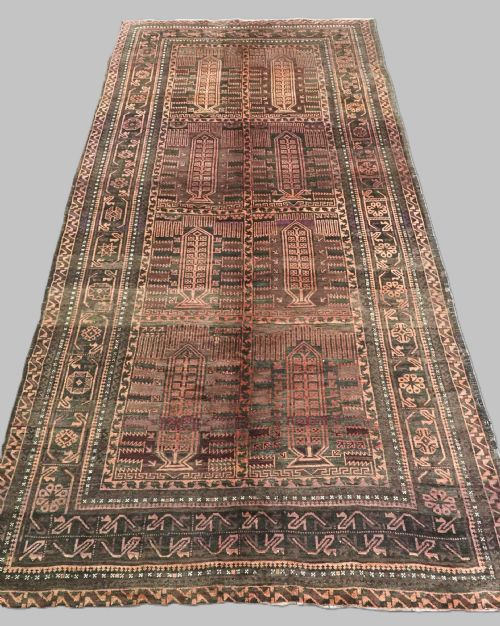
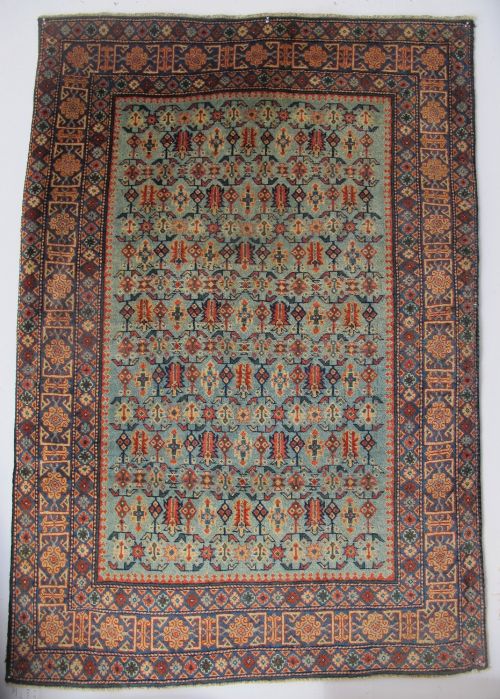
When you search for a 1900s antique carpet, you encounter hand-knotted tribal and city weaves from Persia, the Caucasus, and Central Asia created at the turn of the century.
1900s Carpet
The 1900s antique carpet category encompasses diverse regional traditions, from Persian town pieces to nomadic tribal floor coverings. Buyers searching this phrase most frequently encounter Baluch prayer rugs, Turkmen main carpets, and Caucasian runners woven around nineteen hundred.
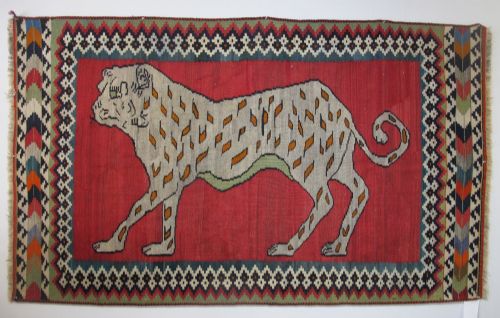
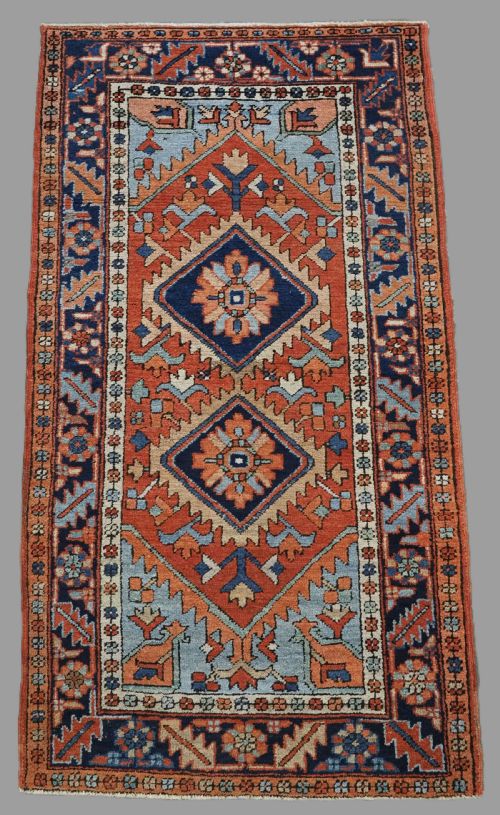
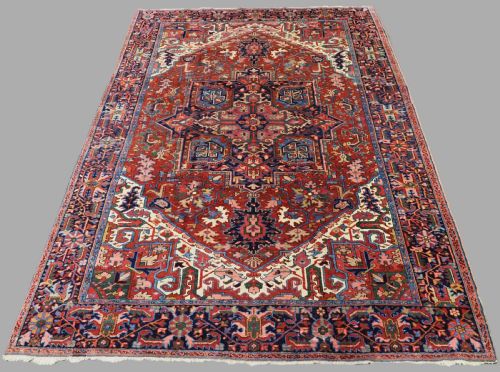
The selection includes specific regional formats such as Heriz carpets, Qashqai kilims, and Isfahan rugs. These textiles served various functions historically, operating as floor coverings, tent decorations, or dedicated prayer mats.
Makers ranged from village weavers working on vertical or horizontal looms to nomadic groups producing portable textiles. Each piece carries distinct structural characteristics tied to its specific origin in Persia, the Caucasus, or Central Asia.
Materials and construction methods
Weavers constructed these carpets primarily using wool piles knotted onto cotton or wool foundations, occasionally incorporating goat hair, camel hair, or silk for specific structural or decorative effects. Natural dyes provided the palette, yielding stable reds, blues, and aubergine grounds.
The hand-knotting technique determined the density and durability of the weave, with finer town rugs employing dense symmetrical or asymmetrical knots. Tribal pieces often utilised coarser, heavier wool structures suited to daily domestic use.
1900s Carpet Retail Price Guide 2026
Typical asking prices for 1900s carpet among the pieces listed under this phrase on Sellingantiques today, from the lower quarter to the upper quarter. They describe what is for sale here now, not the wider market.
Listings feature wool, cotton, silk, goat hair, and camel hair across Persian, Caucasian, and Central Asian tribal traditions.
Factors separating quality grades
Quality in these carpets rests upon the precision of the knotting, the integrity of the foundation, and the vibrancy of the dyestuffs. Finer examples display meticulous execution of geometric or floral motifs, maintaining straight edges and balanced proportions.
Material selection significantly impacts the grade, with lustrous wool and rich natural dye variations creating depth across the field. Pieces retaining strong structural integrity alongside harmonious colour distribution occupy the upper tier of the range.
The 1900s Carpet Glossary
- Mihrab
- A niche design symbolising a doorway or prayer arch, commonly found centred in prayer rugs. This architectural motif directs the orientation of the textile during worship.
- Gul
- An octagonal or medallion-like design motif frequently repeated across Turkmen carpets. Each tribal group utilised distinct variations of these primary pattern blocks.
- Boteh
- A stylised almond or paisley motif representing a floral spray or cypress tree. Artisans arranged these repeated shapes in rows or all-over field patterns.
- Kilim
- A flat-woven textile produced without a pile by tightly interweaving warp and weft threads. These pieces function as lightweight coverings or decorative hangings.
- Runner
- A long, narrow carpet format designed specifically for hallways, corridors, and staircases. Regional weavers produced these in various widths to fit domestic architectural spaces.
1900s Carpet: Frequently Asked Questions
How do I identify a tribal rug?
Tribal rugs typically display geometric motifs, memory-woven patterns, and heavier wool structures reflecting nomadic production. They often lack the rigid symmetry found in urban town carpets.
These pieces use regional colour palettes and specific tribal identifiers like guls or animal figures. Examining the reverse reveals the irregularities inherent in hand-tied village and tribal looms.
Where were these carpets made?
Production centres spanned Persia, the Caucasus, and Central Asia, encompassing varied geography from sedentary towns to nomadic tribal territories. Major weaving regions included Heriz, Isfahan, Shirvan, and Khorasan.
Each area developed distinct structural signatures, wool qualities, and dye recipes. Understanding these geographic origins helps clarify the stylistic differences between Caucasian, Persian, and Turkmen pieces.
How were runners used originally?
Runners served a practical domestic purpose in narrow architectural spaces such as hallways, long corridors, and staircases. Their elongated formats protected high-traffic timber floors from heavy wear.
Nomadic and village households also utilised narrow formats to line tent interiors or define specific walking paths. Their durable wool construction handled continuous foot traffic in country houses.
What is a prayer rug?
A prayer rug is a portable devotional textile featuring a central mihrab arch that indicates the direction of prayer. Users placed these mats on the floor during daily religious observances.
Their compact size allowed worshippers to roll and transport them easily. The distinctive arch design remains a defining characteristic for identifying these specific devotional pieces.