
18th Century Wine Glasses
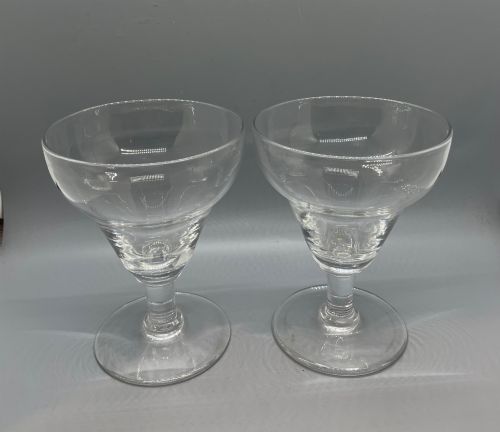
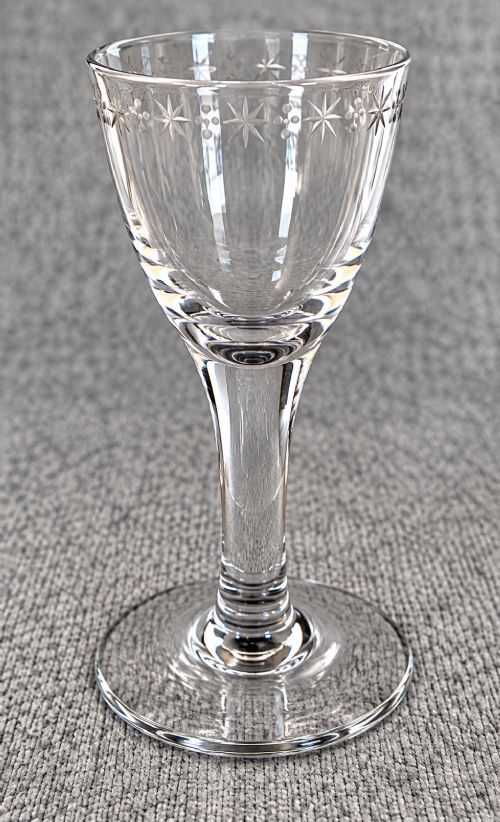
These 18th century wine glasses offer a tangible connection to Georgian dining rituals through exceptional hand-blown forms.
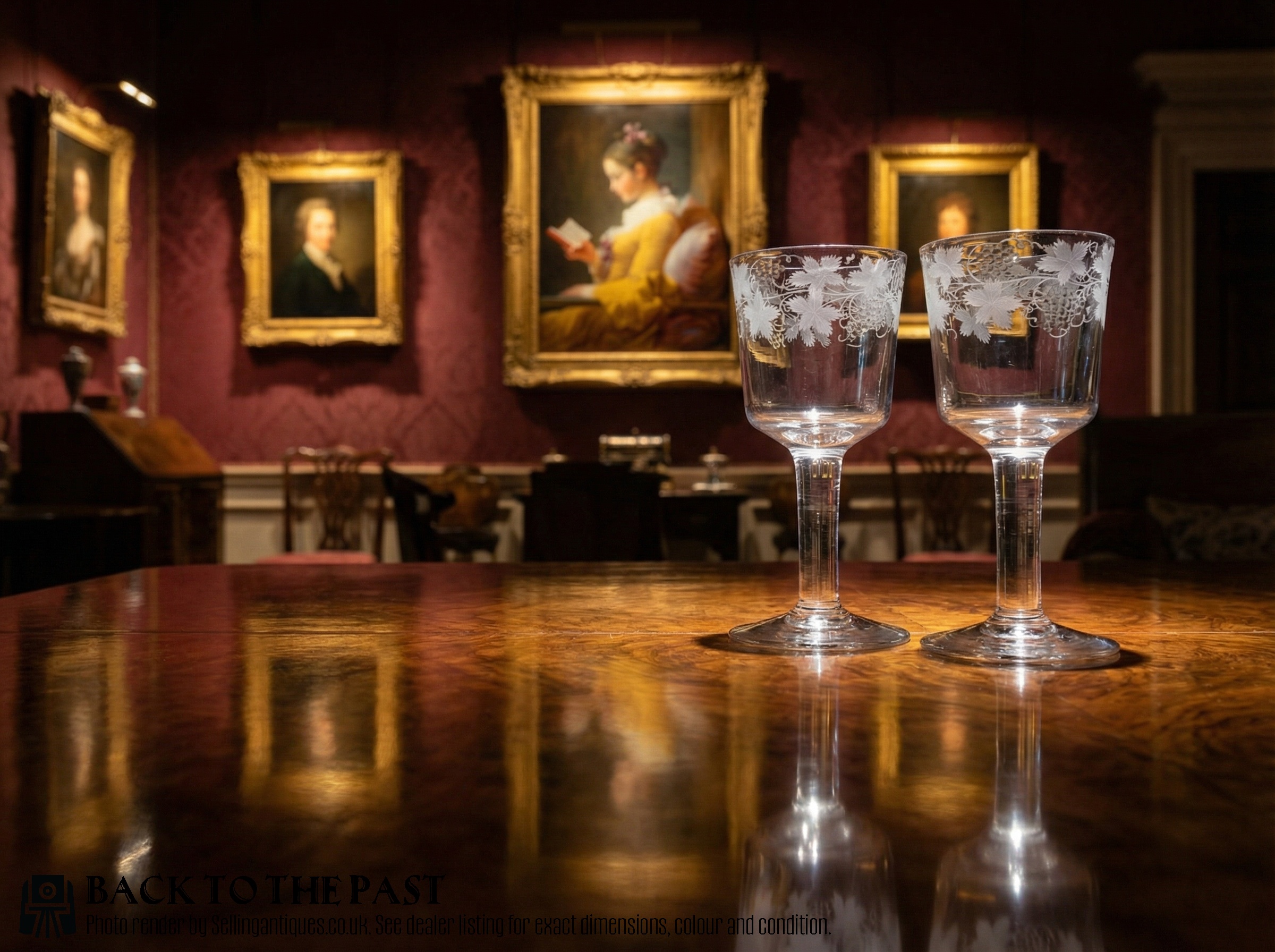
18th Century Wine Glasses
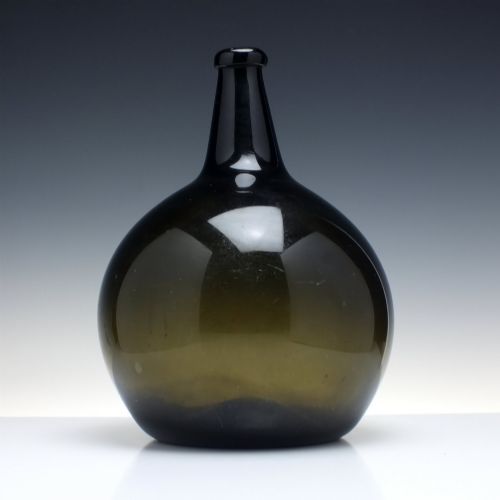
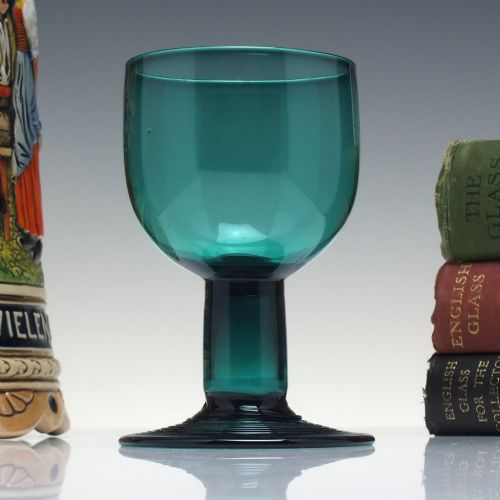
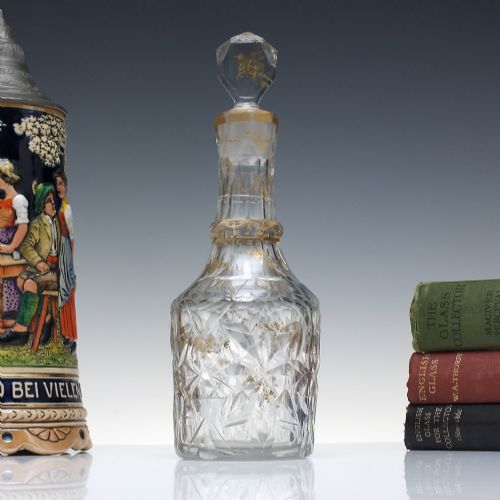
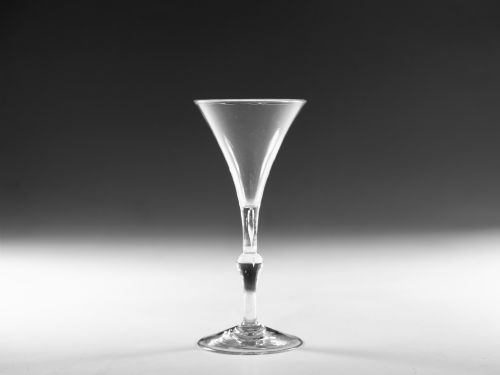
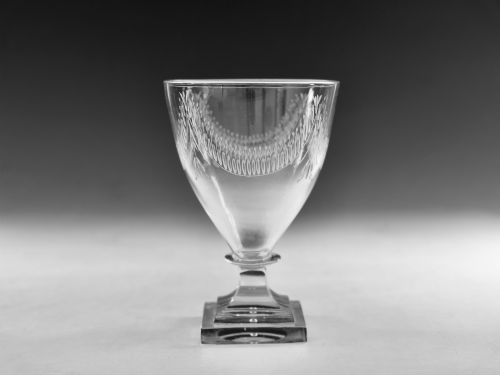
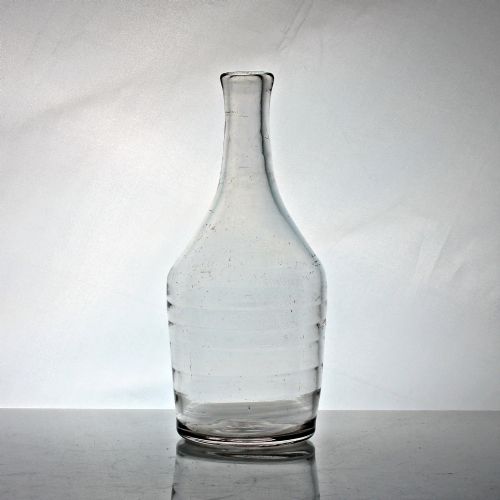
Collectors seeking 18th century wine glasses encounter a diverse array of drinking vessels spanning the Georgian era and originating primarily from English and continental workshops. These drinking glasses encompass delicate dram glasses, hearty rummers, and tall goblets alongside matching decanters and carafes.
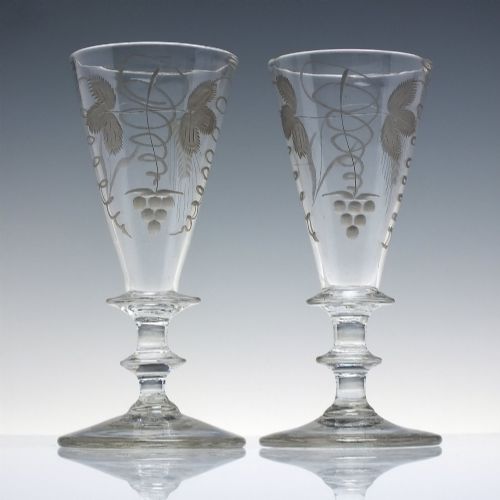
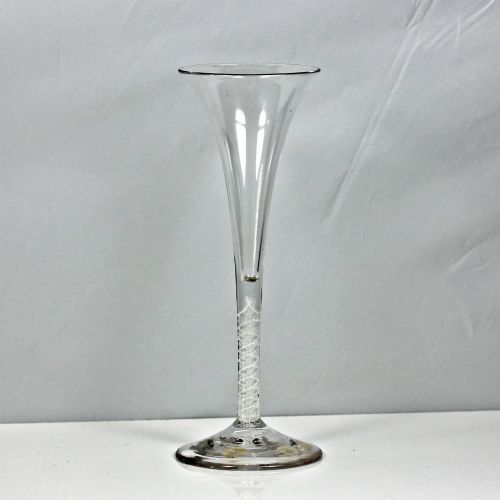
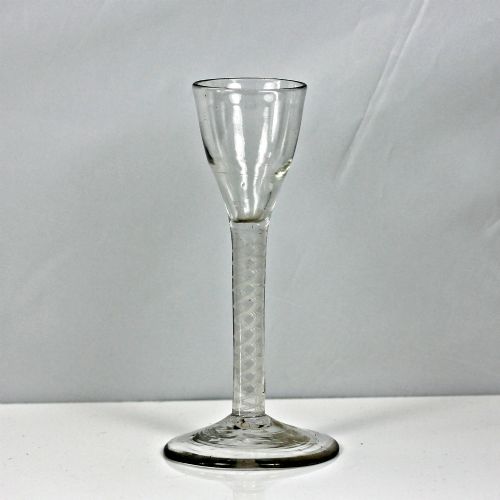
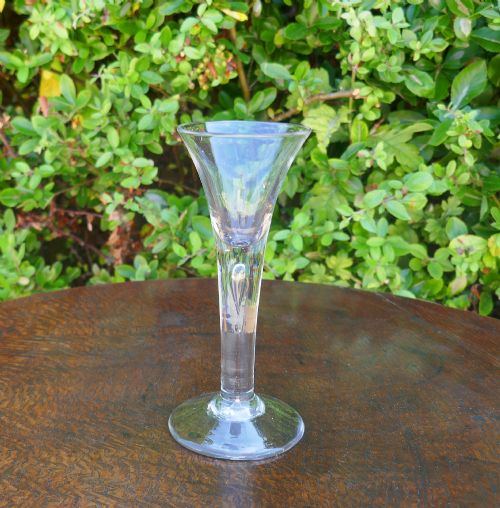
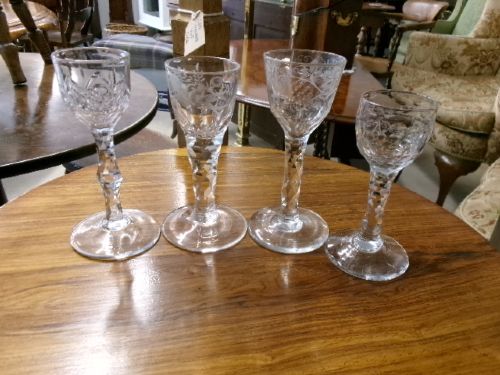
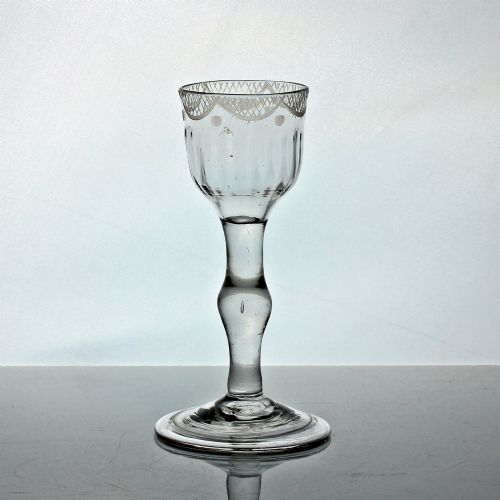
The pieces on this page heavily feature Georgian styling, incorporating distinct stems formed by air twists, opaque twists, and heavy balusters. Bowls range from trumpet and pan top profiles to ogee and bell shapes, often resting on folded or domed feet.
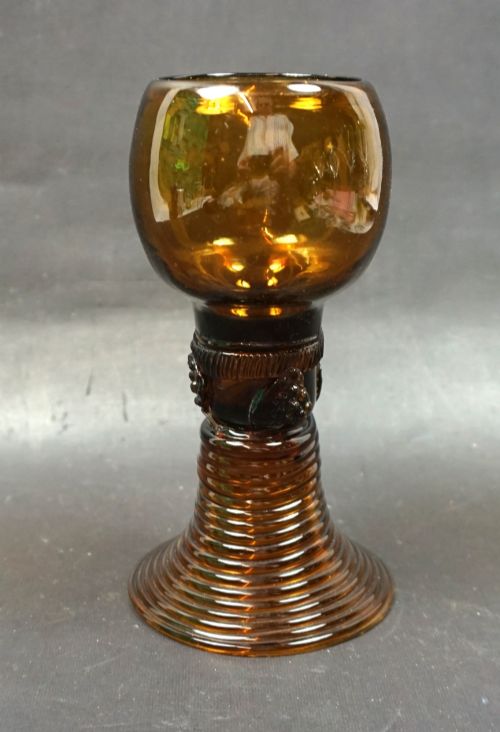
Beyond standard English lead glass creations, the selection extends to German roemers, colourful specimens in amber, green, and peacock blue, and larger ceremonial or marriage vessels bearing armorial engravings.
How they were made
Craftsmen shaped these items using hand-blown lead glass, clear glass, and flint glass, manipulating the molten material to incorporate decorative air bubbles or intricate internal threads. The introduction of lead oxide into the batch created a heavier metal that permitted deeper wheel engraving and sharper cut facets.
Stems were formed separately and joined to the bowls and foot bases, employing techniques such as multi-spiral air twists, single and double series opaque twists, and composite stem constructions. Artisans then finished the surfaces with wheel-engraving, gilding, or enamel decoration.
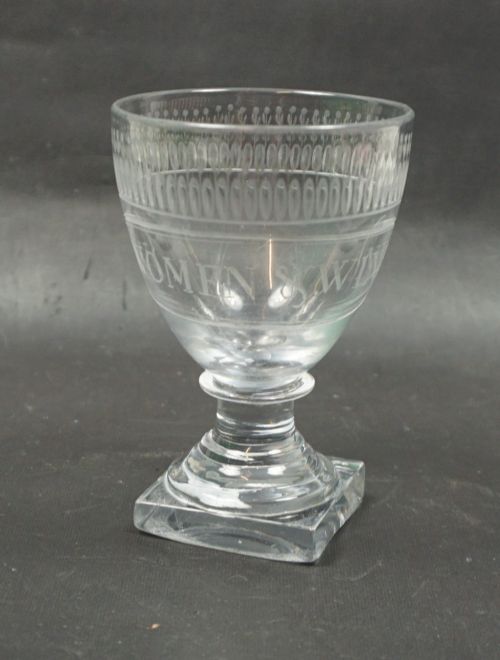
One surviving rummer carries the cheerful, egalitarian toast 'Women & Wine' engraved right across the bowl.
What varies in quality
The distinction between ordinary and superior pieces rests upon the dexterity displayed in the stem formation and the crispness of the wheel engraving. Complex twisted glass structures and multi-knopped balusters demand superior skill compared to plain stems.
Clarity of the metal, absence of excessive cloudiness, and well-balanced proportions between bowl, stem, and foot elevate certain examples above standard production pieces.
Atelier of James Giles
The 18th Century Wine Glasses Glossary
- Air twist
- A stem containing elongated internal spiral bubbles created by drawing air through hot glass before manipulation.
- Opaque twist
- A stem featuring white or coloured enamel glass threads drawn into spiral patterns inside clear glass.
- Baluster
- A heavy, thick stem style echoing architectural supports, popular in early Georgian drinking vessels.
- Ogee
- A bell-shaped bowl curving out at the rim and in at the base, commonly found on mid-century glasses.
- Roemer
- A large, dark-coloured German drinking vessel, usually green or amber, featuring a coiled foot base.
18th Century Wine Glasses: Frequently Asked Questions
How do I identify a Jacobite glass?
Jacobite glasses typically feature specific engraved emblems such as roses, oak leaves, or portraits associated with the supporters of the exiled Stuart kings. These symbols served as secret toasts during clandestine political gatherings.
Examine the bowl closely for these motifs, remembering that genuine period examples date predominantly from the mid to late 18th century.
What is the difference between air twist and opaque twist stems?
Air twist stems contain tiny, spiralling channels of trapped air running through clear metal, creating a subtle internal shimmer. Opaque twist stems replace air with solid white or coloured enamel rods drawn into intricate threads.
Both styles required immense skill from the glassblower, though opaque twists generally appeared slightly later in the Georgian period.
How were these glasses used originally?
These vessels were employed at formal dining tables for consuming various wines, ales, and cordials during long Georgian drinking sessions. Different bowl shapes suited specific drinks, such as narrow pan top bowls for sparkling beverages and deeper rummers for hearty ales.
Guests often toasted companions or political causes using specially engraved goblets and dram glasses.
Can I use antique wine glasses today?
Using these fragile historical objects requires caution because the lead glass is thinner and more susceptible to thermal shock and modern detergents. Hand washing in lukewarm water without soaking preserves the historical surface.
Many collectors prefer to display them safely in cabinets rather than risk daily household use.