
18th Century Welsh Oak
When you search for 18th century welsh oak, you meet regional country furniture built for everyday domestic life.
18th Century Welsh Oak
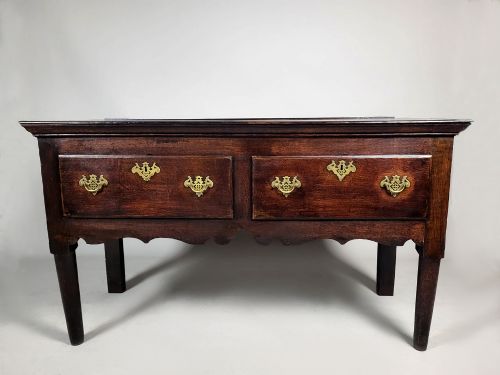
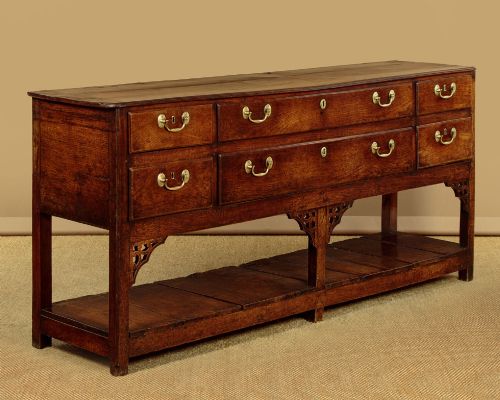
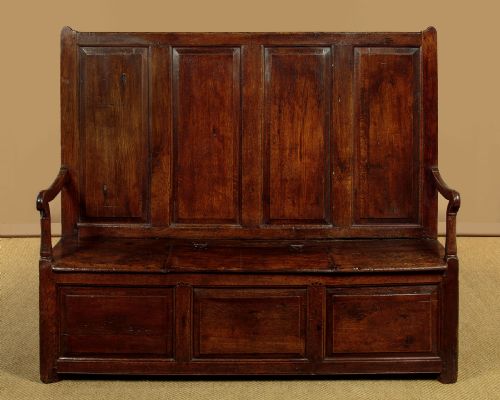
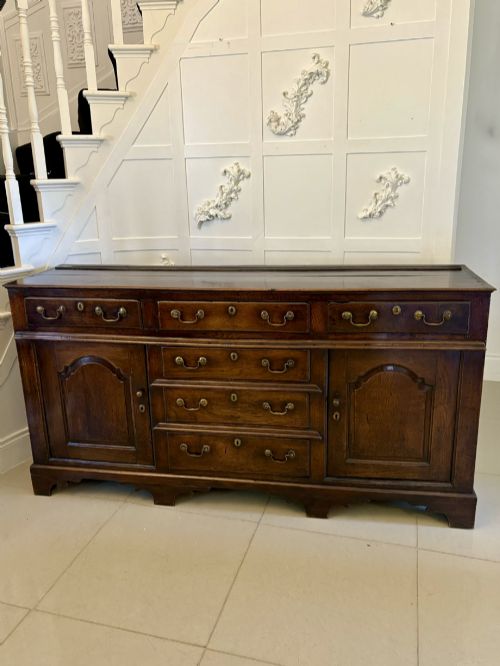
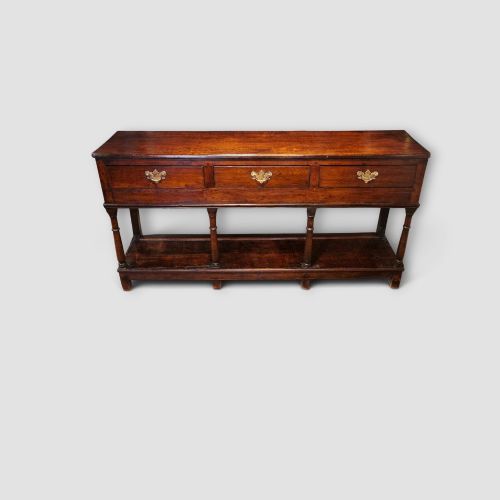
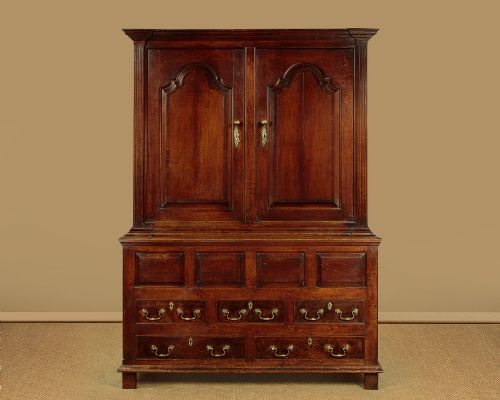
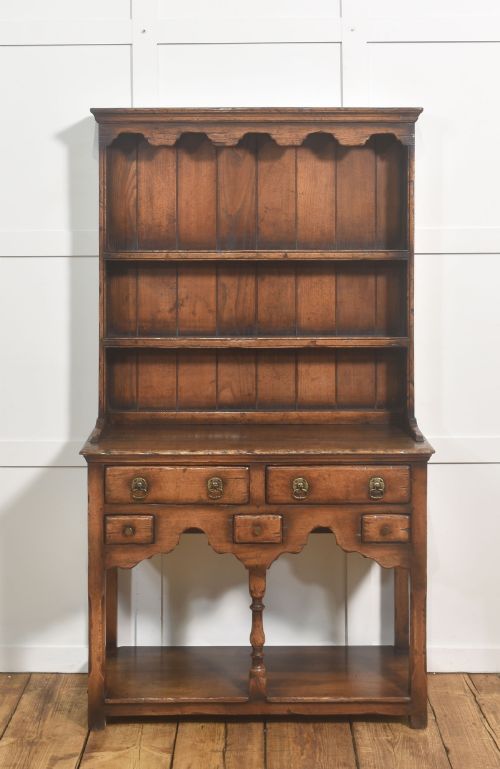
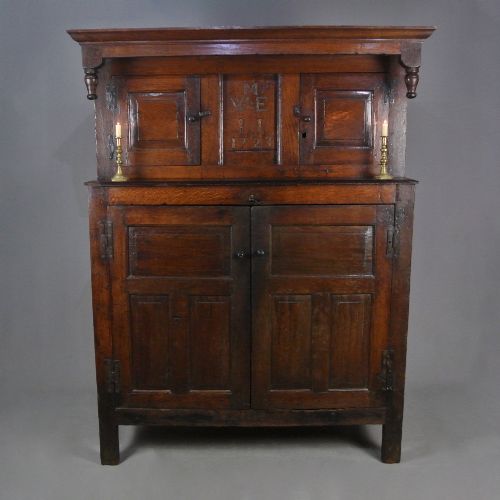
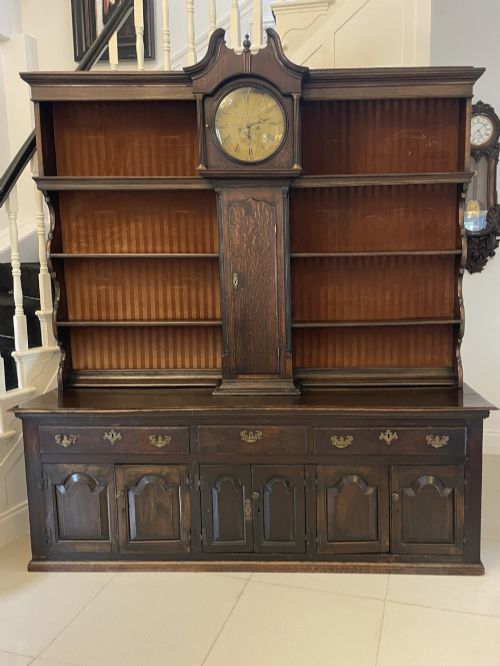
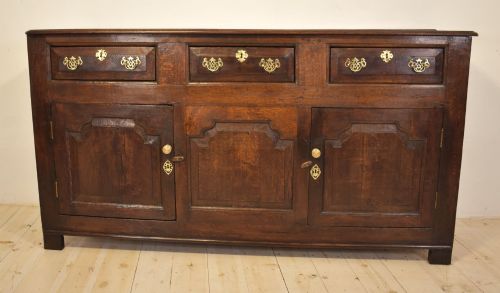
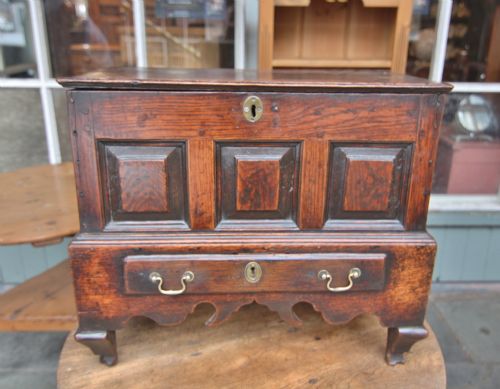
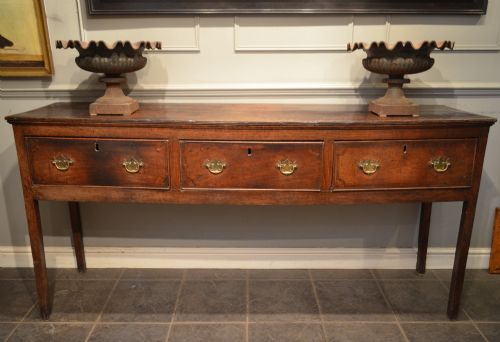
The 18th century welsh oak category encompasses robust domestic furniture made in rural workshops across Wales during the Georgian era. Buyers encounter substantial forms built for utility, ranging from open-rack dressers and potboard bases to multi-tiered cupboards and small miniature chests.
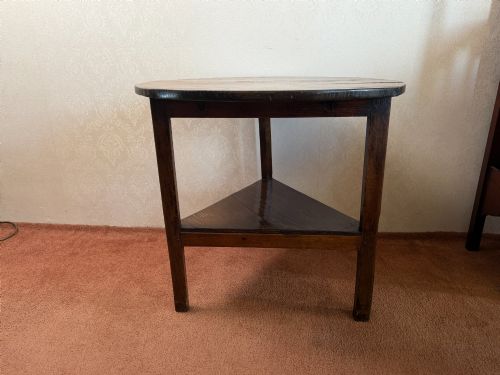
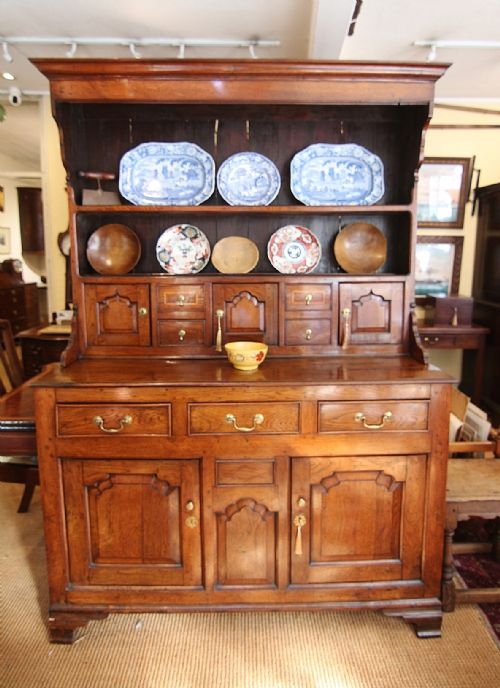
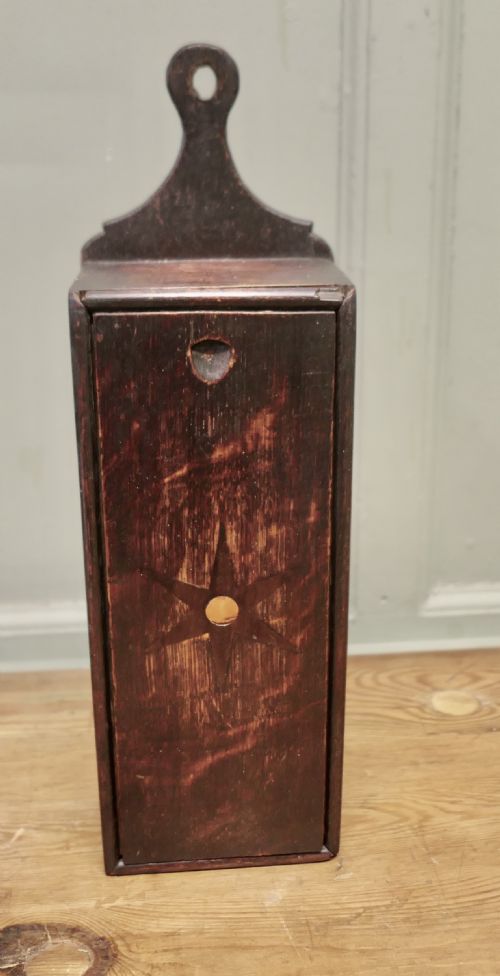
Dressers dominate the selection, often featuring plate racks or spice drawers integrated into regional designs like those from Snowdonia or Llanrwst. Alongside these storage pieces, smaller domestic items such as coffer bachs, cricket tables, and wall-hanging candle boxes appear frequently.
Regional variations define the character of these items, reflecting local vernacular traditions rather than metropolitan fashions. Structural elements like potboards and panelled doors demonstrate the practical demands of rural households across the centuries.
How They Were Made
Joiners relied primarily on native oak, supplemented by secondary timbers such as pine, ash, and elm for internal framing and drawer linings. Inlay wood added decorative contrast to select case pieces, while iron and brass provided hinges, escutcheons, and pulls.
Construction techniques combined traditional frame-and-panel assembly with pegged joints designed to withstand heavy daily use. Surfaces received basic finishing that allowed the natural grain and deep patination of the timber to develop over decades of cleaning and handling.
Listings feature structural forms in oak, elm, and ash, including multi-tiered cupboards, dressers, and lowboys from the Georgian period.
What Varies in Quality
Proportion and regional fidelity separate standard regional examples from pieces displaying exceptional cabinet-making ambition. Finer items exhibit balanced drawer arrangements, integrated carving, and timber selections with strong medullary rays.
The degree of original surface preservation and historical timber replacement dictates desirability among collectors. Untouched patination accumulated through generations elevates an example far above one with heavily restored or stripped surfaces.
The 18th Century Welsh Oak Glossary
- Coffer bach
- A small Welsh box or chest, often fitted with a drawer beneath the main compartment, traditionally used for holding valuables or linens.
- Cwpwrdd tridarn
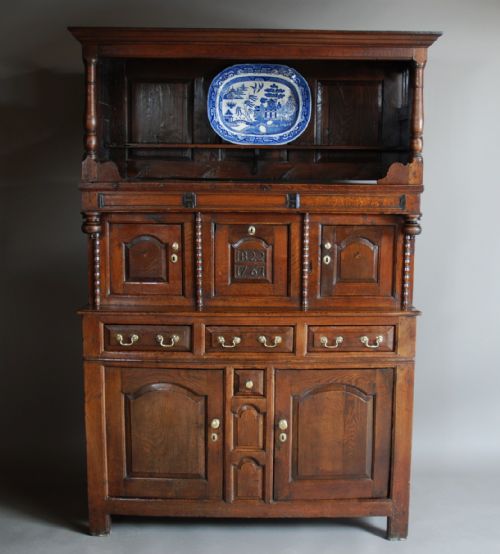
- A three-tier Welsh cupboard featuring an enclosed upper section, an open middle stage with turned spindles, and a lower cupboard base.
- Potboard
- An open lower shelf fitted between the legs of a dresser base, originally designed to hold pots and heavy kitchen utensils.
- Cricket table
- A small, lightweight occasional table supported by three splayed legs, historically used in domestic settings for dining or tea.
- Patina
- The surface sheen and deep coloration developed by timber over long periods through oxidation, handling, and wax polishing.
18th Century Welsh Oak: Frequently Asked Questions
What is a welsh dresser?
A welsh dresser is a large wooden storage unit combining a lower base of drawers and cupboards with an upper plate rack. These pieces served as the central storage and display fixture in country kitchens.
Regional variations in Wales often included potboards beneath or specialised spice drawers built into the upper superstructure.
How do I care for old oak?
Maintain old oak furniture by keeping it away from direct heat sources and sudden humidity changes that cause wood to split. Regular dusting and occasional application of traditional beeswax help preserve the surface.
Avoid modern silicone polishes, which penetrate the grain and alter the natural appearance of the timber over time.
Where were these pieces made?
These items were produced by local carpenters and joiners working in rural Welsh towns and remote agricultural regions. Specific areas like Snowdonia developed distinct structural characteristics and decorative details.
Towns like Llanrwst became known for particular dresser styles that distinguish them from English country furniture of the same period.
How are dates determined?
Dates are estimated by examining construction methods, nail types, hinge styles, and overall design evolution across the 18th century. Hand-cut dovetails and pegged frame construction offer key clues to the era of manufacture.
Some pieces feature carved dates or initials directly into the woodwork, providing a clear marker for their creation.