
18th Century Welsh Antiques
These 18th century welsh antiques bring rugged character to an interior through honest timber construction and regional vernacular forms.

18th Century Welsh Antiques
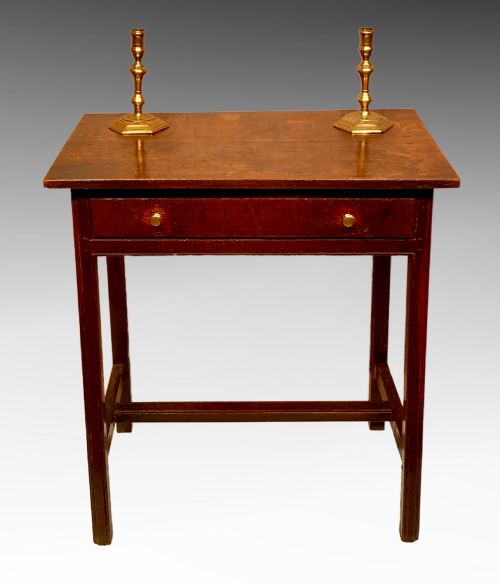
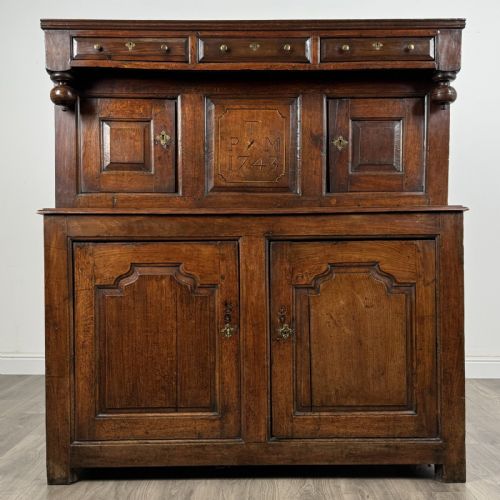
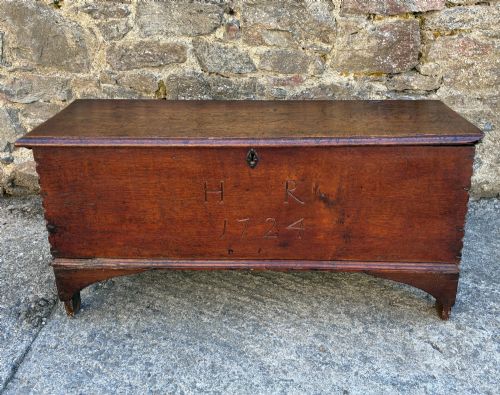
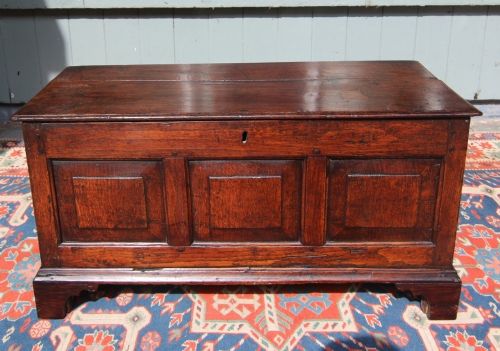
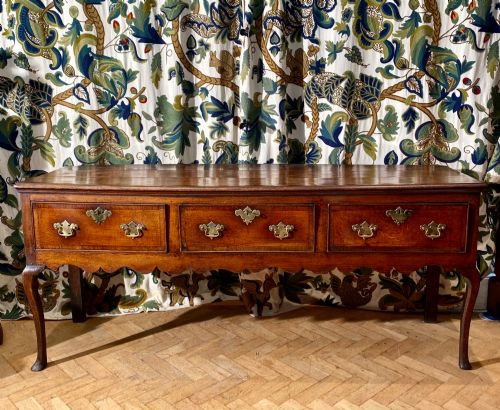
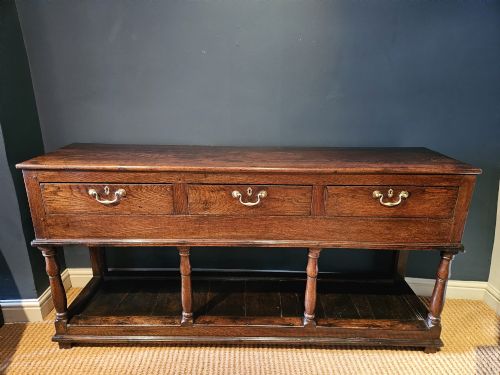
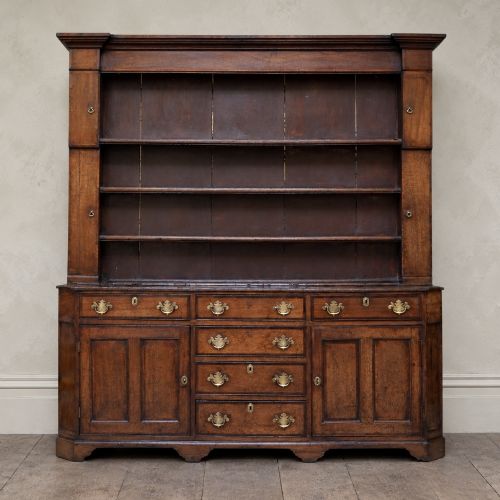
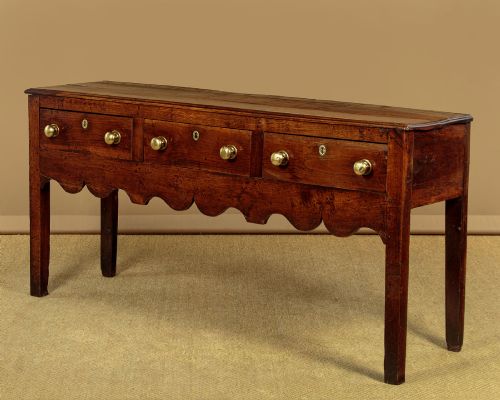
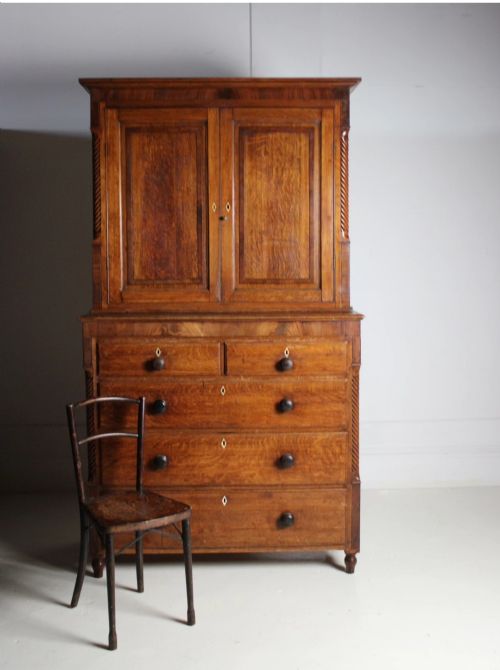
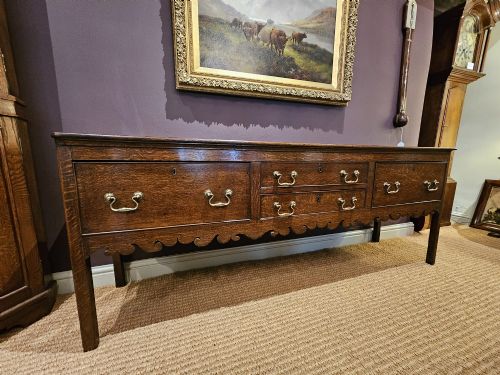
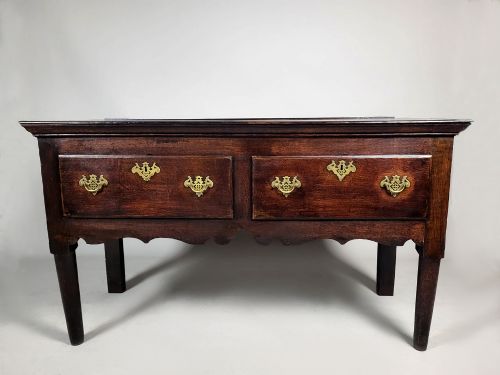
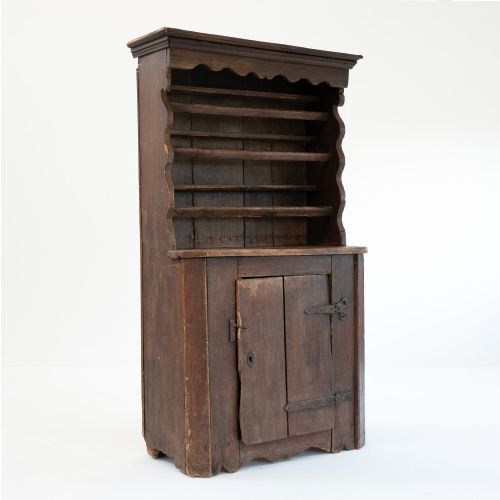
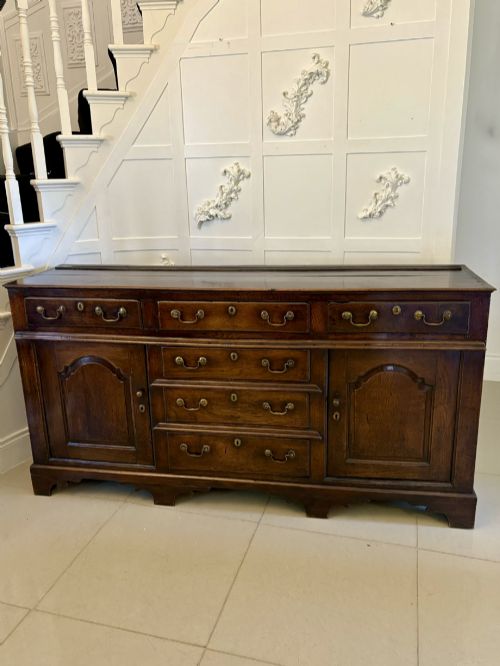
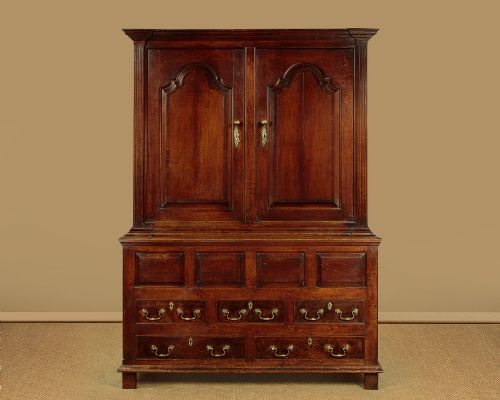
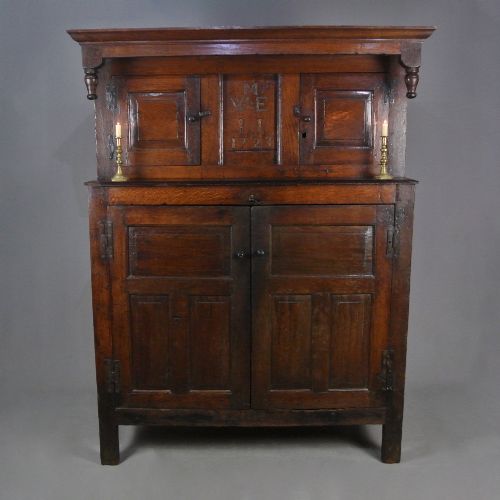
When searching for 18th century welsh antiques, you encounter domestic furniture rooted in the rural traditions of Wales, spanning periods from the early 1700s through the Georgian era. The selection centres heavily on practical forms designed for storage and display in country homes, including substantial dressers, potboard bases, and multi-tiered cupboards.
You frequently meet regional specialities such as the cwpwrdd tridarn, coffer bach, and bread and cheese cupboards alongside more familiar side tables and settles. Oak provides the primary structural timber across these forms, often supplemented by elm or pine in secondary parts.
The objects reflect the specific domestic needs of Welsh households, combining display racks for plates with deep enclosed spaces for provisions and linen. Their scale ranges from compact wall-hanging candle boxes to large architectural dressers fitted with extensive shelving.
What Varies in Quality
The standard of execution depends heavily on the ambition of the regional workshop and the quality of the timber selection. Finer pieces display carefully chosen grain patterns, subtle inlay work in contrasting woods, and well-proportioned mouldings that elevate utilitarian forms.
Proportion and originality dictate the standing of an individual piece within this tradition. Alterations to plate racks, replaced brass hardware, or extensive timber replacement alter the integrity of the surface and structure.
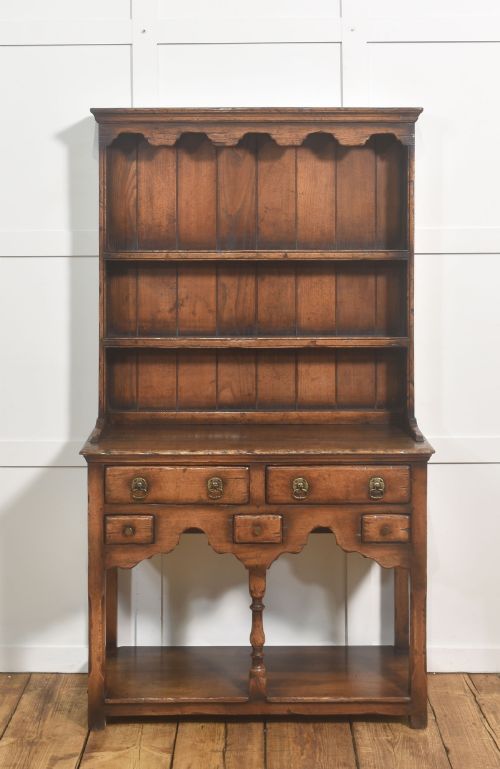
Listings feature regional oak forms from the eighteenth century, including tridarns, coffer bach, and potboard dressers.
The 18th Century Welsh Antiques Glossary
- Cwpwrdd Tridarn
- A traditional Welsh three-tier cupboard featuring an open middle section and enclosed top and bottom stages. These monumental pieces served as status items in prosperous rural homes.
- Potboard Dresser
- A dresser base featuring a lower slatted shelf intended for storing pots and pans off the stone floor. This open lower tier defines many regional Welsh and English country designs.
- Cricket Table
- A small, lightweight three-legged table with a round top, named for its tripod base resembling the stumps of a cricket wicket. These simple tables sat easily on uneven flagged floors.
- Box Settle
- A high-backed wooden bench with a hinged seat concealing a storage box underneath. They provided protection from draughts in farmhouse kitchens.
18th Century Welsh Antiques: Frequently Asked Questions
What is a Welsh dresser?
A Welsh dresser combines a lower storage base of drawers and cupboards with an upper open rack for displaying plates and serving dishes. These pieces formed the central functional furniture of the historic farmhouse kitchen.
Makers tailored the proportions and rack designs to suit regional preferences across different valleys and towns. The open shelving held everyday earthenware alongside valued ceramic pieces.
How do I identify regional Welsh styles?
Regional identification relies on specific construction details, timber choices, and local vernacular forms like the Snowdonia tridarn or Llanrwst dressers. Distinctive carving motifs and inlay patterns often point to particular workshops or counties.
Comparing the arrangement of drawers, panel styles, and mouldings helps distinguish Welsh vernacular pieces from English country equivalents. Local timber availability also guides the attribution of secondary woods.
Where were these pieces used?
These items belonged in the kitchens, parlours, and dairies of rural Welsh farmhouses and cottages. Their sturdy construction suited daily domestic labour and food preparation.
Cupboards held dry provisions, bread, and household linens, while tables and settles accommodated family life around the hearth.
How do I care for antique oak?
Antique oak benefits from stable indoor humidity levels and protection from direct sunlight and heat sources. Maintaining consistent environmental conditions prevents timber shrinkage and splitting.
Applying traditional beeswax occasionally nourishes the dry grain and preserves the historic surface patina. Avoid modern silicone polishes that build up sticky residues on the wood.