


18th Century Watercolour Painting
An 18th century watercolour painting captures the delicate pigments of the Georgian era, offering collectors intimate portrait miniatures and atmospheric landscapes.
18th Century Watercolour Painting
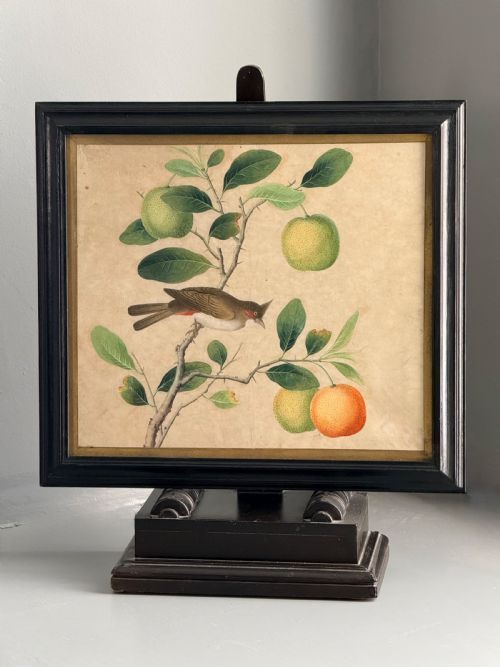
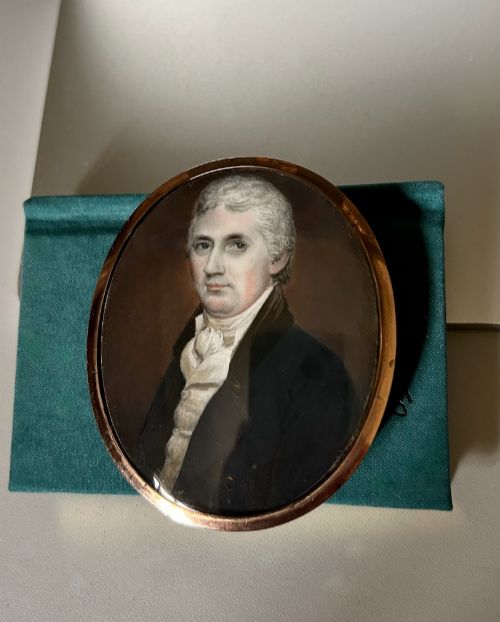
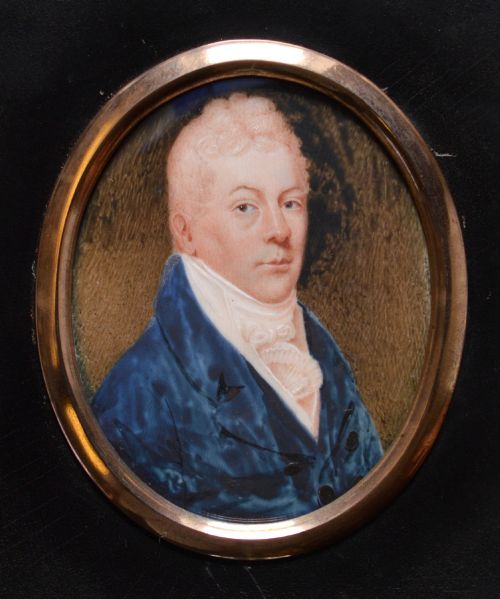
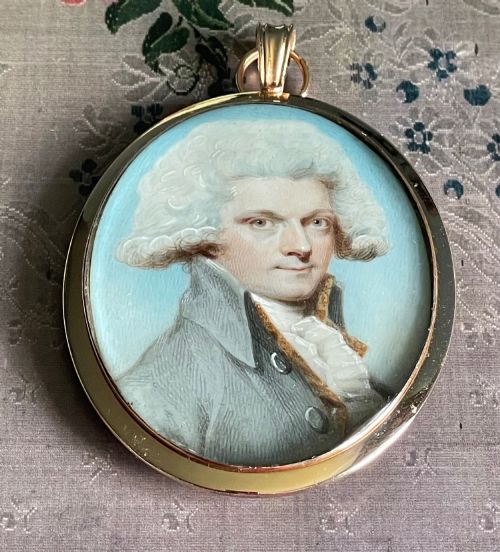
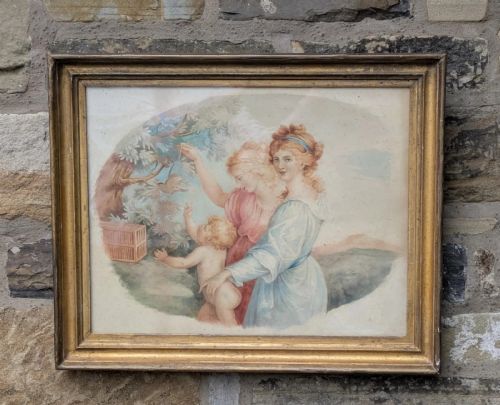
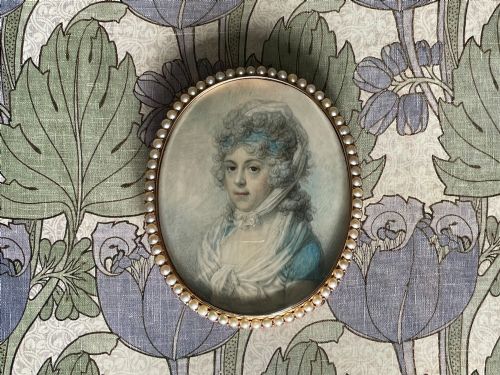
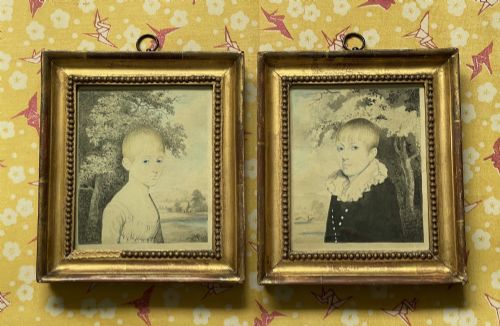
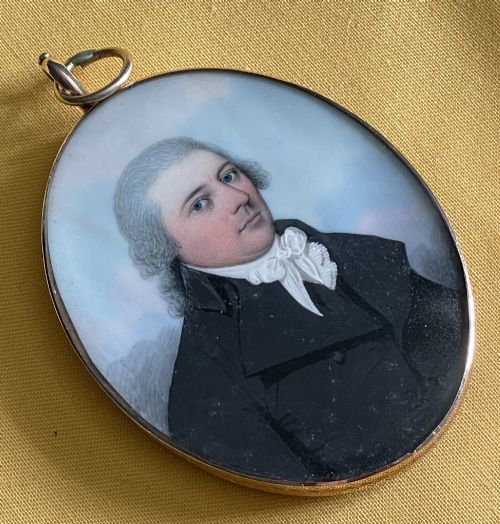
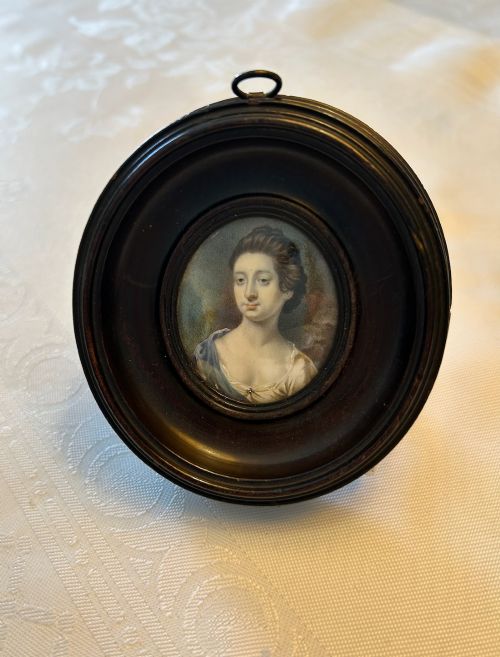
An 18th century watercolour painting encompasses delicate works on paper, card, pith paper, and ivory, spanning intimate portrait miniatures of gentlemen and ladies alongside expansive British and European landscapes. Buyers encounter both finely detailed portraiture housed in gold or ebonised frames and picturesque topographical scenes depicting abbeys, rivers, and architectural views.
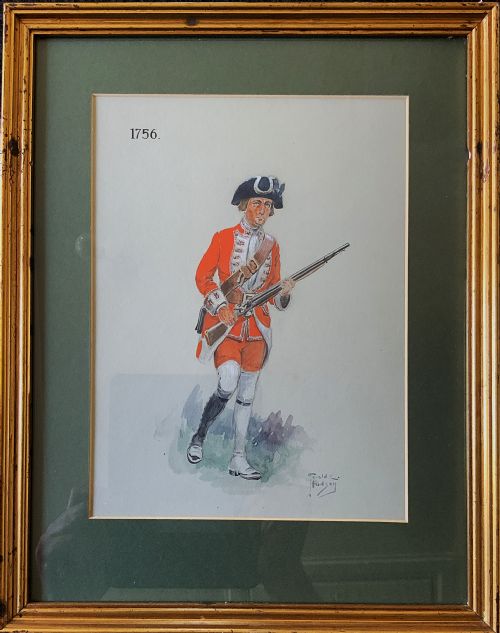
The selections range from signed works by recorded British and continental artists to studies attributed to recognised schools and followers of major painters. Subjects extend from military officers and nobility to classical compositions and pastoral scenes set across England, Wales, and Europe.
How They Were Made
Artists applied water-based pigments combined with gum arabic onto prepared surfaces such as rag paper, card, or thin slices of ivory, frequently employing ink wash and gouache for added opacity and definition. Monochrome grisaille works utilised single-colour washes to build tonal depth, particularly in architectural and landscape studies.
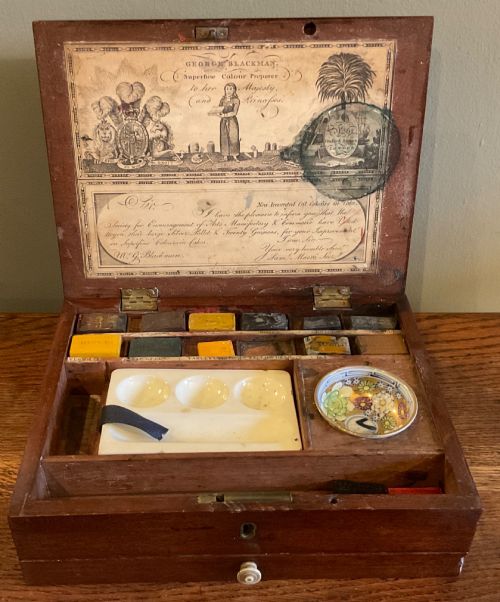
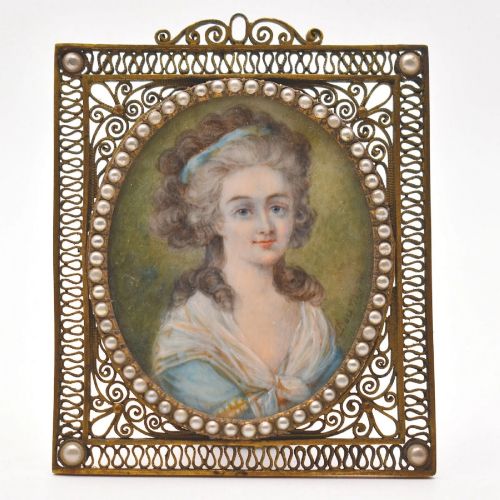
Finished paintings were secured within protective enclosures utilising glass, gilt metal, wood, and seed pearls, often set into specialised frames or portable artist paintboxes equipped for field work.
Several miniatures preserve the gaze of officers and children who sat patiently while artists captured their likenesses by candlelight.
What Varies in Quality
Material selection also defines the tier of the piece, with works utilising genuine ivory panels, 18-carat gold frames, and signed mountings reflecting higher workshop status than anonymous school sketches.
Charles Shirreff·Richard Cosway·Frederick Buck·William Naish·Nicolas Freese·George Engleheart·William Grimaldi·Pio Panfili·Amos Green·John Downman
The 18th Century Watercolour Painting Glossary
- Gouache
- An opaque watercolour paint made from pigments bound in water-soluble gum, mixed with white pigment to create a solid, matte finish. It allows artists to apply light highlights over darker washes.
- Grisaille
- A painting executed entirely in monochrome tones of grey, neutral grey, or black. This technique often served as a preparatory study for engravings or to imitate sculptural reliefs.
- Portrait Miniature
- A small, highly detailed portrait painted on ivory, vellum, or card during the Georgian and Regency periods. These portable likenesses were frequently worn as jewellery or kept in protective cases.
- Pith Paper
- A delicate material formed from the spongy interior of the Tetrapanax papyrifer plant, used for botanical and figurative watercolours. It absorbs water-based pigments to produce velvety colour saturation.
- Wash
- A thin, fluid layer of watercolour or ink diluted with water to create translucent areas of colour. It forms the tonal background and atmospheric effects in landscape paintings.
18th Century Watercolour Painting: Frequently Asked Questions
How should I display an 18th century watercolour painting?
Watercolours are exceptionally sensitive to light, so mount your painting away from direct sunlight to prevent the pigments from fading over time. Utilising UV-protective glass when framing provides an extra layer of preservation for the delicate paper and ivory surfaces.
Keep the artwork in a stable environment with moderate humidity levels to protect the paper substrate and historic wooden or gilt frames from warping or deterioration.
What is the difference between a portrait miniature and a landscape watercolour?
Portrait miniatures from this era are small, intimate likenesses painted on specialised surfaces like ivory or fine card, often commissioned to commemorate family members or military officers. They were frequently housed in lockets, gold frames, or hinged cases designed to be carried or worn.
Landscape watercolours are larger works on paper that capture topographical views, architectural ruins, and pastoral scenes. These pieces were created for display on walls rather than personal carriage.
How can I identify a Georgian watercolour?
Georgian watercolours often exhibit characteristic muted earth tones, refined pen and ink underdrawing, and subjects ranging from picturesque British landscapes to oval portrait miniatures. Paper stocks from this period frequently display visible watermarks when inspected closely against the light.
Signatures or inscriptions on the reverse of the paper or frame often provide clues regarding the artist, sitter, or specific location depicted in the composition.
Why are some paintings executed in monochrome?
Monochrome watercolours, known as grisaille, utilise single-colour washes of grey, brown, or black to focus entirely on light, shadow, and architectural form without the distraction of colour. Artists frequently employed this technique for preparatory studies or to evoke classical engravings and bas-relief sculptures.
These works offer a distinct graphic quality that highlights the draftsman's precise control over tone and perspective.