
18th Century Walnut Drawers
When seeking 18th century walnut drawers, you meet domestic storage pieces built during a period of exceptional cabinet-making skill.
18th Century Walnut Drawers
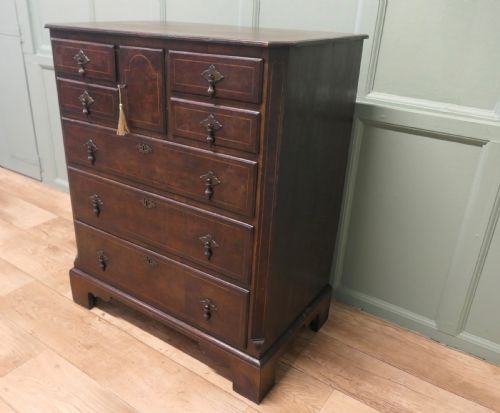
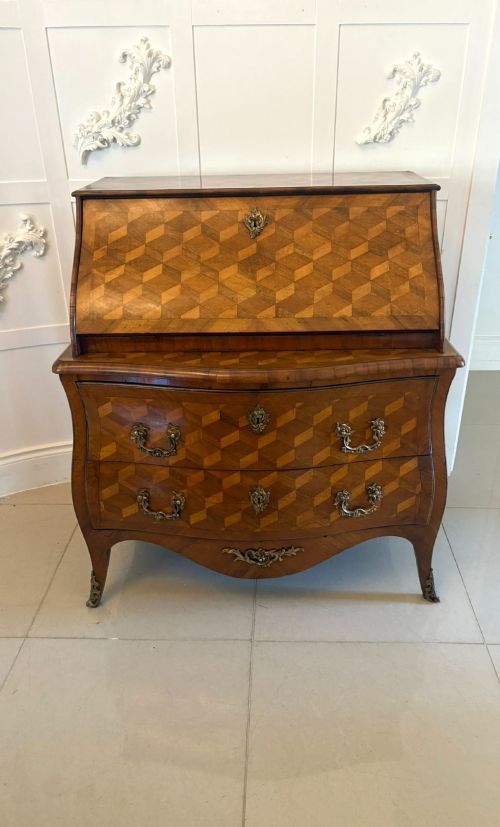
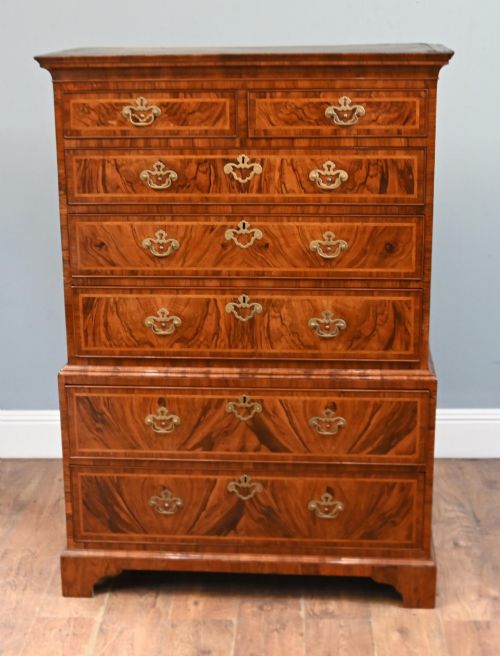
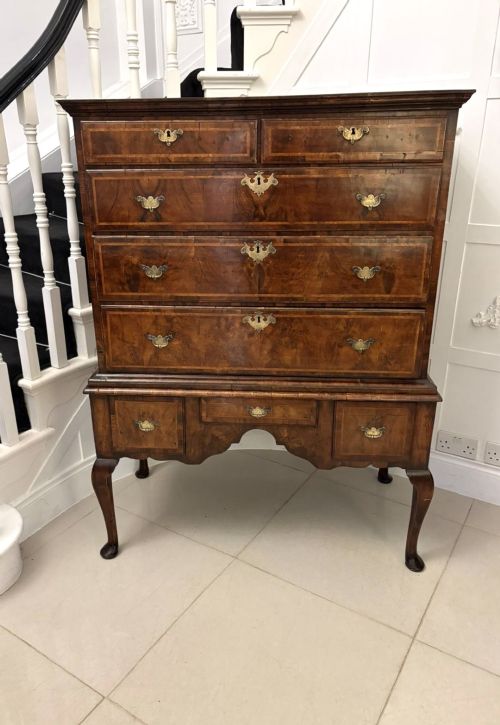
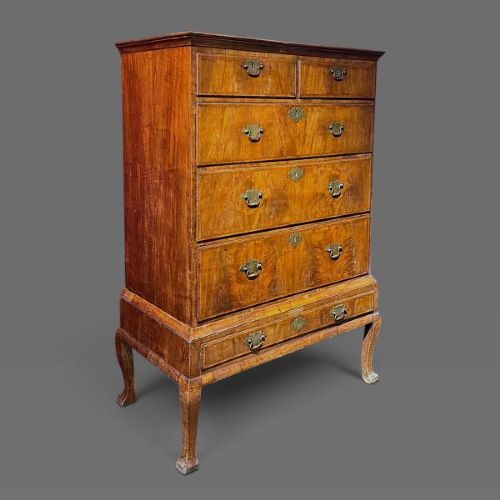
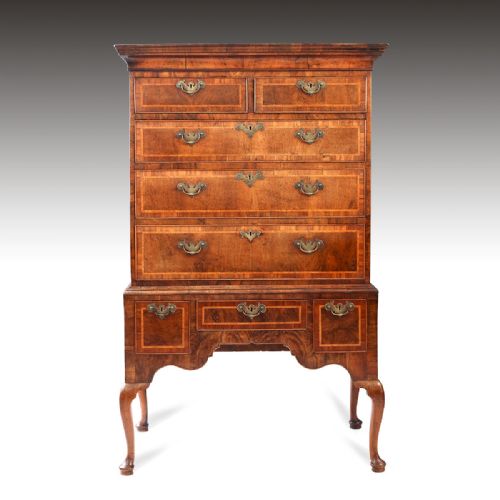
When searching for 18th century walnut drawers, you encounter a range of domestic storage forms including tallboys, chests on stands, lowboys, and bureaus. The pieces surviving from this era reflect the transition from solid timber construction to sophisticated veneering techniques.
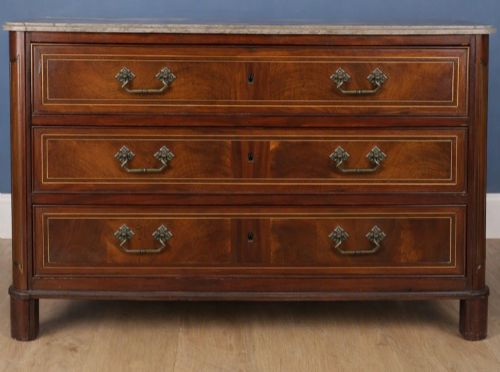
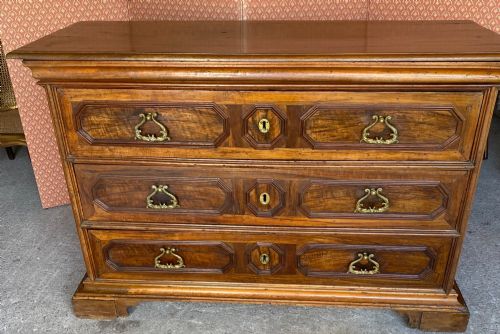
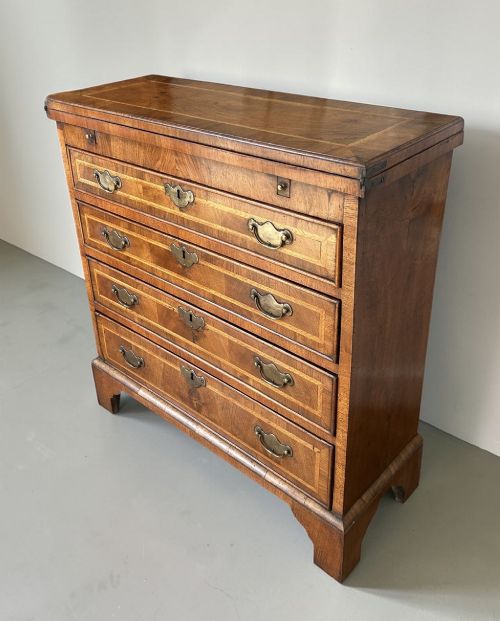
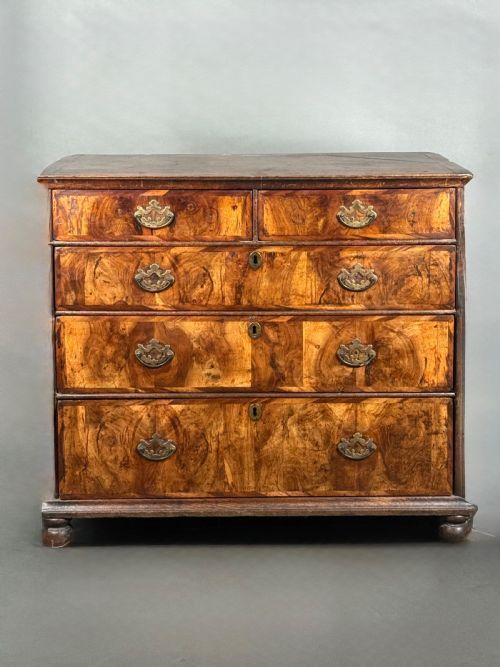
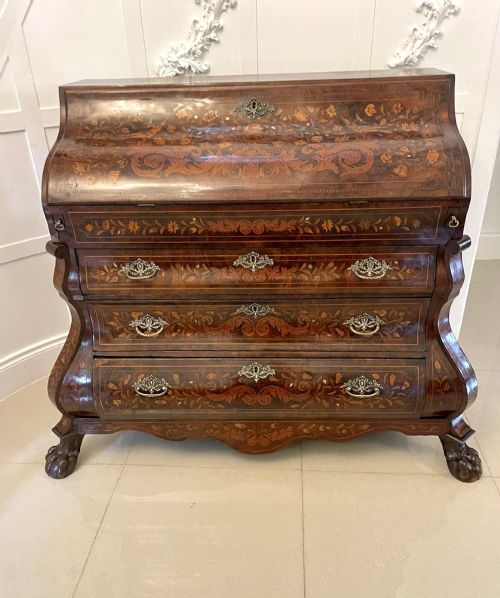
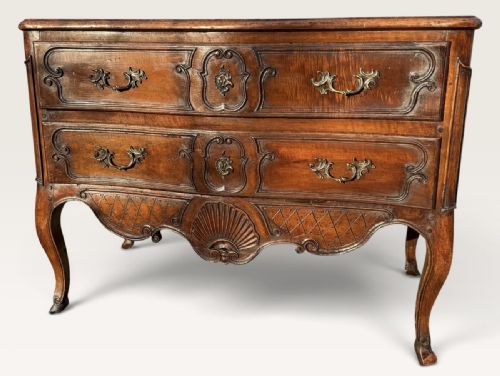
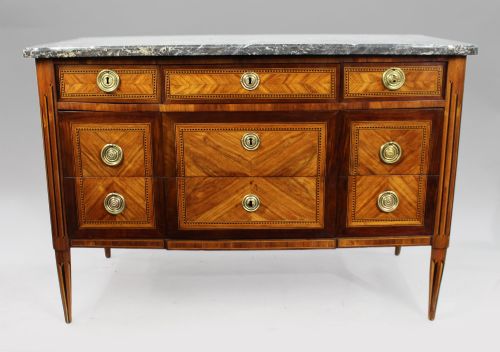
The English and continental pieces found here span the reigns of Queen Anne and the early Georges, alongside continental examples from France, Germany, and the Netherlands. Chests of drawers with two small drawers over three larger ones appear frequently, alongside writing desks and commodes fitted with brass hardware.
Materials and construction methods
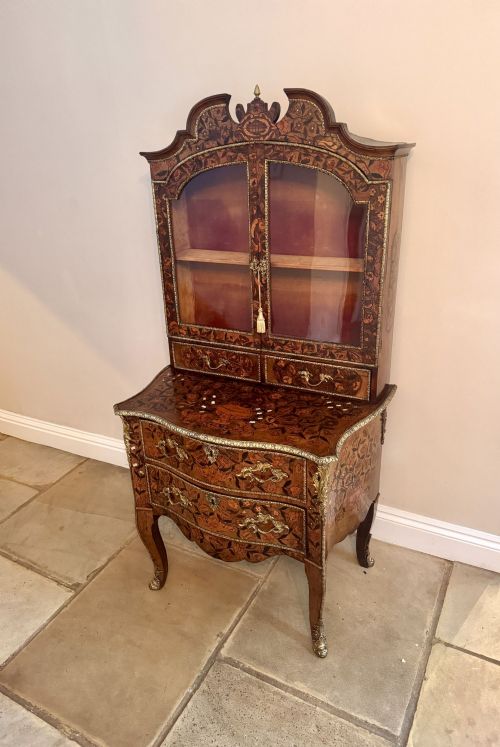
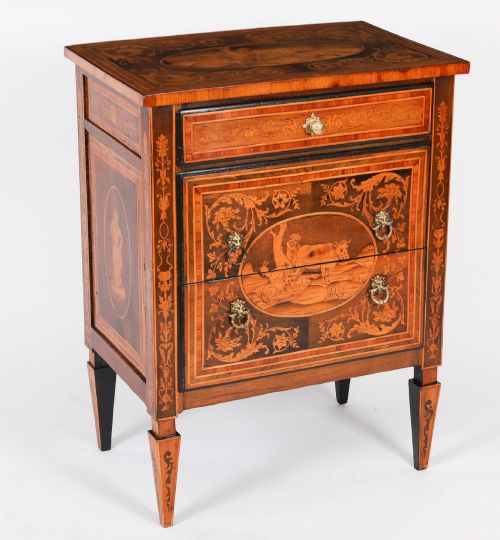
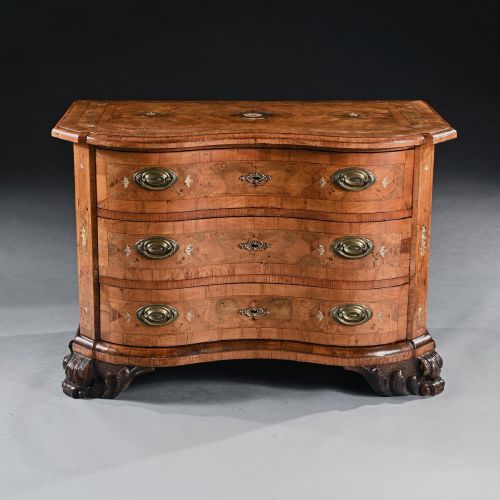
Cabinet-makers utilised native and imported timbers, applying figured walnut, burr walnut, and fruitwood veneers over robust secondary woods such as oak and pine. Crossbanding, herringbone banding, and marquetry inlays using ivory, pewter, and fruitwoods decorate the primary surfaces.
Joinery methods rely on hand-cut dovetails for drawer construction and pegged mortise and tenon frames for larger carcases. Brass drop handles, batwing plates, and escutcheons secure the drawer fronts, often fixed with original cast brass locks.
Listings feature oak as the primary internal carcase wood beneath walnut veneers.
Judging the quality of walnut furniture
The hierarchy of quality depends heavily on the selection and matching of the walnut veneers across the drawer fronts and top surfaces. Continuous grain patterns and rich figure depth separate standard domestic pieces from exhibition-grade furniture.
Secondary woods and internal construction reveal the workshop standard, where tight dovetailing, original backing boards, and untouched timber patination elevate a piece. The presence of intricate marquetry, parquetry, or specialised forms like a dished sunburst points to skilled metropolitan or continental workshops.
The 18th Century Walnut Drawers Glossary
- Burr walnut
- A prized wood harvested from the abnormal growth excrescences on walnut trees, yielding complex swirling grain patterns. Cabinet-makers sliced this timber into thin sheets for veneering visible surfaces.
- Lowboy
- A small low dressing table or side table featuring a single or multiple rows of drawers set beneath a flat top. These often stand on slender cabriole legs.
- Chest on chest
- A tall storage unit comprising a lower chest section topped by a slightly smaller upper chest, also known as a tallboy. This form maximised vertical storage space in domestic chambers.
- Herringbone banding
- A decorative border inlay composed of small veneer strips cut at angles to form a repeating V-pattern. It frames the drawer edges and top panels of many Georgian pieces.
- Bombe
- A distinct convex, swelling contour shape characteristic of continental furniture styles. This curved profile requires advanced heat-bending and shaping of the timber carcase.
18th Century Walnut Drawers: Frequently Asked Questions
What is a walnut lowboy used for?
A lowboy served primarily as a dressing table or a small writing side table in domestic bedchambers. The surface held toilet mirrors and small accessories, while the drawers kept personal items secure.
Today, these versatile tables function well as hallway console tables or compact writing desks in modern interiors.
What is the difference between a chest on stand and a tallboy?
A chest on stand pairs a drawer section with a separate, elevated base frame supported on legs, often with shaped aprons. A tallboy, or chest on chest, stacks one full-width chest directly on top of another without an open leg space.
Both forms provided increased storage capacity while breaking up the visual weight of large bedroom case pieces.
How do I care for walnut veneer?
Walnut veneer requires stable indoor humidity levels away from direct heat sources and strong sunlight to prevent lifting and fading. Regular dusting with a dry, soft cloth maintains the natural timber finish without chemical buildup.
Applying traditional beeswax polish occasionally nourishes the dry wood and preserves the historical surface patination.