


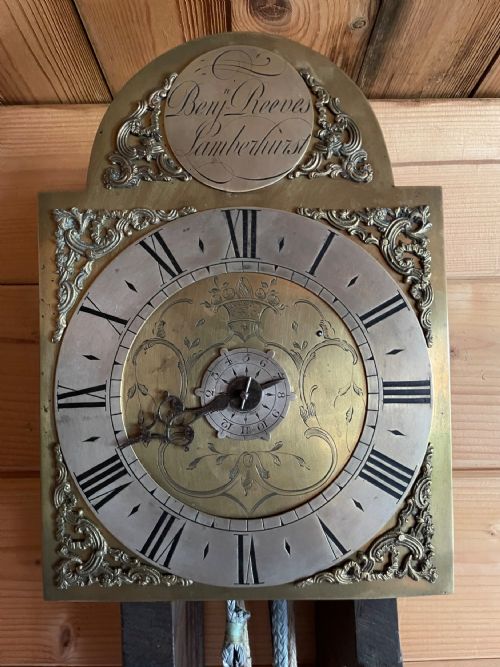


18th Century Wall Clock
An 18th century wall clock brings mechanical precision and period character to a room, offering brass gears and mahogany cases built to last.
What an 18th century wall clock is
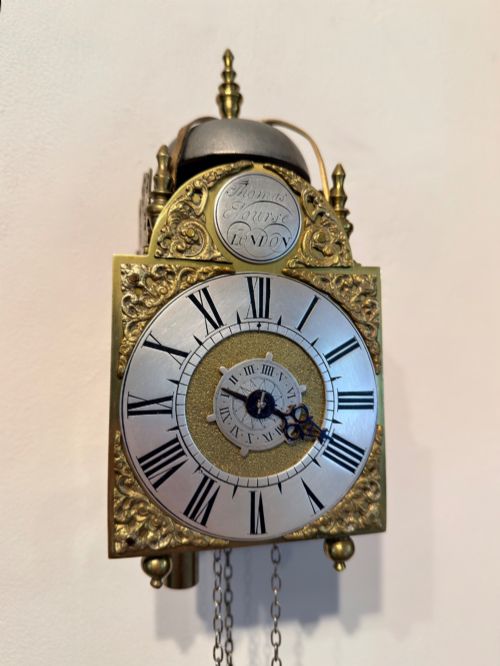
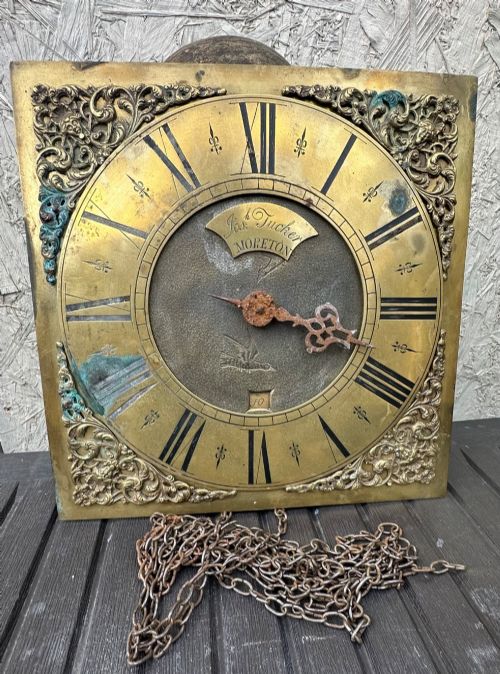
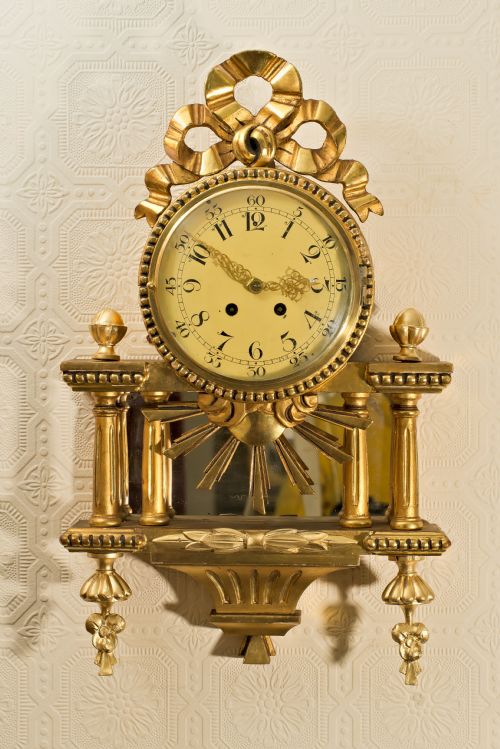
An 18th century wall clock is a timekeeping device designed to hang on a wall, originating from periods such as the Georgian era and the year 1800. These timepieces take many forms, including miniature hook and spike lantern styles, drop dial tavern clocks, Dutch staart clocks, and Swiss Neuchatel clocks.
How they were made
Makers constructed these clocks using durable materials like brass, steel, iron, and silvered metal for the internal movements and dials. Cases utilised timber such as mahogany, often paired with glass panels and metal components.
Movements relied on traditional mechanisms including verge escapements, twin fusee systems, and birdcage structures. Dials featured painted metal or silvered brass, driven by weights or springs depending on the specific clock type.
Retail Price Guide 2026
Typical UK retail prices for 18th century wall clock, calculated from the Sellingantiques database of over a million retail prices indexed since 2003. This retail price guide relies exclusively on Sellingantiques data; no external sources or auction records are used, so the figures do not describe the wider market.
What varies in quality
The sophistication of the movement separates simpler timepieces from complex examples, particularly those featuring quarter striking or alarm mechanisms. Originality of components and the preservation of early verge movements heavily influence the standard of the piece.
Cabinetwork quality shows in the finishing of mahogany cases and the execution of dial engraving. Signed dials by recorded makers demonstrate superior craftsmanship compared to unsigned workshop output.
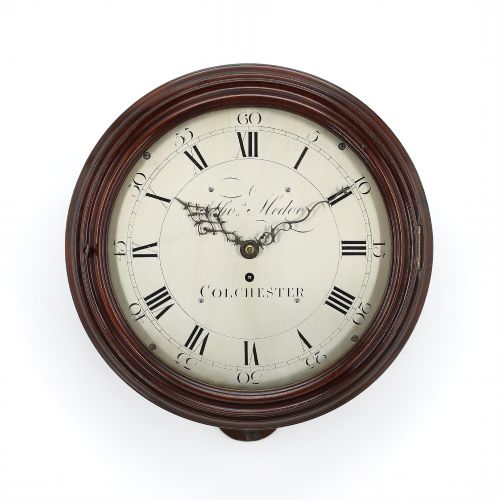
Thomas Hedge of Colchester·Benj Reeves Lamberhurst·George Buckmaster Royston·Robert Salmon·Martinot of Paris·Edward Tulet London
The 18th Century Wall Clock Glossary
- Verge movement
- An early type of escapement mechanism utilising a crown wheel and a verge axle to regulate the timekeeping. This was standard in many early clocks before pendulum innovations became widespread.
- Drop dial
- A clock case design featuring a circular dial at the top positioned above an extended lower wooden trunk. This shape housed the longer drop required for the pendulum or weights.
- Fusee
- A conical pulley used in spring-driven clocks to maintain equal force on the gear train as the mainspring unwinds. It ensures consistent timekeeping across the power reserve.
- Hook and spike
- A traditional mounting method where the clock movement hangs on a spiked iron spike driven directly into the wall. This allowed simple removal and maintenance of lantern clocks.
- Staart clock
- A traditional Dutch wall clock featuring a weighted movement suspended in a wooden case with a distinctive tail or pendulum enclosure below. The design originated in the Netherlands during the eighteenth century.
Frequently Asked Questions
How do I wind an 18th century wall clock?
Winding requires using a matching key to carefully tension the spring or pull up the weight, depending on the movement type. Care must be taken not to overwind the mechanism.
Most wall clocks of this era need attention once a week or daily for alarm variants. Keeping a regular schedule helps maintain the accuracy of the gears.
Where should I hang a wall clock?
Choose a sturdy interior wall away from direct sunlight, draughts, and dampness to protect the wooden case and metal parts. Solid masonry or well-fixed studs are essential for supporting the weight.
Ensure the wall is completely vertical so the pendulum can swing freely without catching. Proper mounting directly affects how steadily the movement runs.
What is a tavern clock?
A tavern clock is a large dial timepiece with a dropped wooden trunk, often commissioned for public houses and coaching inns during the Georgian period. Their size made them easy to read from a distance.
These clocks feature bold painted metal dials and mahogany cases designed for heavy commercial use. They represent a distinct subcategory of eighteenth century timekeeping.
How do I tell if a movement is original?
Examine the mounting brackets, pinions, and wheel-cut marks for consistency with eighteenth century workshop practices. Signs of wear should match across all interacting metal components within the clock.
Alterations often show as filled screw holes or mismatched brass alloys. Consulting recorded maker signatures and movement styles helps verify authenticity.