



18th Century Textile
These pieces of 18th century textile bring historical woven art, intricate embroidery and tactile warmth directly into a room.
18th Century Textile
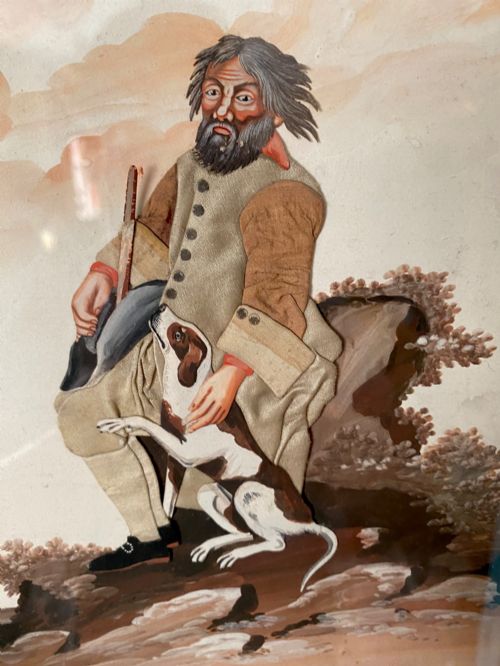
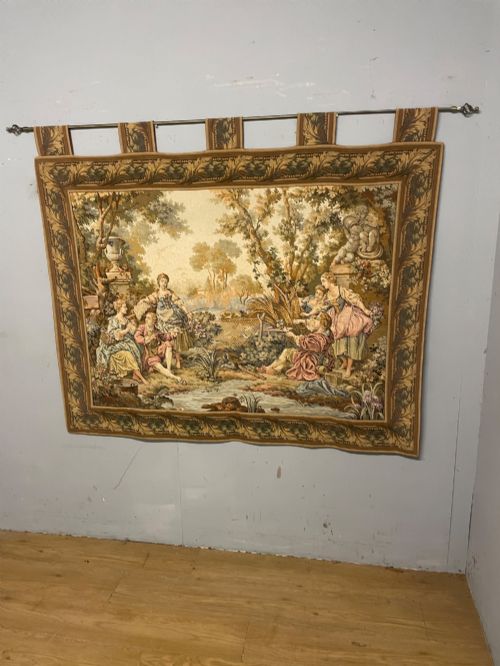
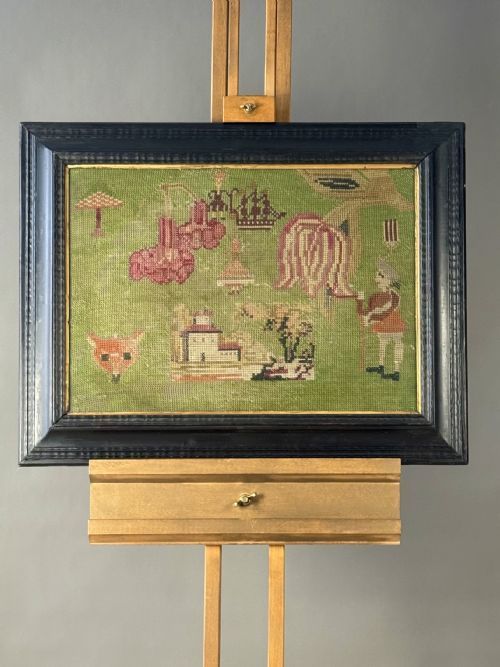
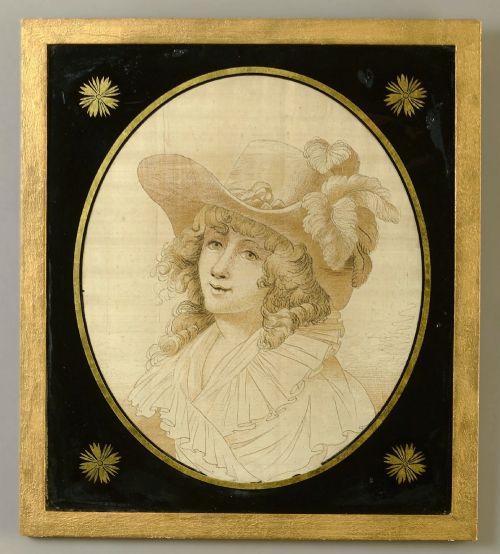
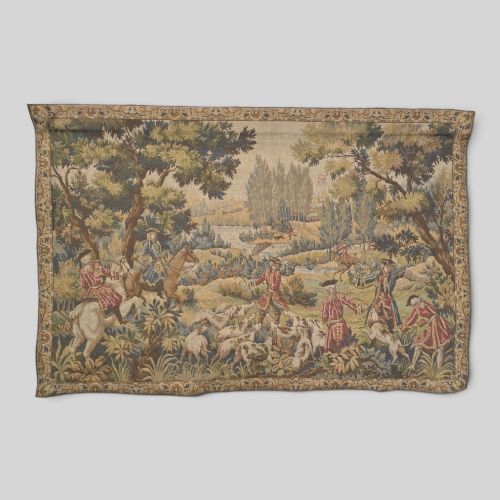
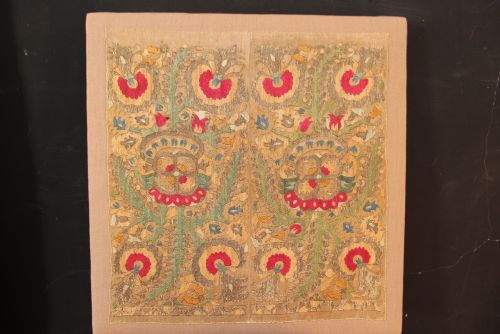
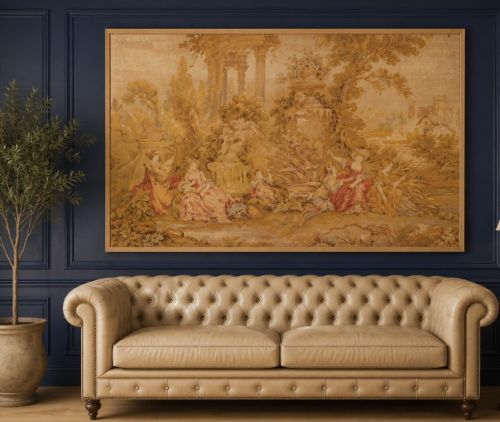
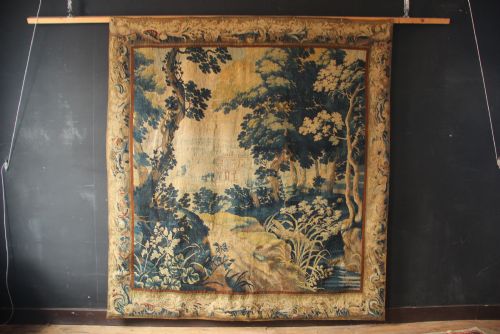
Buyers frequently meet Flemish and French woven tapestries, often depicting pastoral scenes or foliage, alongside English and Georgian needlework pictures. Greek island embroideries and woven silk panels also appear, offering varied regional techniques from the period.
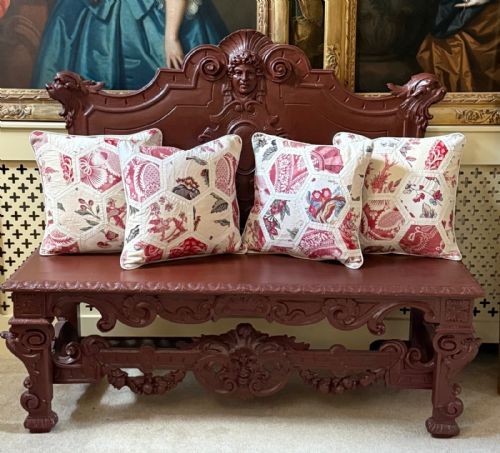
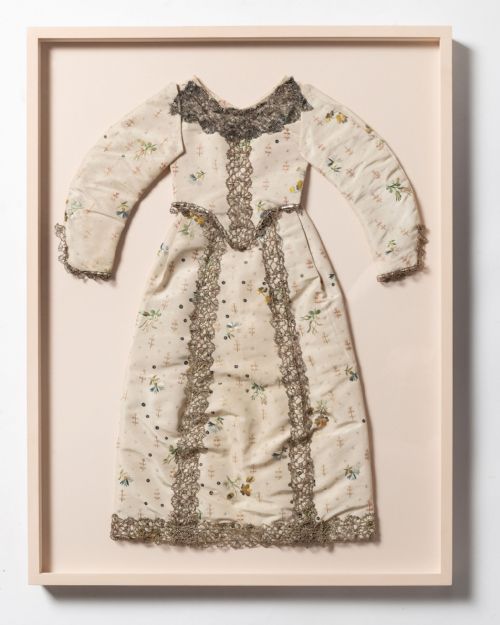
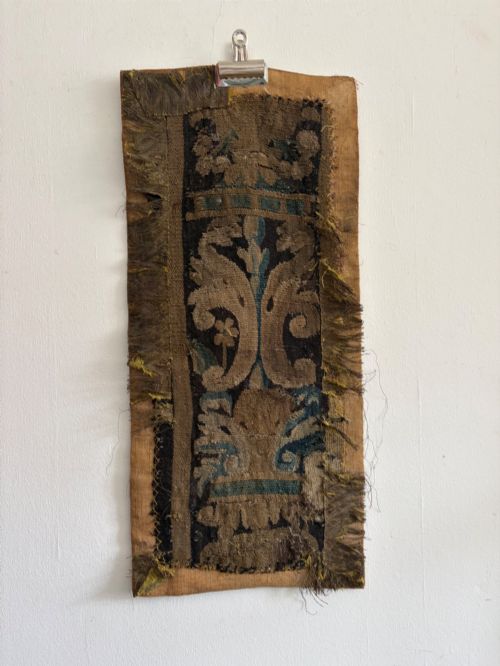
Many works arrive mounted or framed for modern display, while others retain their original functional context as cushions, bedsheet borders or textile fragments. The material survival ranges from robust wool wall hangings to fragile metal thread embroideries.
Materials and construction
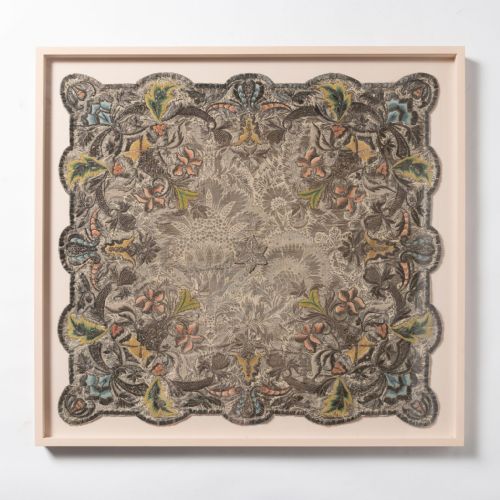
The construction of these works relies heavily on natural fibres, principally silk, wool and linen, often combined with metal thread embroidery. Artisans utilised specialised looms for woven lampas, velvet and tapestries, or applied hand needlework directly onto linen foundations.
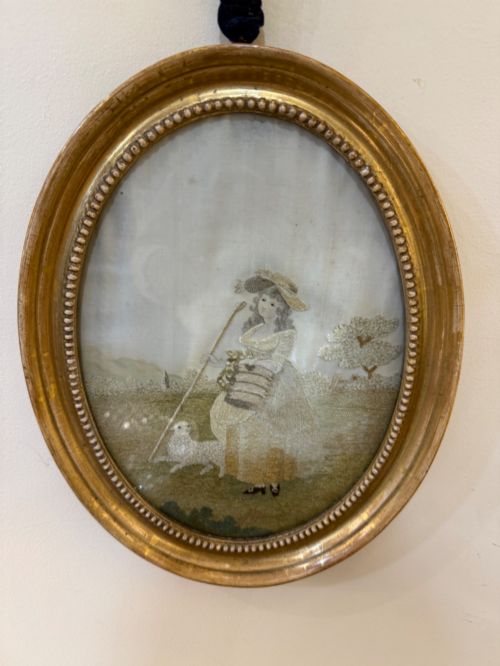
Tapestries employ wool and silk yarns woven in intricate verdure or figural compositions, whereas samplers and needlework pictures demonstrate meticulous stitchery using silk floss and wool yarns. Fragments are frequently mounted onto newer linen or framed for preservation.
18th Century Textile Retail Price Guide 2026
Typical asking prices for 18th century textile among the pieces listed under this phrase on Sellingantiques today, from the lower quarter to the upper quarter. They describe what is for sale here now, not the wider market.
Listings incorporate diverse regional origins including Flemish, French, English, Spanish and Greek island traditions.
Evaluating quality and condition
Quality in these textiles depends largely on the intricacy of the execution, the density of the weave and the preservation of the original dyestuffs. Superior pieces display complex pictorial detail, balanced composition and skilled handling of varied stitches or loom techniques.
The survival of material integrity distinguishes finer examples, as fading, fragment loss and old repairs inevitably affect textiles over centuries. Mounted panels and well-preserved verdure tapestries retain greater visual impact and structural coherence compared to heavily degraded fragments.
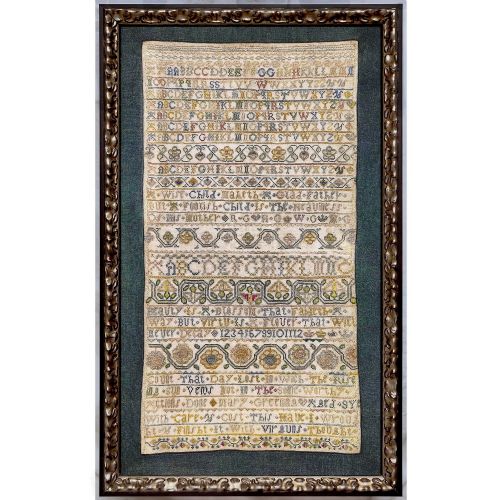
Mary Greening
The 18th Century Textile Glossary
- Verdure tapestry
- A wall hanging featuring a predominant design of plants, foliage and trees, frequently inhabited by birds or animals. These wool and silk panels were woven in centres such as Flanders and France.
- Sampler
- A piece of needlework produced to demonstrate and record a variety of stitches, patterns or alphabets. Georgian examples often include maps, moral verses or genealogical records.
- Lampas
- A complex woven textile technique featuring a pattern formed by supplementary weft threads against a ground weave. Bizarre lampas from this era displays asymmetric and exotic motifs.
- Ciséle velvet
- A patterned velvet created by cutting some pile loops while leaving others uncut to form contrasting textures. This luxurious fabric appears on decorative hangings and furnishings.
- Needlework picture
- An embroidered artwork executed with silk and wool threads on a canvas or linen ground, frequently framed for wall display. These works often depict pastoral or portrait subjects.
18th Century Textile: Frequently Asked Questions
How were large tapestries used originally?
Large tapestries served as functional wall hangings in substantial homes and public buildings, providing crucial insulation against damp stone walls during colder months. They also functioned as grand decorative statements to display wealth and taste.
Over time, many of these expansive textiles were divided into smaller fragments or panels to fit changing domestic interiors, which explains why contemporary buyers frequently encounter cropped borders or mounted sections.
What is the difference between a sampler and an embroidery picture?
A sampler originated as a working reference piece where makers practiced various stitches, alphabets and motifs, often signed and dated upon completion. They served as tangible demonstrations of skill and education.
An embroidery picture, conversely, was conceived from the outset as a finished pictorial artwork designed specifically for framing and display, depicting pastoral scenes, portraits or topographical maps.
How should antique textiles be displayed safely?
Displaying antique textiles requires careful management of environmental conditions, avoiding direct sunlight and excessive humidity which cause fibres and natural dyes to degrade. Framing under UV-protective glass or mounting securely onto supportive linen helps distribute weight evenly across fragile panels.
Heavy tapestries need professional hanging systems that spread the tension across the entire upper edge rather than pulling at isolated points, preventing structural distortion over time.