



18th Century Style Figure
These pieces offer the decorative presence of an 18th century style figure, bringing historic character and sculpted form to an interior.
18th Century Style Figure
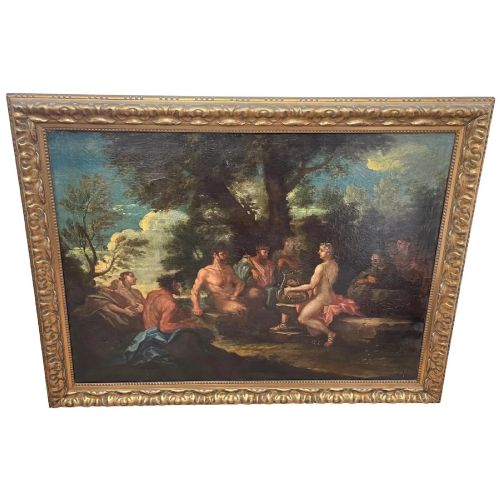
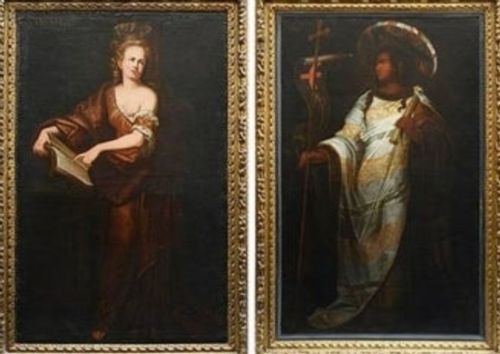
When buyers search for an 18th century style figure, they encounter carved wooden representations of monarchs, saints, and allegorical subjects alongside porcelain figurines created by European factories. The selections available span actual 18th-century porcelain and later revival pieces produced across the 19th and early 20th centuries.
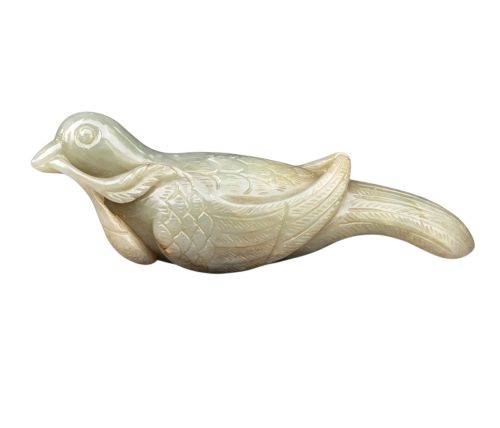
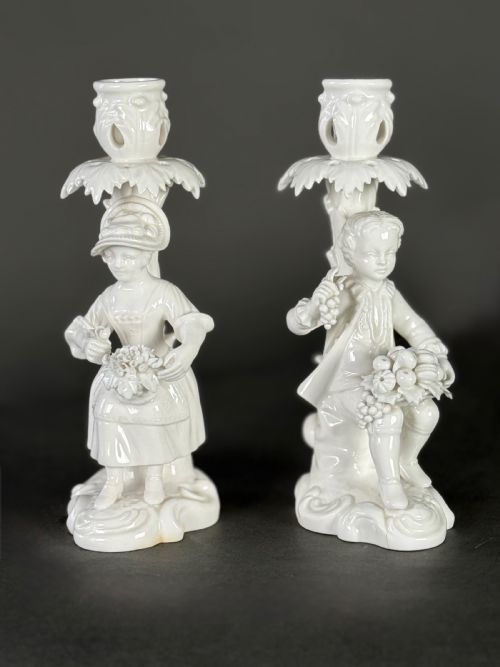
The category encompasses sculptural groups, blanc de chine candlesticks, and painted figures modelled in the Rococo and Neoclassical tastes. These works draw upon historical models from German, Italian, and English workshops, translating courtly aesthetics into three-dimensional ceramic and wood forms.
How they were made
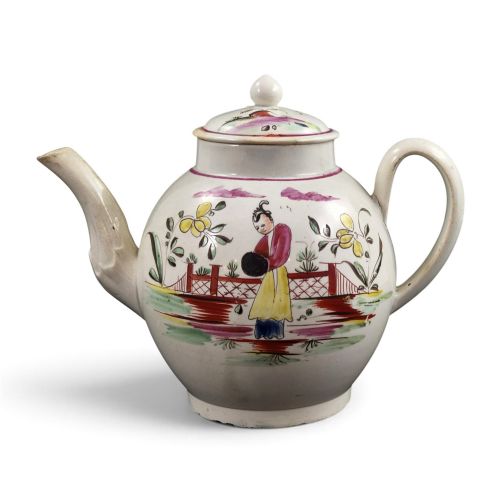
Porcelain examples utilise hard paste ceramic materials, shaped through moulding and finished with hand painting and gilded details. Early factories employed skilled modellers to create intricate groupings, sometimes incorporating applied lace techniques or delicate polychrome enamels.
Carved wooden statues rely on traditional timber craftsmanship, utilising native or imported woods shaped with chisels and gouges before receiving surface treatments. Bronze and brass alternatives employ metal casting methods, capturing fine detail in figurative bronzes and fire dogs.
Several figures hold peculiar items, including birds, hearts, and even musical instruments.
What varies in quality
The integrity of the material finish and the preservation of original polychrome or gilt surfaces distinguish finer factory productions and studio carvings from mass-produced decorative items.
Derby·Meissen·Ernst Bohne Söhne·Royal Capodimonte Factory
The 18th Century Style Figure Glossary
- Blanc de Chine
- A French term for white Chinese porcelain, later adopted by European potteries to describe unglazed or clear-glazed white ceramic figures. This finish highlights the sculptural contours of the modelled subject without distraction from colour.
- Hard Paste
- A true porcelain composed of kaolin and petuntse fired at high temperatures. It produces a durable, vitrified body capable of holding sharp details in figurative works.
- Rococo
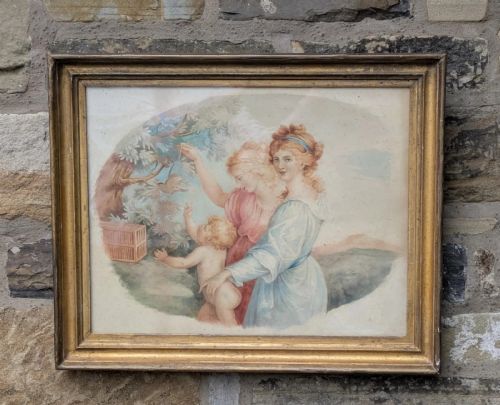
- An 18th-century style characterised by asymmetry, scrollwork, and organic motifs. Figures from this movement often feature swirling drapery and playful pastoral themes.
- Polychrome
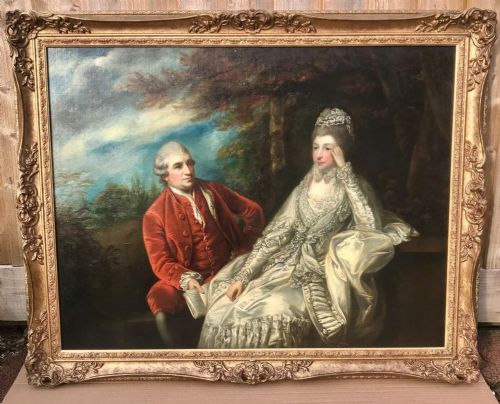
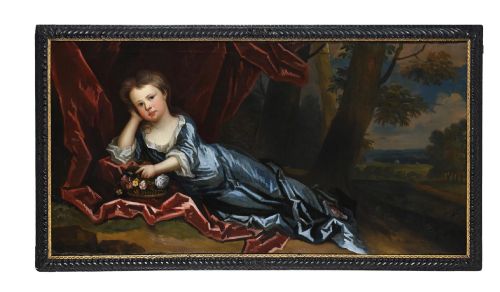
- Decoration utilising multiple distinct colours applied to ceramics, wood, or canvas. This technique brings realism and visual depth to painted figures and portraiture.
- Gilt
- A thin layer of gold applied to the surface of wood, metal, or porcelain. It enhances decorative elements and frames focal points on furniture and sculptural bases.
18th Century Style Figure: Frequently Asked Questions
How do I identify a true 18th century figure?
Examine the paste, glaze, and tool marks closely under magnification. Period pieces show characteristic wear and manufacturing traits specific to their historic kiln or workshop.
Compare the modelling against documented examples from known factories like Meissen or Derby to confirm stylistic consistency.
Where should I display porcelain figurines?
Place them in secure cabinets away from direct sunlight and heavy foot traffic. Stable humidity protects delicate painted surfaces and prevents accidental knocks.
Ensure adequate interior lighting to highlight the fine details of the glaze and modelling.
What is the difference between porcelain and wood figures?
Porcelain figures offer smooth glazed finishes and intricate hand-painted polychrome details produced in ceramic workshops. Wood carvings provide tactile grain textures and visible chisel work created by sculptors.
Each medium reflects different artisanal traditions popular during the Georgian era and subsequent revival periods.
How do I care for antique wooden statues?
Dust gently with a soft, dry brush and avoid liquid cleaners or harsh polishes. Maintain stable room temperatures to prevent the timber from splitting.
Consult a professional restorer if structural repairs or surface consolidation become necessary.