


18th Century Sofa
An 18th century sofa brings monumental presence to a room, offering deep timber frames and period upholstery that anchor a grand interior.
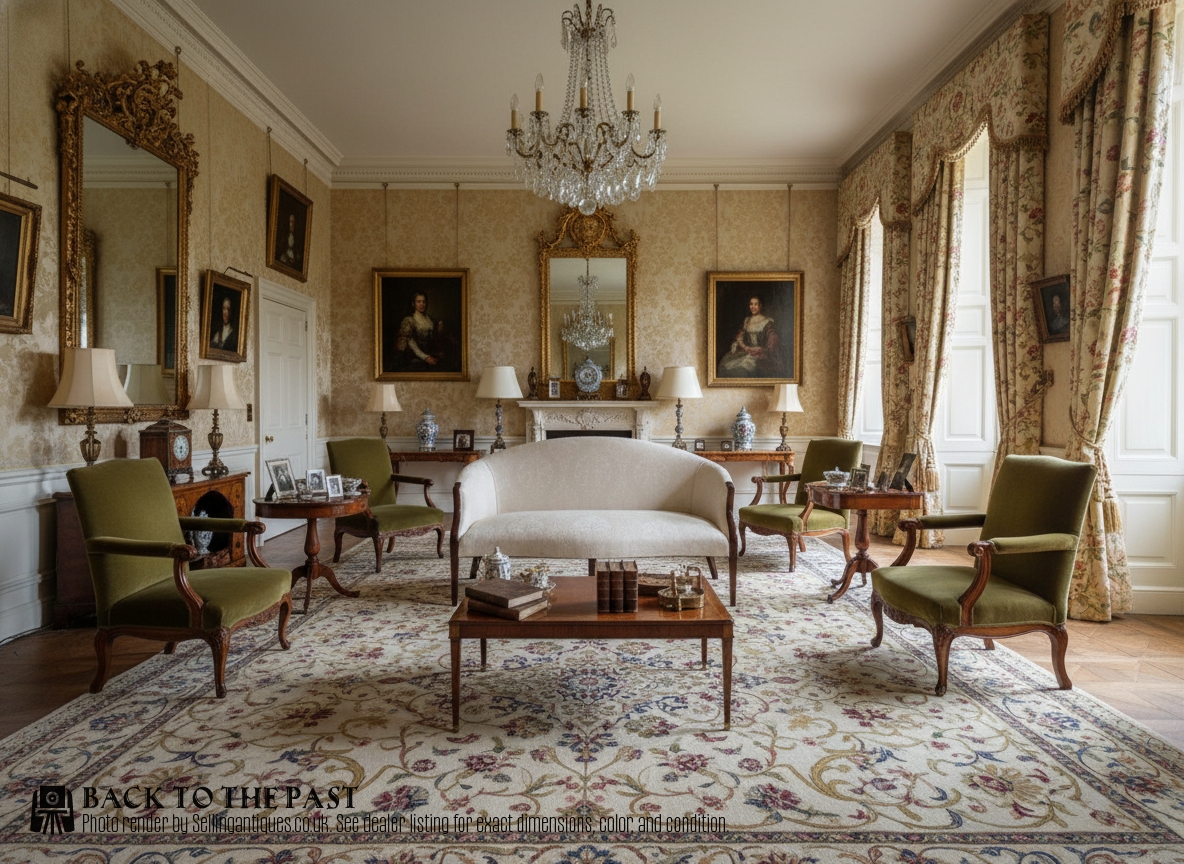
An 18th century sofa
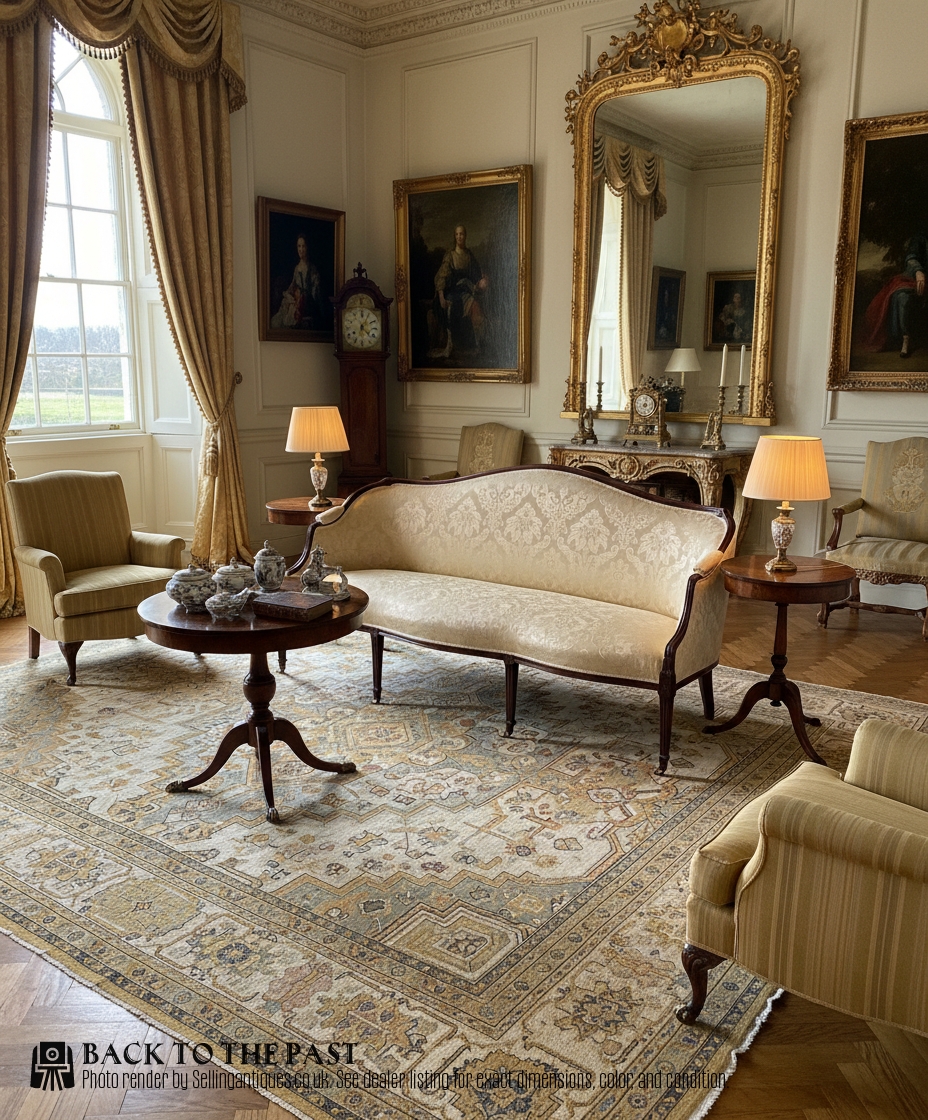
When searching for an 18th century sofa, collectors encounter substantial seating fashioned from timbers such as mahogany, walnut, oak, and painted wood. The pieces span English Georgian designs alongside Italian Rococo and Neoclassical creations.
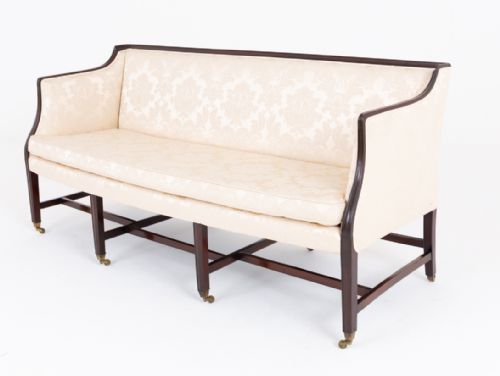
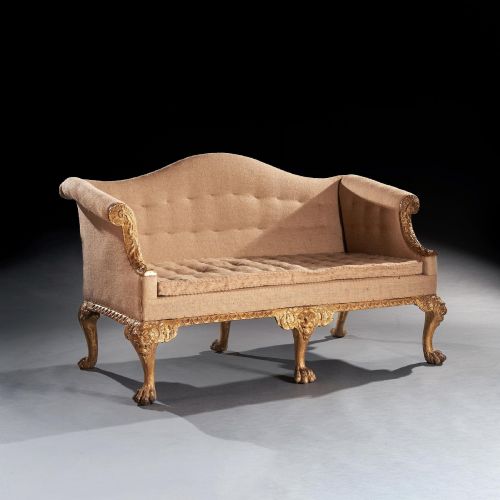
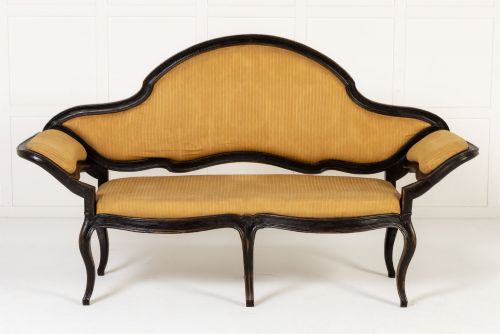
The most common formats on this page include George III mahogany pieces, serpentine front camel back sofas, and carved Italian settees. English examples frequently display Hepplewhite or Chippendale influences, while continental pieces showcase gilt finishes and original paint.
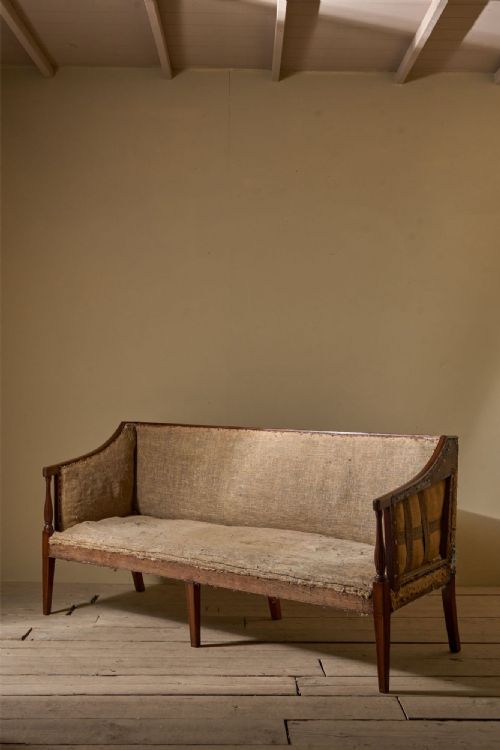
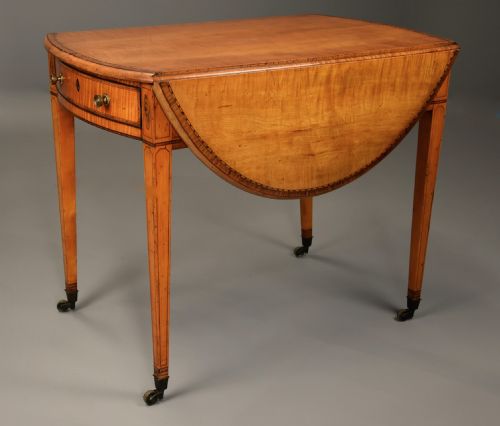
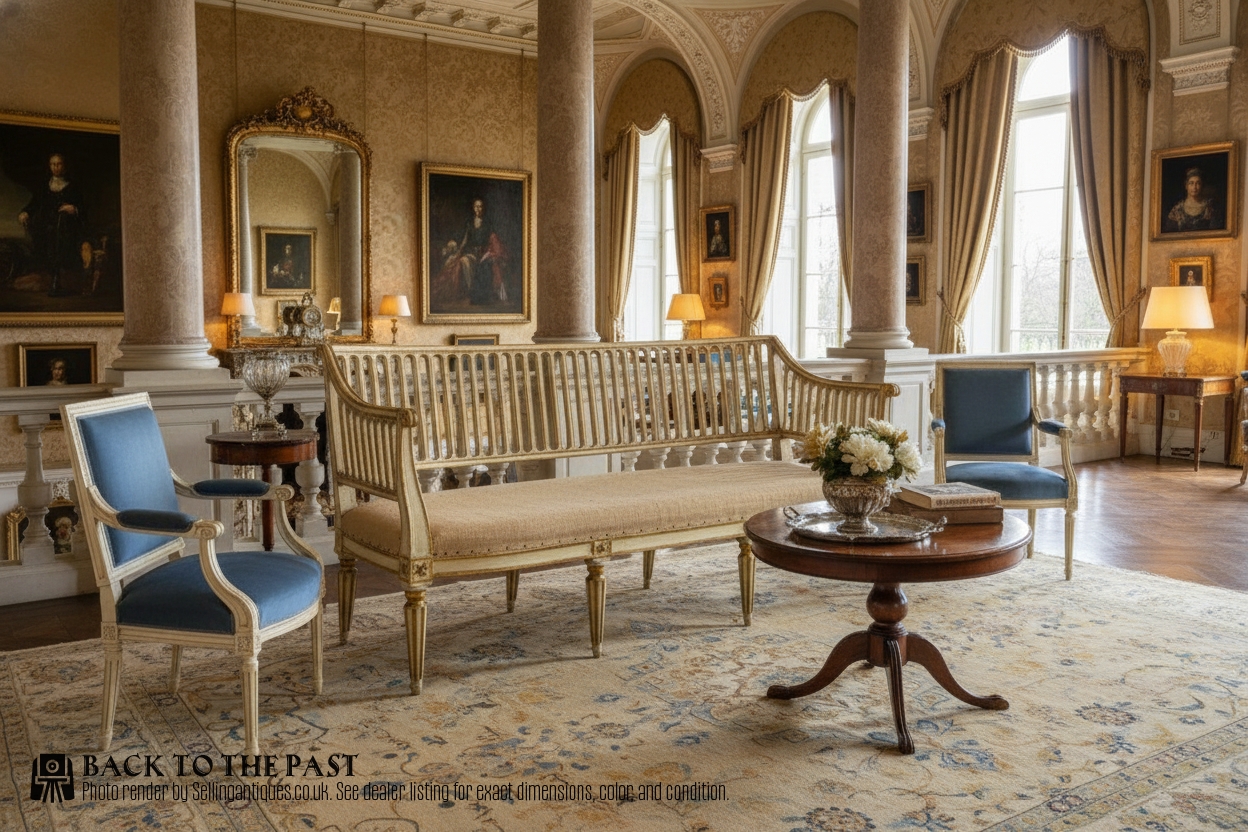
Makers and workshops across Britain, France, and Italy produced these larger scale items for principal reception rooms. Surviving examples range from walnut frames to satinwood designs and pieces upholstered in damask, linen, and vintage hemp.
Distinctions in quality
The hierarchy of quality rests upon the sophistication of the timber carving and the integrity of the original frame structure. Pieces retaining surface elements like original paint or early gilding command greater attention than altered examples.
Proportion and scale separate standard regional seating from monumental salon pieces. The finesse of carved details on mahogany arm supports or walnut legs demonstrates the workshop standard at the time of manufacture.
Retail Price Guide 2026
Typical UK retail prices for 18th century sofa, calculated from the Sellingantiques database of over a million retail prices indexed since 2003. This retail price guide relies exclusively on Sellingantiques data; no external sources or auction records are used, so the figures do not describe the wider market.
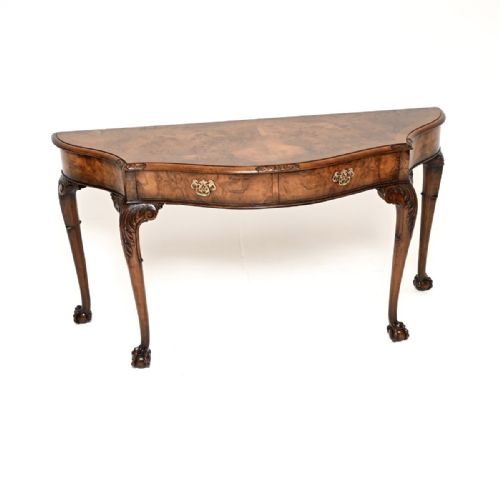
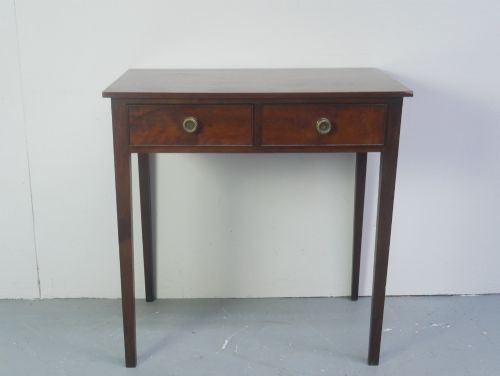
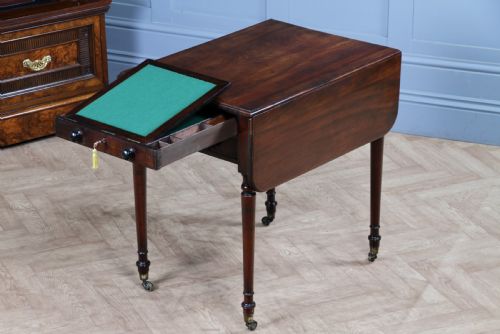
At least one listing includes an oak lowboy that somehow acquired a multi-purpose identity as a lamp and dressing sofa table.
George III·Hepplewhite·Chippendale
The 18th Century Sofa Glossary
- Camel back
- A serpentine shaped upholstery crest rail resembling the humps of a camel, popular on English mahogany frames.
- Giltwood
- Timber treated with a thin layer of gold leaf, frequently seen on Italian and French decorative seating.
- Hepplewhite
- A neoclassical furniture style characterised by elegant proportions, shield backs, and tapered legs.
- Settee
- A medium to large wooden seat with upholstered back and arms, designed to accommodate multiple sitters.
- Lowboy
- A small oak or mahogany side table with drawers, occasionally grouped in listings alongside hall and sofa furniture.
Frequently Asked Questions
What woods were used?
Makers utilised dense hardwoods including mahogany, walnut, and oak for structural stability.
Surface treatments on continental pieces frequently involved painted wood and gilt applications.
How are periods identified?
Stylistic markers such as George III proportions, Neoclassical motifs, and Italian Rococo carving help date the timber frames.
Construction methods and primary materials like satinwood or walnut further indicate the era of manufacture.
Where did they originate?
Surviving examples originate primarily from workshops across England, France, and Italy.
English pieces often reflect regional cabinet maker designs, while Italian items showcase painted and gilded finishes.
What fabrics cover them?
Upholstery materials recorded in the archive include damask, silk, linen, and vintage hemp.
Internal support layers commonly incorporate Hessian cloth beneath the primary textile finish.