


18th Century Silver Server
An 18th century silver server brings heavy sterling silver and Old Sheffield plate to the table, offering functional elegance for modern dining.
18th Century Silver Server
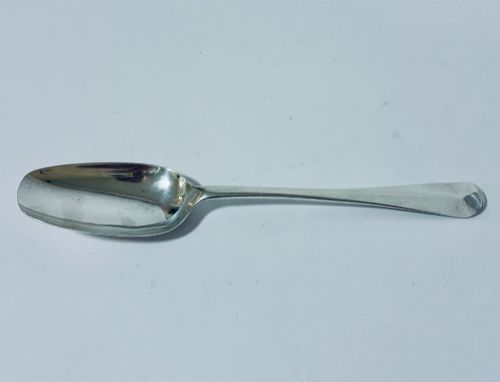
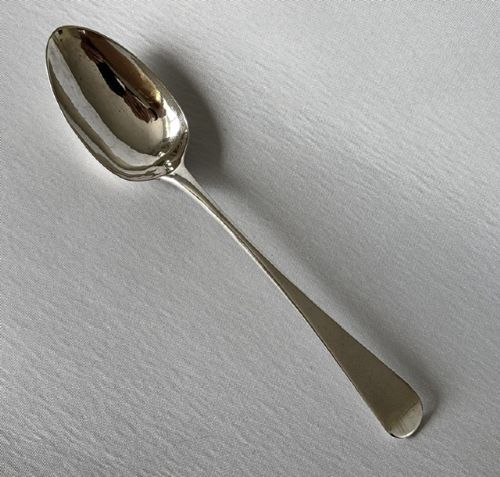
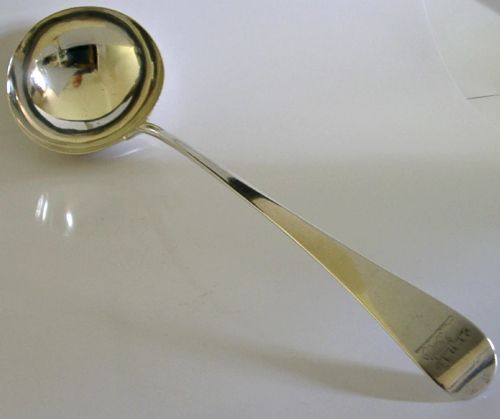
When searching for an 18th century silver server, collectors encounter a diverse group of utilitarian items spanning coffee pots, fish slices, soup ladles, and serving spoons. These pieces originated during the Georgian era, reflecting domestic rituals around dining, tea, and coffee consumption in grand households.
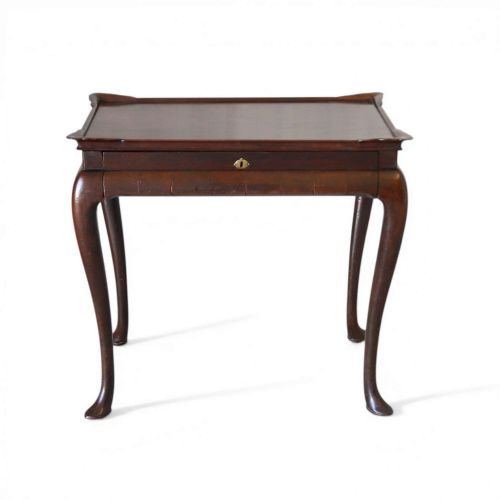
The objects on this page most frequently appear as silver tablespoons, toddy ladles, and serving tongs, alongside substantial Old Sheffield plated coffee pots and occasional silver tables. Makers from London, Newcastle, and Paris shaped these utensils to perform specific roles, from piercing fruit to ladling punch.
Materials extend beyond pure sterling silver to include Old Sheffield plate, copper, brass, and even hardwoods like Cuban mahogany and coququilla nut. Each form tells a story of 18th-century craftsmanship, uniting utility with decorative artistry that has survived centuries of domestic use.
Materials and Techniques
Silversmiths utilised sterling silver and high-purity continental silver, hammering and casting metal into robust forms like soup ladles, fish slices, and mustard pots. Piercing techniques created intricate lattice patterns on fruit spoons and cake servers, balancing structural strength with delicate visual appeal.
Makers of Old Sheffield plate fused thin layers of silver onto a copper core, producing large coffee jugs and pots that offered the brilliance of solid silver at a different scale. Cabinetmakers constructed accompanying silver tables from Cuban mahogany, integrating timber with metal hardware for serving displays.
Some toddy ladles incorporate historic coins right into the base of the bowl, allowing guests to toast George II while drinking punch.
Distinguishing Quality
Condition is defined by the preservation of original crests, the integrity of Old Sheffield plating over copper cores, and the retention of natural surface patination. Items that maintain their original structural form without excessive polishing demonstrate the highest tier of period craftsmanship.
Peter and Jonathan Bateman·Hester Bateman·James Tookey·Wilkes Booth·Robert Hennell I·Thomas Daniell·Jabez Daniell
The 18th Century Silver Server Glossary
- Old Sheffield Plate
- A composite material made by fusing a sheet of silver to a thicker copper base. This technique preceded electroplating and produced durable serving vessels.
- Hallmark
- An official stamp applied to precious metals indicating the standard of purity, the assay office, and the year of manufacture. These marks help identify specific silversmiths.
- Fish Slice
- A flat, often pierced serving utensil designed for presenting fish at the dining table. They frequently feature ornate blade engraving and cast handles.
- Toddy Ladle
- A small ladle utilised for serving warm alcoholic drinks such as toddy or punch. Bowls often incorporate coins, twisted whalebone, or turned wooden handles.
- Cast Silver
- Molten silver poured into a mould to create three-dimensional decorative elements. This method provided greater weight and sculptural depth than sheet metal work.
18th Century Silver Server: Frequently Asked Questions
How were Old Sheffield plated pots made?
Old Sheffield plate was created by fusing a thin layer of silver onto a thicker copper base under high heat.
This composite material allowed makers to produce large coffee pots and jugs that looked like solid silver but utilised less precious metal.
How do I identify a Georgian silver ladle?
Georgian silver ladles feature hallmarks stamped into the metal, revealing the maker's mark, assay office, and date letter.
They often include deep bowls for soup or toddy, sometimes paired with twisted whalebone or turned wooden handles.
Can I use antique silver servers daily?
Antique silver and Old Sheffield plate servers can be used for special occasions with careful handling and gentle washing.
Hand washing with mild soap protects the antique metal and preserves any remaining plating or delicate hand-pierced details.