






Engraved Sterling Silver Server
An engraved sterling silver server brings functional elegance to the table, and these period pieces offer exceptional craftsmanship for modern dining.
Engraved Sterling Silver Server
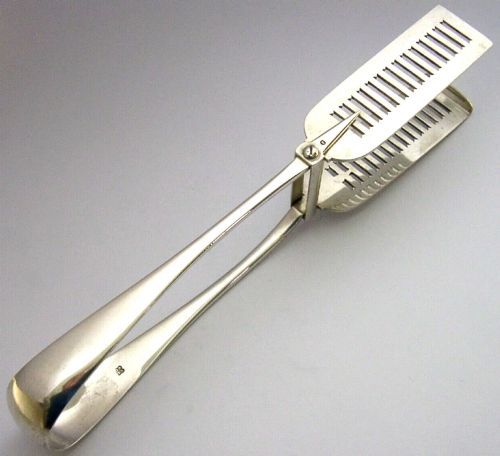
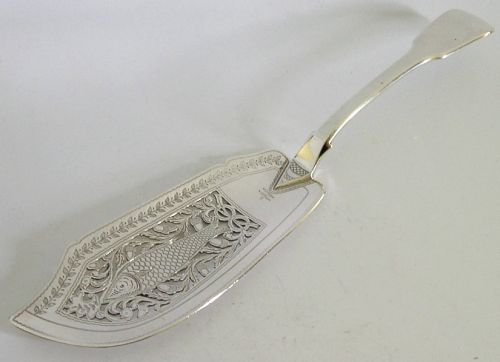
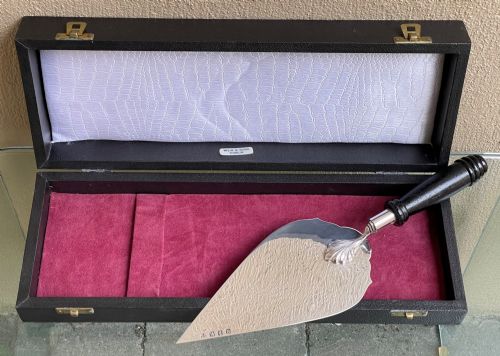
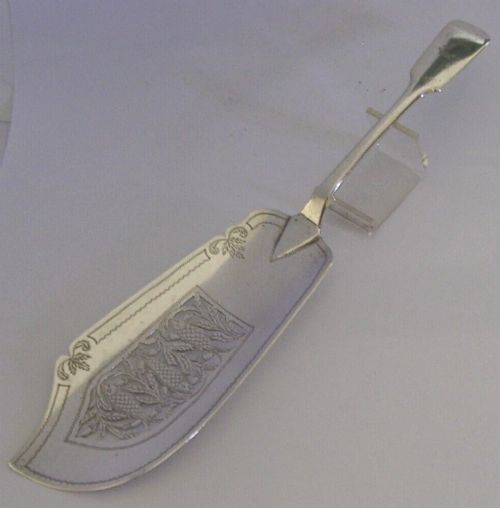
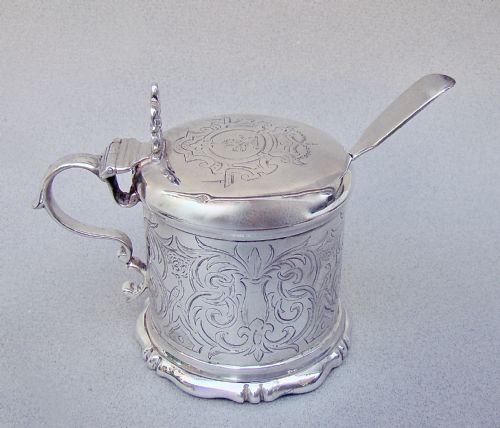
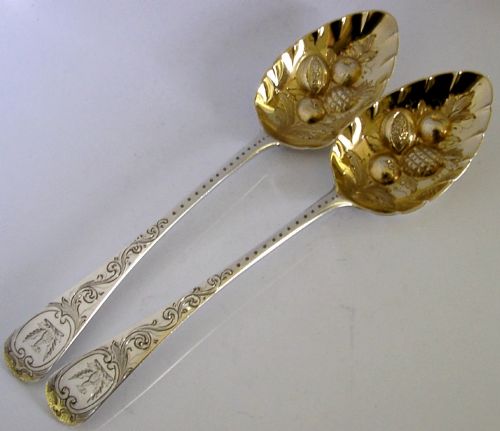
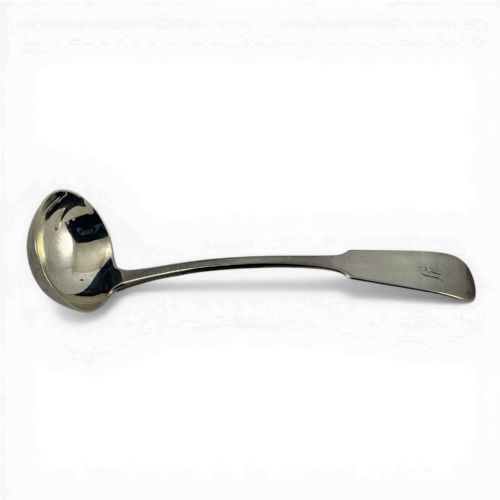
When searching for an engraved sterling silver server, buyers encounter a variety of dining implements spanning the Georgian and Victorian eras. The selection frequently includes fish slices, salad servers, pastry trowels, and serving tongs fashioned from solid silver.
Most pieces date from the late eighteenth century through the late nineteenth century, reflecting stylistic shifts from George III designs through Victorian Rococo Revival. These utensils were created for formal dining, often featuring hand-engraved crests or pierced blades designed to drain or present food gracefully.
Materials and construction
Makers utilised solid sterling silver alongside supplementary materials such as steel for blades, wood for handles, and occasionally mother of pearl, ebony, or velvet lining within fitted presentation cases. Blades were frequently pierced by hand, creating intricate geometric or floral patterns.
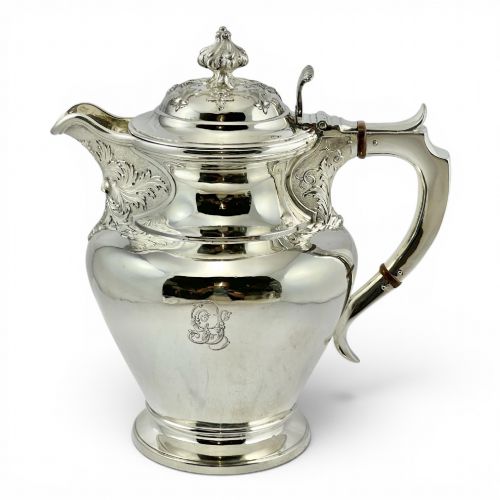
Silversmiths employed techniques such as casting and heavy engraving to decorate the handles and bowls. Family crests and armorial bearings were meticulously hand-engraved onto the silver surface, marking the status of the original owners.
Listings feature sterling silver servers spanning the Georgian and Victorian periods, incorporating materials such as steel, wood, and mother of pearl.
Judging quality
The standard of a silver server depends upon the crispness of the hand-engraving and the structural integrity of the pierced work. Crisp, deep engraving that retains sharp edges indicates skilled execution by the silversmith.
Weight and balance also distinguish finer examples from standard production, as heavier gauge silver provides durability and a substantial feel in the hand. The clarity of the hallmarks stamped into the metal confirms the origin and silver standard.
S C Younge & Co·Charles & George Fox·William Ferguson·James Tookey·R Grey·Wilkes Booth·Robert Hennell I·Martin Hall & Co·Thomas Daniell·William Bennett·Charles Boyton
The Engraved Sterling Silver Server Glossary
- Hallmark
- A series of official marks stamped on precious metals certifying the purity, maker, and year of manufacture. These symbols provide the definitive history of each piece.
- Fish slice
- A wide, flat serving utensil specifically shaped for lifting and serving fish at the table. Many examples feature ornate piercing and engraved decorative motifs.
- Piercing
- The technique of cutting away sections of metal to create openwork patterns on spoons, slices, and mustard pots. This method lightens the utensil while adding visual ornamentation.
- Crest
- An engraved heraldic design representing a family lineage, frequently found on silver handles and serving tongs. It personalises the implement for the original household.
Engraved Sterling Silver Server: Frequently Asked Questions
How do I clean an antique silver server?
Clean the silver using a soft cloth and a specialised silver polish designed to remove tarnish without scratching the engraved details. Avoid harsh chemical dips that can strip the dark accentuation from hand-engraved lines.
Store the utensil in a dry environment, preferably wrapped in anti-tarnish cloth or housed within its original fitted case to minimise exposure to air.
Can I use these servers for everyday dining?
Solid sterling silver servers are robust enough for regular use, provided they are hand-washed promptly after meals. Care should be taken with thin pierced blades or items featuring delicate wooden handles.
Hand washing prevents the pitting and dullness often caused by automated dishwashers, preserving the polish and structural integrity of the antique metal.
What does a family crest on a server indicate?
A family crest indicates that the piece was custom-ordered or commissioned for a specific household, often marking a marriage, inheritance, or milestone. These hand-engraved armorial bearings add historical context and provenance to the object.
Researchers can sometimes trace the original lineage by matching the crest and the silversmith's hallmarks to historical records.
How do I date a Georgian silver server?
Dating relies primarily on the assay office marks, date letters, and maker's stamps struck directly onto the sterling silver. Comparing these hallmarks against published silversmith registries reveals the exact year of manufacture.
Stylistic cues, such as the fiddle pattern shape or specific floral engraving styles, further corroborate the period of origin.