




18th Century Silver Candlesticks
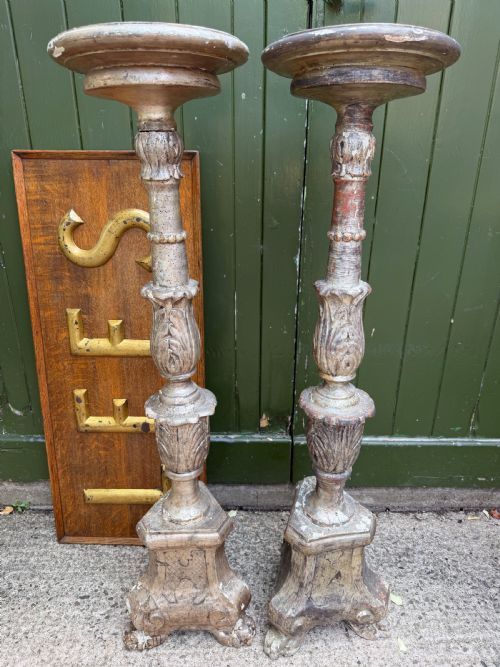
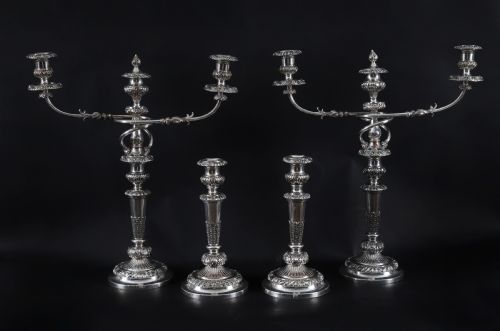
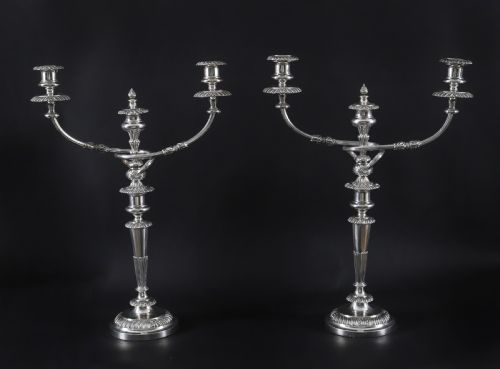
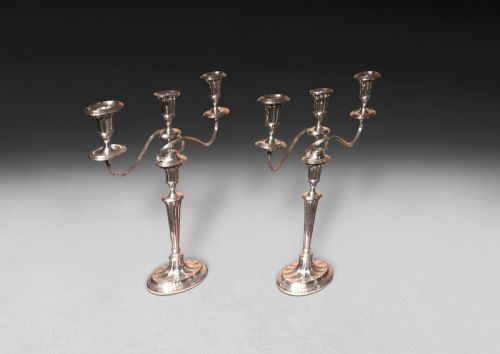
These 18th century silver candlesticks bring genuine Georgian form and period illumination into a room, offering the solid weight of sterling silver or early plated copper.
What 18th Century Silver Candlesticks Are
Buyers seeking 18th century silver candlesticks encounter pairs shaped by Georgian and Neoclassical design influences, dating from mid-century makers like John Cafe to the later decades of the seventeen-seventies. These items include solid sterling silver pieces alongside early Old Sheffield plate examples.
The dominant survival on this page is the matched pair, designed to sit symmetrically on a dining table or mantelpiece. They reflect the domestic habits of the period, providing functional lighting through cast and shaped metal.
How They Were Made
Makers utilised sterling silver and copper, applying techniques that combined casting and plating. Old Sheffield plate involved fusing a thin layer of silver onto a heavier copper base, a method developed to give the appearance of solid metal at a lower cost.
Solid sterling examples relied on metal cast in sections and soldered together, often weighted internally with resin or pitch to provide stability. Surface detailing was then finished by hand through chasing and engraving.
John Cafe marked his lighting wares so clearly that his stamped initials still tell us whose hands shaped the wax.
What Varies in Quality
Quality separates simple production from masterwork craftsmanship through the crispness of the cast ornamentation and the integrity of the underlying metal. Pieces bearing clear makers' marks and hallmarks demonstrate authenticated origin.
The preservation of the original plating on copper examples distinguishes superior survivals from those showing heavy wear. Solid sterling pieces reveal distinction through the thickness of the metal and the precision of the joinery.
John Cafe
The 18th Century Silver Candlesticks Glossary
- Old Sheffield Plate
- A composite material formed by fusing silver to a copper core, characteristic of late eighteenth-century manufacturing. This technique preceded modern electroplating.
- Sterling Silver
- A silver alloy containing ninety-two point five percent pure silver by weight, used for solid luxury tableware and lighting. It provides the heavy feel expected in Georgian metalwork.
- Georgian
- The design period spanning the reigns of the first four Georges, encompassing the mid to late eighteenth century. It covers the shift from Rococo curves to Neoclassical symmetry.
- Neoclassical
- A style drawing inspiration from classical antiquity, featuring straight lines, urn motifs and classical columns. It became dominant in decorative arts during the latter half of the eighteenth century.
Frequently Asked Questions
Are these candlesticks made of solid silver?
The materials vary between solid sterling silver and Old Sheffield plate over a copper base. Listings specify the exact metal composition for each pair.
Solid pieces contain silver throughout, while plated examples utilise a copper core beneath a bonded silver surface.
How do I date an eighteenth-century candlestick?
Dating relies on stylistic shifts from mid-century Georgian forms to later Neoclassical designs, alongside any visible hallmarks. Makers' marks and assay office stamps provide specific chronological markers.
Construction methods also help determine age, as manufacturing techniques evolved significantly between seventeen-fifty and seventeen-eighty.
Can I use these candlesticks for daily lighting?
These historical items function well with standard taper candles, though care is needed to protect the metal and any surface plating. Using drip protectors prevents wax from contacting the antique surface.
Many collectors prefer to use them intermittently to preserve the finish and structural integrity of the metal.
Why are pairs more common than single candlesticks?
Lighting in eighteenth-century rooms was designed around symmetry, requiring matched pairs to balance mantelpieces and dining tables. Makers produced them together to ensure identical weight and decorative detail.
Surviving pairs retain their original matched appearance, which is preferred by collectors.