



18th Century Silver Caddy
An 18th century silver caddy brings genuine Georgian craftsmanship to the tea table, offering solid sterling silver containers and spoons designed for precious leaves.
Defining the 18th Century Silver Caddy
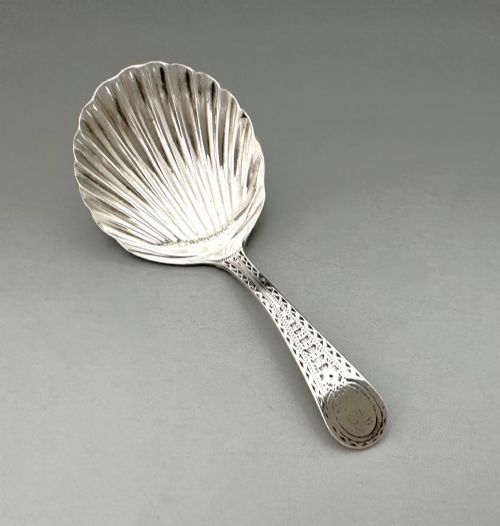
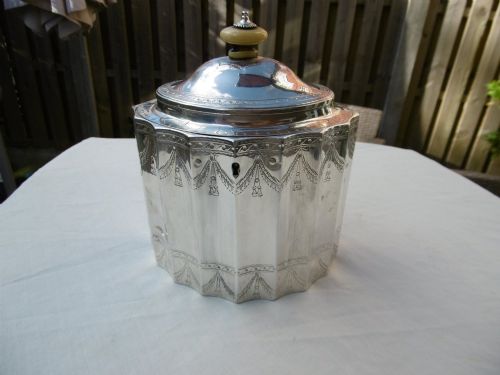
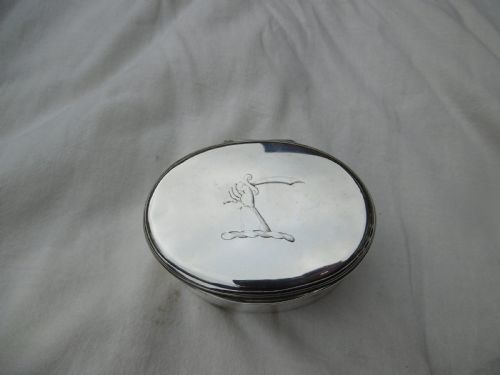
An 18th century silver caddy encompasses both the substantial tea canisters used for storage and the delicate spoons created to dispense the dry leaves from the main container. These pieces originate from the Georgian period, specifically spanning the reign of George III and featuring solid sterling silver construction.
Buyers encountering this search phrase will frequently find related small serving implements alongside the main vessels, including bright cut spoons, leaf designs, and shell bowl examples. The items recorded across current listings and past archives uniformly reflect the prevailing Georgian aesthetic of the eighteenth century.
The primary forms include tea caddies and dedicated caddy spoons fashioned in London and Sheffield assay offices. Each object represents the domestic rituals surrounding tea consumption during a period when the commodity was heavily taxed and securely stored.
Judging Quality and Execution
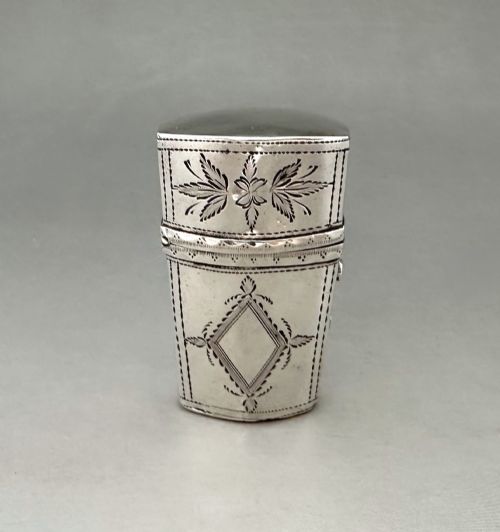
Quality in an 18th century silver caddy rests upon the crispness of the hand engraving and the structural integrity of the metal. Finer examples display deep, sharp bright cutting that remains unsoftened by generations of polishing.
The weight and balance of the silver determine the tactile appeal of both the larger storage vessels and the smaller spoons. Superior craftsmanship shows in the seamless integration of decorative handles, such as the Onslow pattern, with the functional bowl of the spoon.
The 18th Century Silver Caddy Glossary
- Sterling silver
- A silver alloy containing 92.5 percent pure silver and 7.5 percent other metals, usually copper, ensuring durability for domestic tablewares. This standard has governed British silver production for centuries.
- Georgian
- Pertaining to the period of the British monarchy covering the reigns of the first four Georges from 1714 to 1830. This era encompasses the specific George III pieces found in the inventory.
- Bright cut
- An engraving technique utilising faceted cuts made with a flat graving tool to create shimmering, geometric patterns. It gained immense popularity on small silver items in the late eighteenth century.
- Assay office
- A statutory body charged with testing the purity of precious metal items and stamping them with hallmark symbols. London and Sheffield are prominent examples represented in these silver holdings.
- Silver gilt
- Sterling silver that has been coated with a thin layer of gold on its surface, often applied to the interior bowls of spoons. This treatment protected the silver from corrosion by acidic substances.
Frequently Asked Questions
How were caddy spoons used?
Caddy spoons were specifically designed to scoop dry tea leaves from the caddy into the teapot.
Their shallow bowls and decorative handles made them functional yet elegant accessories for the tea table routine.
How do I identify a Georgian silver piece?
Georgian silver pieces are identified through their stylistic characteristics and official hallmarks stamped by assay offices such as London or Sheffield.
These marks indicate the year of manufacture, the standard of the metal, and the authority that tested the item.
What styles are common in these silver items?
Common styles include bright cut engraving, Onslow patterns, and naturalistic motifs like leaf and shell designs.
Silversmiths applied these decorative treatments by hand to enhance the visual appeal of the functional items.