





18th Century Silk Picture
An 18th century silk picture brings delicate needlework and pastoral charm into a room, offering a tangible link to Georgian craftsmanship.
18th Century Silk Picture
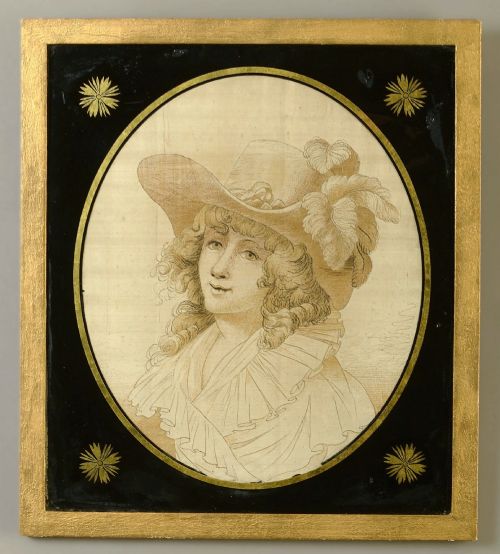
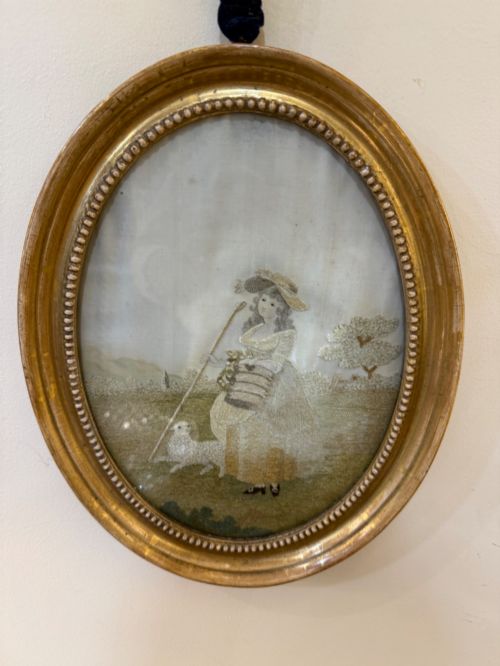
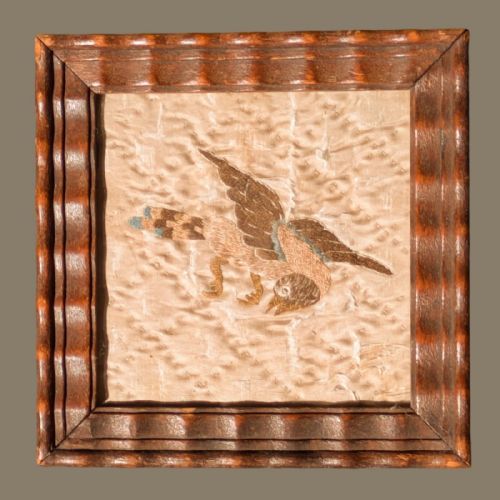
An 18th century silk picture is a textile artwork created through embroidery or weaving, often depicting portraits, pastoral scenes, religious subjects, or birds. These works capture the domestic artistry and visual culture of the Georgian era.
The pieces on this page span the 18th century, the Georgian period, and into the 19th century, featuring English and Italian origins. Forms range from samplers and needlework pictures to framed textile artwork.
Buyers will most frequently encounter framed needlework pictures and embroideries housed in period settings like giltwood or water gilded frames. These works often combine silk floss with wool and linen to build texture and depth.
Materials and construction
These works rely on silk floss, wool, and linen as primary textile elements, stitched onto a foundational fabric support. Artisans utilised varied embroidery stitches to render fine details in portraits, foliage, and garments.
Framing is an integral part of the survival of these textiles, utilising wood, giltwood, and gold leaf. Many pieces are preserved behind glass within octagonal or oval frames that protect the delicate threads from environmental damage.
18th Century Silk Picture Retail Price Guide 2026
Typical asking prices for 18th century silk picture among the pieces listed under this phrase on Sellingantiques today, from the lower quarter to the upper quarter. They describe what is for sale here now, not the wider market.
Listings feature items from the 18th century, the Georgian period, and 1800, alongside 19th century examples.
Assessing quality and preservation
Quality rests upon the intricacy of the needlework and the fidelity of the composition, whether rendering a human portrait or a pastoral farming landscape. Finer pieces demonstrate precise control of silk thread to create shading and expression.
The condition of the textile and the original frame dictate the standing of a piece. Intact silk floss, minimal fading, and period giltwood or water gilded frames elevate the overall integrity of the artwork.
The 18th Century Silk Picture Glossary
- Silk floss
- Unspun silk fibres used for embroidery, providing a glossy and smooth finish to stitched details. It allows for subtle colour blending in pictorial needlework.
- Giltwood
- Wood carved and coated with gold leaf or a gold-coloured preparation. It frequently frames Georgian artwork to add reflective warmth.
- Sampler
- A piece of cloth featuring rows of various embroidery stitches and alphabets, often worked by young makers. They demonstrate technical proficiency in needlecraft.
- Needlework picture
- A pictorial composition executed with a needle and thread on a fabric ground. These function as textile paintings depicting scenes or figures.
- Water gilded
- A traditional framing technique using liquid gesso and gold leaf applied to wood. This method produces a brilliant, burnished surface.
18th Century Silk Picture: Frequently Asked Questions
How should I hang an 18th century silk picture?
Keep textile artworks away from direct sunlight to prevent the silk threads and natural dyes from fading over time. Stable room temperatures and protection behind glass help preserve the fabric.
Ensure the antique frame is securely hung using appropriate fixings suited to the weight of the wood and glass. Avoid damp environments that might encourage mildew on the linen and wool components.
What subjects do these silk pictures show?
The subjects range from portraits of fashionable young ladies and religious scenes to pastoral farming views and bird embroidery. Domestic and agricultural themes were popular in Georgian needlework.
Samplers also appear, recording alphabets and familial details alongside decorative motifs. Each subject reflects the domestic education and artistic pursuits of the period.
Are these pictures always framed in wood?
Most surviving examples are housed in period frames made of wood, giltwood, or water gilded surrounds. These frames often feature octagonal or oval shapes suited to the composition.
Glass fronts protect the delicate silk embroidery from dust and handling. The frames themselves often date from the same period as the textile inside.
How do I tell an 18th century piece from a later one?
Examine the materials used in the textile, such as hand-spun silk floss, linen grounds, and wool threads. The style of dress and composition in portraits often align with Georgian fashions.
Frame construction and the ageing of the giltwood or wood also provide clues to the age of the piece. Archival details or inscriptions on samplers can further confirm the date of creation.